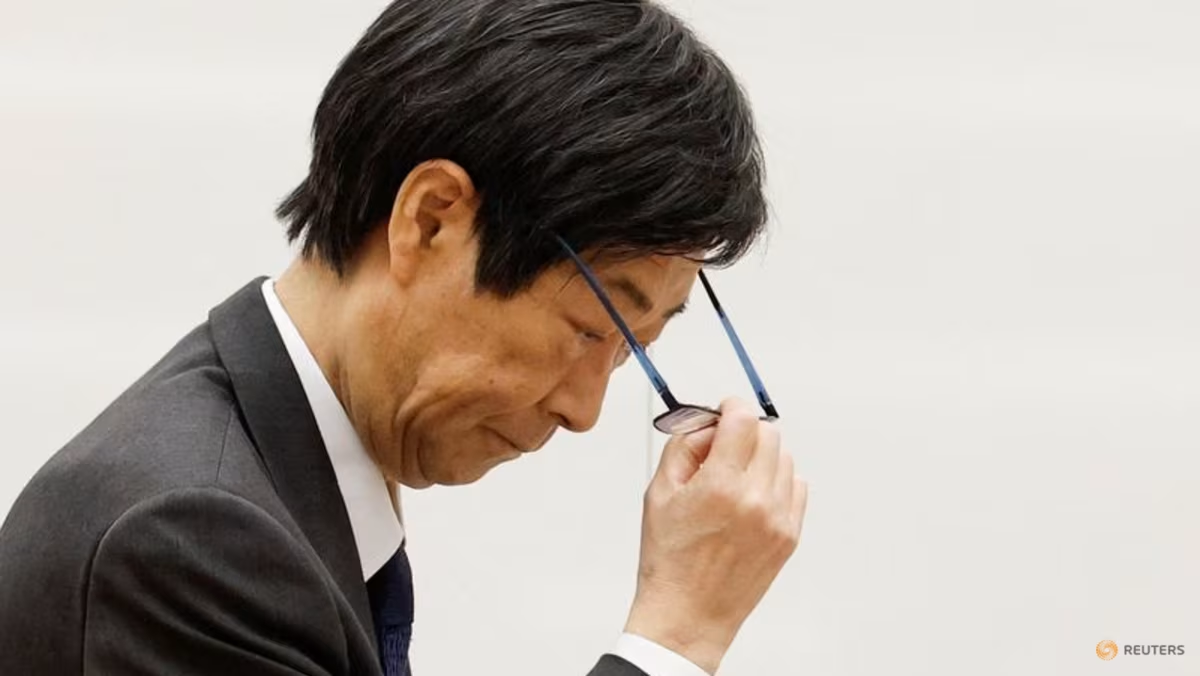
东京,10月5日:日本央行副行长内田真一表示,全球AI热潮可能通过刺激需求和推高资产价格而缓和了金融环境,但警告如果预期利润未能实现,存在市场回调的风险。
TOKYO, Oct 5 : Bank of Japan Deputy Governor Shinichi Uchida said the global AI boom may have eased financial conditions by stoking demand and boosting asset prices, but warned of the risk of a market pullback if expected profits fail to materialize.
内田在周一发布在央行网站上的演讲稿中就全球AI采用表示:"这是一个巨大的正向需求冲击,给经济和物价带来了上行压力。"
"It is a big positive demand shock, which has put upward pressure on the economy and prices," Uchida said on worldwide AI adoption in the text of a speech on the central bank's website on Monday.
他表示,该技术还可能提高生产率并增强资本存量积累,进而可能影响一国的自然利率。
The technology could also raise productivity and enhance capital stock accumulation, which in turn might affect a country's natural rate of interest, he said.
内田表示:"暂时来看,需求侧似乎先行一步,总体上使金融环境更加宽松。" "但如果利润跟不上,存在修正风险。"
"Tentatively, it appears the demand side has come first and made financial conditions more accommodative on balance," Uchida said.
内田表示,虽然AI推高了股价并使金融环境更加宽松,但AI相关企业的大量债券发行给长期利率带来了上行压力。
"But there is a risk of correction if profits do not follow." While AI has boosted stock prices and made financial conditions easier, huge bond issuance by AI-related firms has put upward pressure on long-term interest rates, Uchida said.
他表示,日本央行将继续仔细研究经济和金融数据,以确定AI影响的"一致图景",并补充称,AI对日本自然利率的总体影响仍难以判断。
The BOJ will continue to carefully examine economic and financial data to ascertain a "consistent picture" on AI's impact, he said, adding that the overall effect on Japan's natural rate of interest was still hard to gauge.
日本央行已将强劲的AI相关需求列为可能推动基础通胀超过其2%目标的因素之一,这需要进一步货币紧缩。
The BOJ has identified robust AI-related demand as among factors that could push underlying inflation above its 2 per cent target, necessitating further monetary tightening.
由于伊朗战争引发的能源冲击叠加日元疲软带来的物价压力(增加了进口成本),央行在6月和9月加息。
The central bank raised interest rates in June and September as the energy shock caused by the Iran war added to price pressures from a weak yen, which increases import costs.
日本几乎进口所有原油,在霍尔木兹海峡关闭前,大部分来自中东。
Japan imports almost all of its crude oil, of which most came from the Middle East before the closure of the Strait of Hormuz.