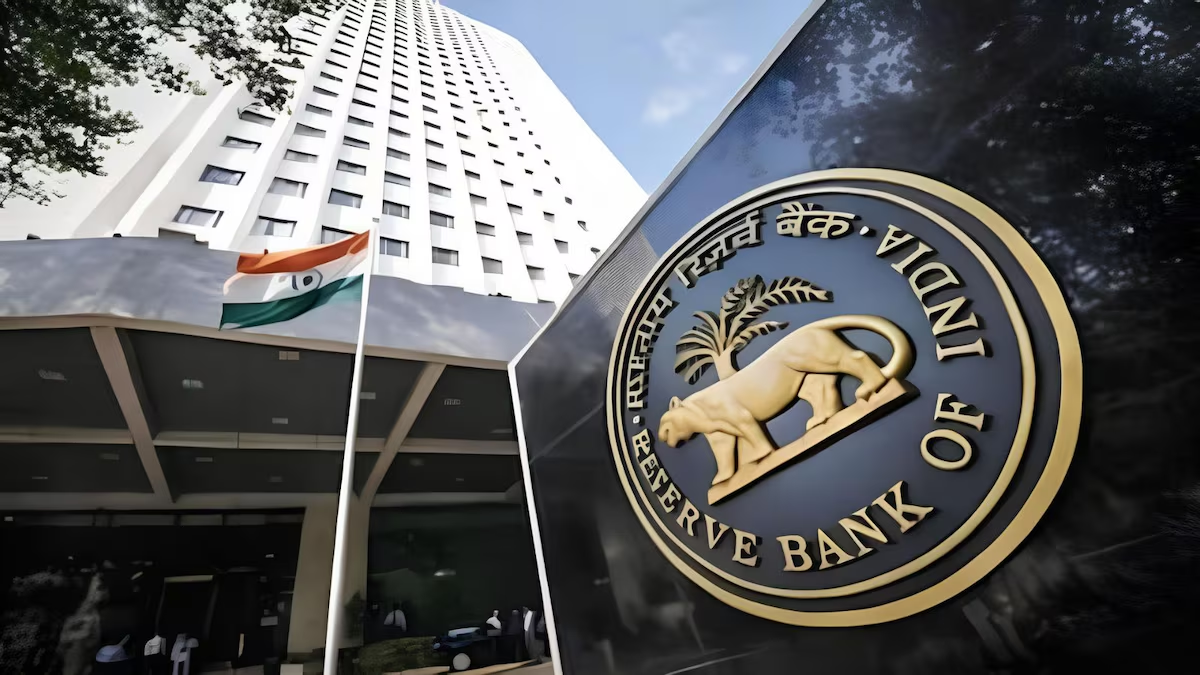
据至少五位银行家的分析,鉴于当前物价压力持续以及全球债券收益率不断攀升,印度储备银行有望在本周三采取比市场预期更为激进的加息举措。目前,1个月期隔夜指数掉期利率约为5.55%,较当前5.25%的回购利率高出30个基点。这一数值表明市场已完全预期到央行将加息25个基点,而加息50个基点的可能性则相对较小。在路透社的一项调查中,大多数经济学家也预计印度央行本周三将加息25个基点,这也将是自2023年初以来的首次加息。
“我认为印度储备银行有可能出人意料地加息50个基点,这种可能性约为三分之一,”道富投资管理的亚太区经济学家克里希纳·比马瓦拉普说道,“此外,也有观点认为印度央行有必要进一步收紧货币政策以追赶其他国家的步伐。”
The Reserve Bank of India may tighten monetary policy with a larger interest rate hike than most expect on Wednesday, according to at least five bankers’ interpretation of swap pricing, as policymakers confront price pressures and surging global yields. The 1-month overnight indexed swap is quoting at around 5.55%, or 30 basis points above the current 5.25% repo rate. This suggests a 25-basis-point increase is fully priced in, with a modest probability of a 50-basis-point hike. Most economists in a Reuters poll expect the central bank to hike by 25 basis points on Wednesday, in what would be a first rate increase since early 2023.”I think there is a one-in-three chance that the RBI surprises with a 50 bps hike,” said Krishna Bhimavarapu, APAC economist at State Street Investment Management.”There is also an argument that the RBI has some catching up to do.”
今年至今,尽管美联储及其他新兴市场国家的央行纷纷加息,印度央行却一直维持利率不变。通常而言,隔夜指数掉期市场最能反映市场对政策利率的预期,但近期由于更多关注全球经济因素的交易者主导了市场,该指标的参考价值有所下降。2026年初时,该市场曾预测印度央行将从6月起开始加息以支撑卢比汇率,但最终央行采取了限制资本流入的措施。
India’s central bank has avoided raising interest rates so far this year, even while the Federal Reserve and emerging market peers have raised rates. The OIS market is typically the clearest gauge of policy rate expectations, but has been less reliable recently as market participants with a stronger focus on global factors have dominated trading. Earlier in 2026, this market was indicating RBI will commence rate hikes from June to defend the rupee. The central bank used capital flow measures instead.
银行家们指出,由于当前银行体系流动性充裕,用于结算掉期合约的隔夜利率一直低于回购利率,因此1个月期隔夜指数掉期利率水平其实低估了市场对大幅加息的预期。自8月1日以来,印度银行同业拆借利率平均水平一直维持在5.15%左右。这意味着隔夜指数掉期利率与政策回购利率之间30个基点的差值已无法准确反映加息50个基点的可能性。经此调整后,银行家们认为市场目前预计印度央行实施大幅加息的概率约为25%。
Bankers say the 1-month OIS trading level understates market expectations of a jumbo rate hike because the overnight rate used to settle the swap has been consistently trading below the repo rate amid abundant banking-system liquidity. Average MIBOR has hovered around 5.15% since August 1. That has rendered the 30-basis-point spread between the OIS rate and the policy repo rate a less reliable measure of the chances of a 50-basis-point hike. Adjusting for this, bankers say the market is assigning a 25% probability of a larger rate increase.
由于按规定不得接受媒体采访,这些银行家们要求匿名。Emkay Global Financial Services的首席经济学家马达维·阿罗拉指出,鉴于全球金融环境日益趋紧,印度央行做出反应时会更加谨慎,因此加息50个基点“仍属小概率事件”。全球债券收益率再度攀升随着能源价格持续高企可能令通胀长期难以回落的担忧日益加剧,全球债券收益率也随之上升。
The bankers asked not be named as they aren’t allowed to speak to the media.A 50 bps hike ”remains an outside risk” as tighter global financial conditions increasingly shape the RBI’s reaction function, said Madhavi Arora, chief economist at Emkay Global Financial Services.GLOBAL YIELDS RESET HIGHERThe risk of a larger RBI move comes as global bond yields surge on mounting concerns that persistently high energy prices could keep inflation sticky, forcing central banks to maintain tighter monetary policy for longer.
在此背景下,各国央行可能不得不维持紧缩的货币政策。为提振卢比汇率,印度尼西亚在5月和6月两次加息,累计幅度达100个基点;菲律宾也因通胀压力扩散而收紧货币政策。
Indonesia raised rates by 100 basis points over May and June to support the rupiah, while the Philippines has tightened policy as inflationary pressures broadened.A 50-basis-point hike by India, however, may be an ”overreaction”, said Sajjid Chinoy, chief India economist at J.P.
不过,摩根大通驻印度首席经济学家萨吉德·奇诺伊认为,印度央行若选择加息50个基点,或许属于“反应过度”。他在本周的一份报告中写道:“印度央行一直保持耐心,因为它认为通胀风险主要源于供给端因素。目前通胀扩散的迹象尚不明显,因此央行不太可能以一次50个基点的加息来开启紧缩周期。”
Morgan.”The RBI has remained patient because it has characterized inflation risks as being largely supply-side,” he wrote in a note this week.”Signs of generalization appear too incipient for the RBI to start the cycle with a 50 bps hike.”