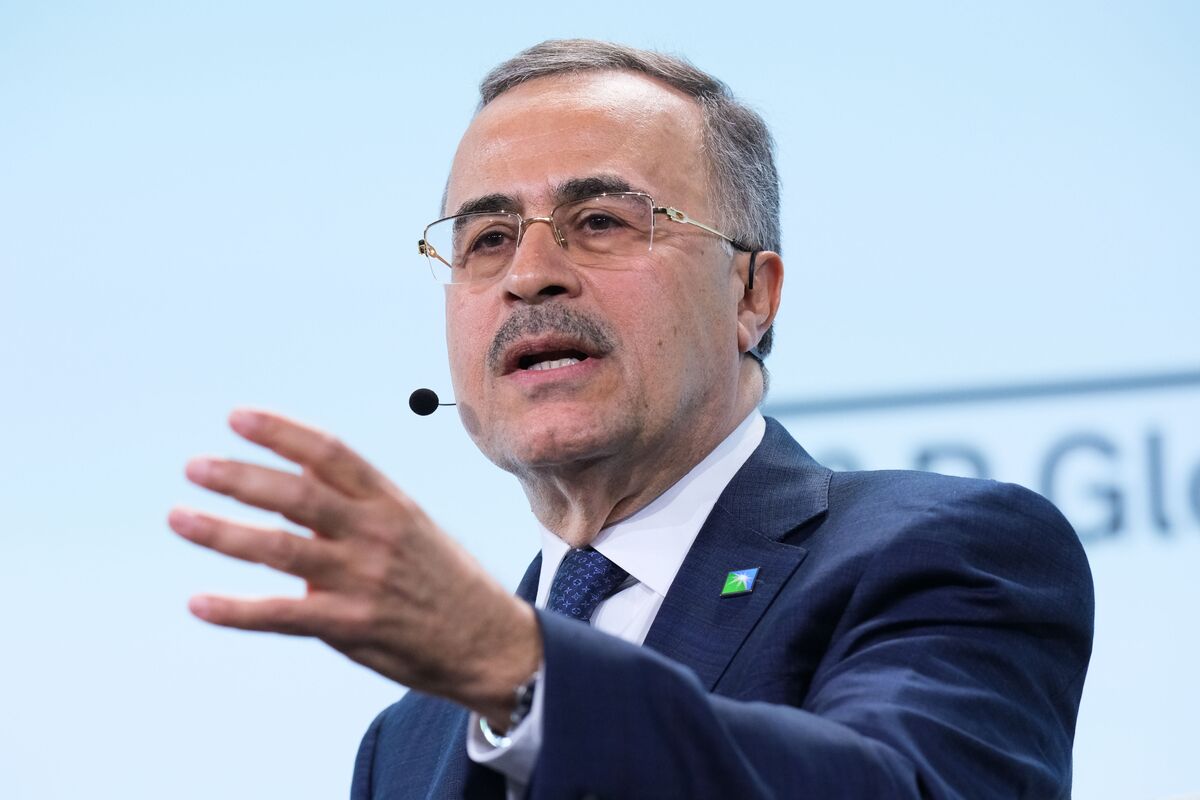
中东两大最大石油生产国的负责人警告称,世界其他地区将需要共同承担伊朗战争带来的支付负担,以及由此引发的基础设施投资需求。
The heads of two of the Middle East’s biggest oil producers warned that the rest of the world will need to share the burden of paying for the Iran war and the need for infrastructure spending that it’s creating.
这场冲突已导致石油管道、炼油厂、天然气工厂和数十艘油轮遭到广泛破坏,新投资所需的费用目前已高达数百亿美元。
The conflict has led to widespread damage to oil pipelines, refineries, gas plants and dozens of tankers, racking up a bill for new investment that’s already in the tens of billions of dollars.
沙特阿美公司首席执行官阿明·纳赛尔(Amin Nasser)与科威特石油公司(Kuwait Petroleum Corp.)的负责人谢赫·纳瓦夫·阿勒萨巴(Sheikh Nawaf Al-Saba)周一在能源情报论坛上表示,他们正寻求扩大出口路线和海外储存能力。科威特石油公司负责人指出,如果欧洲国家希望使用科威特生产的柴油和航空燃油,就必须投资相关的基础设施以进行储存。
Amin Nasser, the chief executive officer of Saudi Aramco, and Sheikh Nawaf Al-Saba, his counterpart at Kuwait Petroleum Corp. told the Energy Intelligence Forum on Monday they were looking to expand export-route and overseas-storage capabilities. The KPC boss said if European nations want Kuwaiti-made fuels like diesel and jet fuel, they will have to invest in the infrastructure to store it.
纳赛尔表示:“任何国家都不应独自面对这一问题。石油和天然气基础设施并非可以最小化或避免的成本,而是生产商和消费者共同必需的基础设施。”谢赫·纳瓦夫则指出,欧洲尤其需要加强燃料储存能力,因为在冲突爆发前,科威特已成为欧洲精炼石油产品的主要供应国。此后,欧洲大陆陷入能源危机,柴油供应尤为紧张。
“No country should face this alone,” Nasser said. “Oil and gas infrastructure is not a cost to be minimized or avoid. It is a collective necessity for producers and consumers alike.”Sheikh Nawaf said the need to store fuels is particularly acute in Europe, where Kuwait had become a major supplier of refined oil products before the conflict. The continent has since been thrust into an energy crisis, with diesel in especially short supply.
他表示,科威特目前正与欧洲合作伙伴探讨投资计划,以便在更靠近消费者的地区储存更多精炼燃料。
Kuwait is now discussing investments with European partners to store more refined fuels closer to consumers, he said.
他说:“我们希望能够处于这样的位置:我们为你提供蒸馏燃料,而你们也需要做好相应的物流投资,以便我们进行储存。”
“We want to be in that position where we’re providing you the distillates and you also need to make those logistical investments ready so that we can store,” he said.
纳赛尔还表示,即使危机现在结束,仅为了补充已耗尽的库存,未来两年内每天可能仍需额外约200万桶的石油供应。
Nasser said even if the crisis were to end now, about 2 million barrels a day of additional demand could be needed for as long as two years just to replenish depleted stockpiles.
纳赛尔表示,阿美石油公司正在研究替代原油出口路线,以实现多元化,摆脱对传统波斯湾和红海运输选择的依赖,以接触全球买家,但没有提供任何细节。他说,该公司还在研究将其海外存储设施的容量增加一倍或三倍的计划。
Aramco is working on alternative crude export routes to diversify away from reliance on its traditional Persian Gulf and Red Sea shipment options to reach global buyers, Nasser said, without providing any details. The company is also studying plans that would double or triple the capacity of its overseas storage facilities, he said.
沙特王国恢复东西方管道,凸显了为更灵活安排支付费用的重要性,该管道已成为绕过霍尔木兹海峡的重要路线,因为通过世界上最重要的能源瓶颈的运输已被中断。纳赛尔说,冲突开始后,修建管道的费用在14天内就支付了。
The importance of paying forward for more flexible arrangements has been underscored by the kingdom’s return on the East-West pipeline, which has served as a vital route to bypass the Strait of Hormuz as shipments through the world’s most important energy chokepoint have been disrupted. The cost of building the conduit paid out in 14 days once the conflict began, Nasser said.
随着战争进入第八个月,造成历史性破坏,他呼吁其他国家投资使其供应链更加灵活。
As war drags into an eighth month, causing historic disruption, he called on others to invest in making their supply chains more nimble.
“当然,并不是每个系统都应该看起来像我们的系统,但每个系统都需要更深层次的弹性世界,”他说。
“Of course, not every system should look like ours, but every system needs deeper worlds of resilience,” he said.