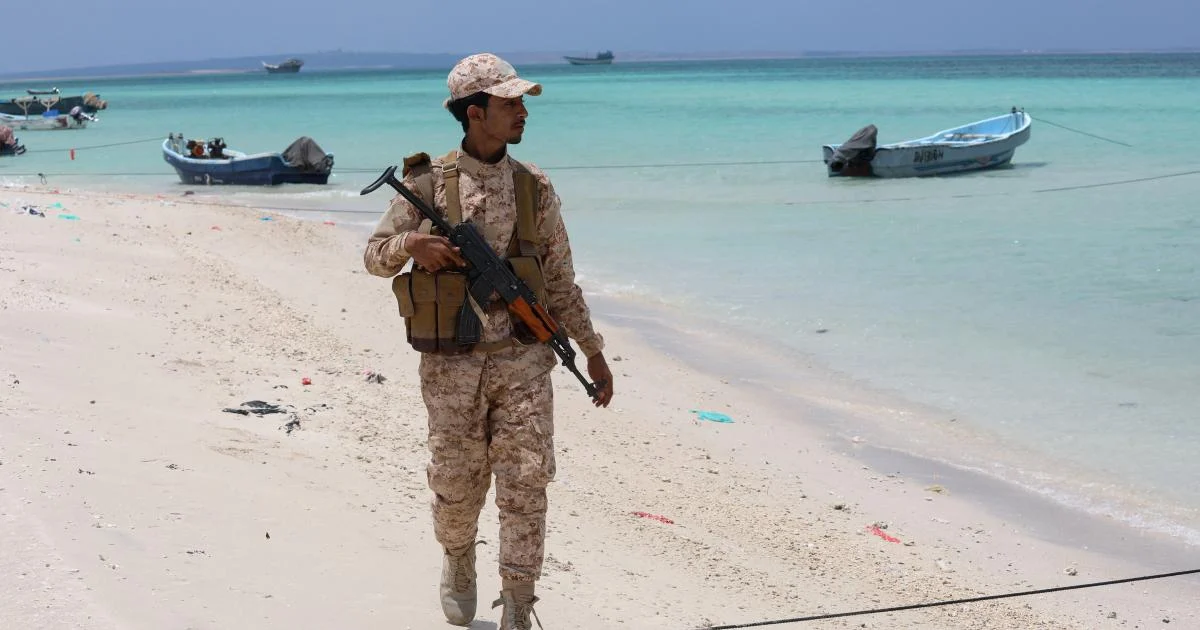
6月3日,美国国务卿马可·卢比奥告诉美国国会,苏丹持续三年的战斗现在是一场“代理人战争”,并指责沙特阿拉伯和阿拉伯联合酋长国(阿联酋)挫败了美国结束冲突的努力。卢比奥大声说出了许多观察家已经知道的事情:一场最初的国内权力斗争已经演变成一场更广泛的地区战争,吸引了外部势力并蔓延到苏丹边境。
On June 3, U.S. Secretary of State Marco Rubio told the U.S. Congress that the fighting that had raged for three years in Sudan was now a “proxy war” and blamed Saudi Arabia and the United Arab Emirates (UAE) for frustrating American efforts to bring the conflict to an end. Rubio was saying out loud what many observers already knew: what started as a domestic power struggle has morphed into a wider regional war, drawing in outside powers and spilling across Sudan’s borders.
苏丹冲突的蔓延是更大地缘政治转型的一部分。在过去一个世纪的大部分时间里,政策制定者一直将非洲之角和阿拉伯半岛视为被红海分割的独立战略区域。这种区别现在正在消失。海一边的战争日益改变另一边的军事算计。随着美国和以色列二月份决定对伊朗发动战争,这种纠缠只会加深,阿布扎比和利雅得(两国已经不和)之间的裂痕加深,削弱了美国在该地区的安全秩序,并强调了确保红海航运安全的重要性。
The spread of the conflict in Sudan is part of a larger geopolitical transformation. For much of the past century, policymakers have treated the Horn of Africa and the Arabian Peninsula as separate strategic regions divided by the Red Sea. That distinction is now evaporating. Wars on one side of the sea increasingly alter the military calculations on the other. This entanglement is only deepening in the wake of the United States’ and Israel’s decision in February to launch a war on Iran, driving a deeper wedge between Abu Dhabi and Riyadh (which were already at odds), weakening the American-anchored security order in the region, and underscoring the importance of securing the Red Sea for shipping.
过去十年来,阿联酋一直是非洲之角最积极的外部参与者,建立港口和军事基地,向主要盟友提供巨额金融计划,并广泛参与苏丹内战。但最近的伊朗战争,以及去年12月阿联酋与沙特在也门安全伙伴关系的破裂,使利雅得对华盛顿的保护不再有信心,对阿联酋与以色列的安全关系更加焦虑,并更倾向于控制红海的安全局势。
For the past decade, the UAE has been the most aggressive outside player in the Horn of Africa, establishing ports and military bases, offering large financial packages to key allies, and involving itself extensively in Sudan’s civil war. But the recent war in Iran, along with the breakdown of the Emirati-Saudi security partnership in Yemen last December, made Riyadh less confident of Washington’s protection, more anxious about the UAE’s security ties to Israel, and more intent on controlling the Red Sea’s security picture.
因此,随着沙特阿拉伯倾向于与埃及、土耳其和巴基斯坦结盟,它也利用这种结盟来加强非洲之角的关键伙伴关系。尽管它正在努力应对来自伊朗及其盟友的威胁,其中包括已控制也门红海海岸的胡塞武装,但它正在努力应对阿拉伯之角得到阿联酋或以色列支持的派系。
And so as Saudi Arabia has leaned into an alignment with Egypt, Turkey, and Pakistan, it has also brought that alignment to bear to strengthen key partnerships in the Horn. It is trying to counter factions in the Horn that are backed by the UAE or Israel even as it struggles to manage threats from Iran and its allies—including the Houthis, who have seized control of Yemen’s Red Sea coast.
与此同时,沙特阿拉伯及其盟友支持的苏丹武装部队与利比亚盟友埃塞俄比亚之间发生冲突的风险正在增加,埃塞俄比亚和厄立特里亚之间爆发另一场直接战争的可能性也在增加。埃塞俄比亚和厄立特里亚之间在红海的新战争可能会演变成与苏丹冲突重叠的地区冲突。现有的阿联酋-沙特裂痕不仅会加剧这种分歧,而且很可能会加深这种分歧。
At the same time, the risk of conflict is increasing between the Sudanese armed forces (SAF), backed by Saudi Arabia and its allies, and Ethiopia, an ally of the emirates, as well as the chance that another direct war could erupt between Ethiopia and Eritrea. A new war between Ethiopia and Eritrea on the Red Sea would likely turn into a regional conflict that overlaps with the one in Sudan. And it would not only be aggravated by the existing Emirati-Saudi rift—it might well deepen that divide.
一些中东政府曾经将非洲之角视为一个低风险的剧场,他们可以以相对较低的成本争夺影响力。但随着中东和非洲之角的战争变得密不可分,一个单一的安全领域正在形成。除非中东和非洲之角的领导人认识到他们的安全困境已经变得多么相互关联,否则不稳定将继续向两个方向反弹,重叠的冲突和争端将变得更加难以解决。
Some Middle Eastern governments once saw the Horn of Africa as a low-stakes theater in which they could compete for leverage at relatively little cost. But as wars in the Middle East and the Horn become inextricably linked, a single security sphere is coalescing. Unless leaders in both the Middle East and the Horn recognize how interconnected their security dilemmas have become, instability will continue to ricochet in both directions, and the overlapping conflicts and disputes will become harder to resolve.
三权分立在某些方面,非洲之角和中东之间日益加剧的纠缠是对历史常态的回归。数千年来,海洋连接着今天的吉布提、厄立特里亚、埃塞俄比亚和也门,人员、商品和文化趋势在其中定期流动。埃塞俄比亚的主要语言阿姆哈拉语和厄立特里亚和埃塞俄比亚北部广泛使用的提格里尼亚语都是闪族语言。基督教很早就传播到了现在的埃塞俄比亚北部,成为世界上最古老的基督教东正教传统之一的所在地。
separation of powers In some respects, the growing entanglement between the Horn of Africa and the Middle East is a return to a historical norm. Over millennia, the sea connected present-day Djibouti, Eritrea, Ethiopia, and Yemen, and people, goods, and cultural trends moved regularly among them. Amharic, Ethiopia’s dominant language, and Tigrinya, widely spoken in Eritrea and northern Ethiopia, are both Semitic tongues. Christianity spread early to what is now northern Ethiopia, making it home to one of the world’s oldest Christian Orthodox traditions.
六世纪,一位驻扎在现代埃塞俄比亚的阿克苏米特统治者短暂征服了也门的部分地区。不久之后,先知穆罕默德派他最早的一些追随者越过红海,到那里的基督教阿克苏米特国王避难。伊斯兰教后来传播到大洋彼岸和非洲印度洋沿岸。从十六世纪到二十世纪,奥斯曼帝国统治着红海两岸的领土,阿曼统治者建立了一个将阿拉伯半岛与东非大部分海岸线联系起来的帝国,最终将首都从马斯喀特迁至桑给巴尔。
In the sixth century, an Aksumite ruler in based in modern-day Ethiopia briefly conquered parts of Yemen. Not long afterward, the Prophet Mohammed sent some of his earliest followers across the Red Sea to take refuge with a Christian Aksumite king there. Islam later spread across the sea and along Africa’s Indian Ocean coast. From the sixteenth to the twentieth century, the Ottoman Empire ruled territory on both sides of the Red Sea, and Omani rulers built an empire tying the Arabian Peninsula to much of East Africa’s coastline, eventually moving their capital from Muscat to Zanzibar.
这些联系一直持续到现代。二十世纪初,当沙特王国征服阿拉伯半岛西部的汉志地区时,港口城市吉达的精英们将家人送往红海前往苏丹港寻求安全。2023年4月,喀土穆爆发战争,许多苏丹人在吉达避难。
These links persisted into the modern age. When the Saudi kingdom conquered the Hejaz region on the western Arabian Peninsula in the early twentieth century, elites in the port city of Jeddah sent their families across the Red Sea to Port Sudan for safety. And in April 2023, when war erupted in Khartoum, many Sudanese took refuge in Jeddah.
然而,从二十世纪开始,随着欧洲殖民主义和民族主义运动切断了贯穿红海和亚丁湾的治理联系,红海两岸之间的分裂开始加剧。建立了联系--例如,在20世纪70年代的石油繁荣改变了海湾经济体后,波斯湾财富流向了附近的非洲国家,而非洲劳动力和出口则流向了相反的方向,而中东国家在埃塞俄比亚和索马里之间的战争中发挥了重要作用。
Starting in the twentieth century, however, a separation began to harden between the two sides of the Red Sea as European colonialism and nationalist movements severed governance links crisscrossing the Red Sea and the Gulf of Aden. Connections remained—for instance, Persian Gulf wealth flowed to nearby African countries and African labor and exports flowed the other way after a 1970s oil boom transformed the Gulf economies, and Middle East countries played a substantial role in a war during that decade between Ethiopia and Somalia.
但冷战结束后,阿拉伯和非洲红海沿岸之间的政治鸿沟进一步扩大。1990年至1991年的第一次海湾战争颠覆了中东,扩大了美国在那里的军事足迹,让海湾国家暂时不再管理邻国。大约在同一时间,非洲之角的政体开始分裂。索马里的崩溃促使亚丁湾前英国殖民地索马里兰于1991年宣布独立。埃塞俄比亚政权更迭导致厄立特里亚1993年分裂,苏丹内战加剧最终导致南苏丹2011年分裂。
But the political gulf between the Arabian and African Red Sea shores widened further after the end of the Cold War. The first Gulf War, in 1990-91, upended the Middle East and expanded the U.S. military footprint there, giving Gulf states a reprieve from managing their near abroad. Around the same time, polities in the Horn began to fragment. Somalia’s collapse drove Somaliland, a former British colony along the Gulf of Aden, to claim independence in 1991. Regime change in Ethiopia led to the 1993 secession of Eritrea, and an intensified civil war in Sudan eventually prompted South Sudan’s 2011 secession.
美国为应对非洲之角的这些动乱做出了令人担忧且往往适得其反的努力。然而,它很少认为非洲之角和中东,或其在每个地区的作用有联系。当海湾国家关注来自伊朗和黎凡特的威胁时,非洲之角则转向内向。
The United States made fraught and often counterproductive efforts to try to manage these convulsions in the Horn of Africa. Yet it rarely saw the Horn and the Middle East, or its role in each region, as linked. While Gulf states focused on threats emanating from Iran and the Levant, the Horn turned inward.
这些地区的地区领导人也不认为它们有密切的联系。埃塞俄比亚总统梅莱斯·泽纳维等东非领导人主要寻求在整个非洲大陆而不是整个红海的影响力,支持非洲联盟等机构。非洲之角地区最强大的两个国家埃塞俄比亚和肯尼亚有影响力的基督教精英与阿拉伯世界几乎没有联系。波斯湾地区的政治权力集中在利雅得以及波斯湾首都阿布扎比和多哈周围,而不是红海沿岸。当苏丹分裂时,这一进程由非洲联盟在美国和欧洲的支持下领导;阿拉伯世界则袖手旁观。
Regional leaders in these areas also did not view them as intimately connected. East African leaders such as Ethiopian President Meles Zenawi primarily sought influence across the African continent rather than across the Red Sea, championing institutions such as the African Union. Influential Christian elites in both Ethiopia and Kenya, the Horn region’s two strongest countries, have little attachment to the Arab world. Political power in the Persian Gulf region was concentrated in Riyadh and around the Persian Gulf capitals of Abu Dhabi and Doha, not the Red Sea shore. When Sudan partitioned, the process was led by the African Union with backing from the United States and Europe; the Arab world was on the sidelines.
号角卷土重来在阿拉伯之春的动荡期间,号角开始退回中东的势力范围。2011年,土耳其总统雷杰普·塔伊普·埃尔多安(Recep Tayyip Erdogan)成为近20年来第一位访问索马里首都摩加迪沙的非非洲领导人,试图扩大土耳其在该地区的影响力。起义还破坏了也门的稳定,并导致胡塞武装在2014年占领了该国大部分地区。
THE HORN CIRCLES BACK During the turmoil of the Arab Spring, the Horn began to draw back into the Middle East’s sphere of influence. In a key turning point in 2011, Turkey’s Recep Tayyip Erdogan became the first non-African leader to visit Mogadishu, Somalia’s capital, in almost 20 years as he sought to expand Turkish influence in the region. The uprisings also destabilized Yemen and led to the Houthis’ takeover of much of the country in 2014.
2015年,沙特阿拉伯和阿联酋决定对胡塞武装进行军事干预,这增加了非洲之角的战略重要性,因为海湾国家需要新的军事基地和人员来维持针对该叛乱组织的行动。阿联酋在厄立特里亚海岸线开设了一个军事基地,而苏丹奥马尔·巴希尔政权则从该国准军事快速支援部队中派遣数万名士兵进入也门,支持沙特和阿联酋在那里的努力。
The decision by Saudi Arabia and the UAE to intervene militarily against the Houthis in 2015 increased the Horn’s strategic importance because Gulf states needed new military bases and personnel to sustain their campaign against the rebel group. The emirates opened a military base on the Eritrean coastline while Omar al-Bashir’s regime in Sudan sent tens of thousands of troops from the country’s paramilitary Rapid Support Forces into Yemen to support the Saudi and Emirati efforts there.
与此同时,中东国家开始怀疑美国对该地区的安全承诺,因为奥巴马政府广泛宣传的“转向亚洲”和与伊朗的外交,这加速了他们在更广泛地区保护自己利益的努力。中东各国政府变得更加焦虑,它们之间的竞争变得更加激烈。2017年海湾内部危机最终导致邻国对卡塔尔的封锁直接蔓延到非洲,因为松散的赞助人集团争夺影响力,沙特阿拉伯和阿联酋推动霍恩领导人选择一方。
At the same time, Middle Eastern countries had begun to doubt U.S. security commitments to the region amid the Obama administration’s widely publicized “pivot to Asia” and diplomacy with Iran, which accelerated their scramble to secure their own interests in a wider area. Middle Eastern governments became more anxious and competition among them grew more intense. A 2017 intra-Gulf crisis culminating in the blockade of Qatar by neighboring countries spilled directly into Africa, as loose blocs of patrons competed for influence and Saudi Arabia and the UAE pushed Horn leaders to choose a side.
阿联酋开始在非洲之角进行越来越雄心勃勃的政治干预:例如,它将赌注押在2018年上台的埃塞俄比亚领导人阿比·艾哈迈德身上,通过早期注入30亿美元支持他的政权,并在他面临提格雷地区叛乱时提供关键的军事支持。
The UAE began to make increasingly ambitious political interventions in the Horn: for instance, it placed a major bet on the Ethiopian leader Abiy Ahmed, who rose to power in 2018, by backing his regime with an early infusion of $3 billion and providing critical military support when he faced a rebellion in the Tigray region.
苏丹的灾难性战争进一步将非洲之角与中东融为一体。2019年,当喀土穆的大规模抗议活动威胁要推翻巴希尔政权时,阿布扎比和利雅得支持了夺取政权的军政府。2023年军政府两位领导人互相攻击后,阿联酋成为苏丹快速支援部队的主要赞助人,尽管阿布扎比正式否认其干预的程度。沙特阿拉伯也与无国界记者组织有着历史性的联系,最初试图在双方之间进行调解,但阿联酋的干预范围最终导致利雅得更加坚定地支持苏丹武装部队。沙特阿拉伯已成为苏丹军队最重要的盟友。
The catastrophic war in Sudan further fused the Horn of Africa to the Middle East. When mass protests in 2019 threatened to topple Bashir’s regime in Khartoum, Abu Dhabi and Riyadh backed a military junta that seized power. After the junta’s two leaders turned on each other in 2023, the UAE emerged as the major patron of Sudan’s Rapid Support Forces, although Abu Dhabi formally denies the extent of its interventions. Saudi Arabia also had historic ties to the RSF and at first tried to mediate between the two sides, but the scope of the UAE’s intervention eventually led Riyadh to more firmly back the SAF. Saud Arabia has become the Sudanese army’s most important ally.
在过去的一年里,非洲之角的这些争端开始蔓延至红海。阿布扎比和利雅得之间因苏丹战争而紧张局势似乎导致阿联酋与沙特对抗胡塞武装的伙伴关系破裂。2025年12月,在阿联酋支持的分离主义势力在沙特边境附近突然发动进攻后,沙特阿拉伯和也门政府要求阿联酋撤军。同月,以色列成为第一个承认索马里兰独立的国家。埃及、沙特阿拉伯、土耳其和其他非洲和中东国家强烈反对这一举动,但阿联酋保持沉默,加深了海湾地区的紧张局势。苏丹战争进一步将非洲之角与中东融合在一起。
Over the past year, those disputes in the Horn of Africa began to spill back across the Red Sea. Tensions between Abu Dhabi and Riyadh over the war in Sudan appeared to contribute to the breakup of the Emirati-Saudi partnership to counter the Houthis. In December 2025, Saudi Arabia and the Yemeni government demanded that the UAE pull out of the country after a sudden offensive near the Saudi border by separatist forces backed by the emirates. The same month, Israel became the first country to recognize the independence of Somaliland. Egypt, Saudi Arabia, Turkey, and others in Africa and the Middle East fiercely opposed this move, but the UAE remained silent, deepening the tensions within the Gulf. The war in Sudan further fused the Horn of Africa to the Middle East.
在美国和以色列今年2月对伊朗宣战后,因霍恩政治而加剧的沙特-沙特裂痕阻碍了海湾地区的集体反应。战争本身使非洲之角和中东更加紧密地纠缠在一起。沙特阿拉伯寻求通过新的区域安全协定和外交联盟来保护自己,而阿联酋则加强了与美国和以色列的安全伙伴关系。尽管双方都试图在公开场合淡化这种分歧的程度,但其影响在红海的另一边也很明显。
The Emirati-Saudi rift, exacerbated by Horn politics, hindered a collective Gulf response after the United States and Israel declared war on Iran in February. The war itself entangled the Horn and the Middle East only more tightly. Saudi Arabia sought to safeguard itself through new regional security pacts and diplomatic alignments, while the UAE strengthened its security partnerships with the United States and Israel. Although both sides try to downplay the extent of this rift in public, its effects are evident on the other side of the Red Sea, too.
沙特阿拉伯与埃及和土耳其协调,加深了对苏丹和索马里事务的参与:这种支持似乎推动了苏丹武装部队最近在战场上的胜利,并鼓励苏丹武装部队领导人继续拒绝美国的停战建议。与此同时,索马里政府正在扩大与包括巴基斯坦在内的沙特主要盟友的伙伴关系。沙特阿拉伯和埃及也反对埃塞俄比亚寻求重新获得红海的主权沿海港口和海军存在,并正在加强与埃塞俄比亚沿海邻国的关系。
Saudi Arabia has deepened its involvement in both Sudanese and Somali affairs, in coordination with Egypt and Turkey: such support appears to have driven the SAF’s recent gains on the battlefield and emboldened SAF leaders to continue to reject U.S. truce proposals. Meanwhile, the Somali government is expanding its partnerships with key Saudi allies, including Pakistan. Saudi Arabia and Egypt also oppose Ethiopia’s quest to regain a sovereign coastal port and naval presence on the Red Sea, and are bolstering their ties to Ethiopia’s coastal neighbors. (Saudi Arabia’s wish to control maritime security in the Red Sea has only grown since the Strait of Hormuz’s closure forced it to divert the bulk of its oil exports through that waterway.)
(自从霍尔木兹海峡的关闭迫使沙特阿拉伯将其大部分石油出口转向该水道以来,沙特阿拉伯控制红海海上安全的愿望才有所增加。中东国家扩大对非洲之角的参与增加了埃塞俄比亚和苏丹内部冲突合并为更大地区战区的风险。阿联酋通过埃塞俄比亚向无国界记者提供军事支持,加剧了喀土穆和亚的斯亚贝巴之间的不信任。与此同时,埃塞俄比亚指责苏丹武装部队为数千名忠于提格雷人民解放阵线的战士提供安全港,提格雷人民解放阵线于4月份实际上废除了2022年的和平协议,并重新夺回了埃塞俄比亚提格雷地区的权力。9月下旬,在厄立特里亚的默默支持下,蒂格雷人阵对埃塞俄比亚军队发动了大规模攻势,将该地区重新推入战争。到10月初,埃塞俄比亚军队夺回了提格雷地区首府,此举可能只会迫使战斗向北逼近埃塞俄比亚和厄立特里亚边境。一场新的埃塞俄比亚-厄立特里亚战争实际上将使埃及和沙特阿拉伯与阿联酋对抗。
Middle Eastern countries’ expanding involvement in the Horn increases the risk that internal conflicts in Ethiopia and Sudan will merge into a larger regional war zone. An infusion of Emirati military support for the RSF through Ethiopia has helped stoke distrust between Khartoum and Addis Ababa. Ethiopia, meanwhile, accuses the SAF of giving safe harbor to thousands of fighters loyal to the Tigray People’s Liberation Front, which in April effectively annulled a 2022 peace deal and retook power over Ethiopia’s Tigray region.
与此同时,在索马里,长期的政治斗争与中东不断扩大的安全冲突日益交织在一起。以色列承认位于亚丁湾曼德海峡附近的索马里兰,引起了埃及、土耳其和沙特阿拉伯的深切震惊。作为回应,2026年初,摩加迪沙与利雅得签署了正式的国防合作协议,并取消了与阿布扎比的现有安全和经济协议。
In late September, with quiet backing from Eritrea, the TPLF launched large-scale offensives against the Ethiopian army, pushing the region back into war. By early October, the Ethiopian army had retaken Tigray’s regional capital, a move that may only force the fighting north toward the Ethiopian-Eritrean border. A new Ethiopian-Eritrean war would, in effect, pit Egypt and Saudi Arabia against the UAE. In Somalia, meanwhile, longstanding political struggles are becoming increasingly entangled with the Middle East’s widening security conflicts.
阿联酋已经与索马里兰结盟,在那里建立了关键的军事基础设施,并改造了伯贝拉的一个主要港口;它还在附近的半自治邦特兰地区建立了一个军事前哨站,并接管了博萨索港口,该港口多年来一直与索马里联邦政府不和。据报道,随着也门胡塞武装扩大在曼德海峡周围的行动,并重新发起对沙特阿拉伯的袭击,他们还试图进军非洲之角,特别是与伊斯兰叛乱组织青年党合作,该组织控制着索马里南部的大片地区。
Israel’s recognition of Somaliland, which sits near the Bab el Mandeb Strait in the Gulf of Aden, caused deep alarm in Egypt, Turkey, and Saudi Arabia. In response, in early 2026, Mogadishu signed a formal defense cooperation agreement with Riyadh and canceled their existing security and economic deals with Abu Dhabi. The UAE had already aligned with Somaliland by establishing key military infrastructure there and revamping a major port in Berbera; it also created a military outpost and took over a port, Bosaso, in the nearby semi-autonomous Puntland region, which has been at odds with Somalia’s federal government for years. As the Houthis in Yemen have expanded their operations around the Bab el Mandeb Strait and refreshed their attacks on Saudi Arabia, they have also reportedly sought to develop their own inroads into the Horn, especially with the Islamist insurgent group al-Shabab, which controls swathes of southern Somalia.
该也门组织威胁称,如果以色列在索马里兰建立存在,该组织将袭击索马里兰,美国官员声称该组织已经在向青年党运送武器。
The Yemeni group has threatened to attack Somaliland should Israel establish a presence there, and U.S. officials have asserted that it is already sending al-Shabab weapons.
更完美的联盟在某种程度上,中东向非洲之角的扩张正在填补其他国家留下的真空。美国全面缩减对非洲的外交和援助,鼓励非洲之角领导人寻找其他地方的合作伙伴关系。他们需要弥补具体的退出:例如,15年多来,联合国为非洲联盟在索马里的军事部署提供后勤支持,以对抗青年党。该任务成功地帮助占领并占领领土。但在7月,特朗普政府发誓要阻止联合国为该任务提供后勤支持。此举可能会促使索马里政府的主要支持者土耳其和其他盟国进一步参与。
A MORE PERFECT UNION To some extent, the Middle East’s expansion into the Horn of Africa is filling a vacuum left by others. The United States’ general retrenchment from African diplomacy and aid has encouraged Horn leaders to look elsewhere for partnerships. They need to make up for specific exits: for more than 15 years, for instance, the United Nations provided logistical support for an African Union military deployment in Somalia to counter al-Shabab. The mission succeeding in helping take and hold territory. But in July, the Trump administration vowed to block the UN from giving logistical support to the mission. This move is likely to prompt even greater involvement by Turkey, the Somali government’s top backer, and other allied countries.
非洲之角与大中东地区的重新融合本质上并不是一种负面趋势。霍恩领导人想要多元化的盟友是正确的。海湾国家主导的经济体的投资为非洲之角国家提供了经济生命线,特别是在基础设施方面。中东各国首都也可以作为调解冲突的关键枢纽:例如,2024年,埃尔多安调解了埃塞俄比亚和索马里之间的缓和。
The Horn’s renewed integration with the greater Middle East is not inherently a negative trend. Horn leaders are right to want diverse allies. Investments by the Gulf’s state-directed economies have given Horn countries an economic lifeline, particularly when it comes to infrastructure. Middle East capitals can also serve as crucial hubs for mediating conflicts: in 2024, for instance, Erdogan mediated a détente between Ethiopia and Somalia.
但就目前而言,这两个地区的整合正在通过代理人战争和武器进行,这一事实超过了这些好处。非洲之角和中东永远不可能像二十世纪那样保持分离。纵观历史,红海连接着两岸的社会,今天,地理位置正在重新确立。如果一些中东国家的政府继续表现得好像他们可以支持非洲之角的各个交战派别而不承担后果,如果非洲之角的政府寻求中东的赞助主要是为了武装自己对抗当地的竞争对手,那么最大的危险就会出现。
But for now, those upsides are outweighed by the fact that integration of the two regions is occurring substantially through proxy warfare and arms. It was always unlikely that the Horn of Africa and the Middle East would remain as separate as they were during the twentieth century. Throughout much of history, the Red Sea connected societies on either shore, and today, geography is reasserting itself. The biggest danger arises if some Middle East governments continue to act as if they can back various warring factions in the Horn without absorbing the consequences, and if Horn governments seek Middle Eastern patronage mainly to arm themselves against local rivals.
阻止这一趋势将需要沙特阿拉伯和阿联酋同意共同努力,在新的地区战争爆发之前缓和非洲之角的冲突。至于苏丹,双方应该放弃最高要求,敦促各自的交战方同意停火和成立过渡政府。沙特阿拉伯和阿联酋还需要协调以防止涉及埃塞俄比亚的新的跨境战争:阿布扎比需要阻止埃塞俄比亚将其与蒂格雷人阵的战争扩大到厄立特里亚并一直延伸到红海海岸线的任何努力,而利雅得应该阻止其关键盟友埃及,厄立特里亚和苏丹干涉埃塞俄比亚境内。
Arresting this trajectory will require Saudi Arabia and the UAE to agree to work together to deescalate conflict in the Horn before a new regional war erupts. As for Sudan, the two should step back from maximalist demands and press the respective belligerents to agree to a cease-fire and a transitional government. Saudi Arabia and the UAE also need to coordinate to prevent a new cross-border war involving Ethiopia: Abu Dhabi needs to discourage any push by Ethiopia to expand its war with the TPLF into Eritrea and all the way to the Red Sea coastline, while Riyadh should discourage its key allies Egypt, Eritrea, and Sudan from meddling inside Ethiopia.
双方可以共同努力,重新启动摩加迪沙的索马里政府和哈尔格萨的索马里兰行政当局之间关于长期争端的秘密谈判。与此同时,非洲之角本身的领导人拥有管理敌对国家间关系的经验,因此他们可以在低沸点下沸腾,而不是爆发彻底的地区冲突。他们应该立即召开霍恩国家元首地区峰会,并鼓励中东盟友对地区安全采取更加集体的态度。
The two could work together to restart quiet talks between the Somali government in Mogadishu and Somaliland’s administration in Hargeisa about their long-running dispute. Leaders in the Horn itself, meanwhile, have experience managing hostile interstate relations so they simmer at a low boil rather than explode into outright regional conflict. They should immediately call a regional summit among Horn heads of state and should also encourage a more collective approach toward regional security from their Middle East allies.
另一种更黑暗的整合版本也是可见的。即使阿联酋和沙特首都弥合了一些分歧,也可以巩固各自在非洲之角的地位。中东各大国之间的其他竞争--例如,土耳其和卡塔尔为一方,以色列和阿联酋为另一方--也可能加剧非洲之角的内部断层线。无论如何,非洲之角重返中东战场可能是不可逆转的。现在的问题是,各个大国是否能够找到一种方法来管理其不同的利益来化解冲突--或者,在一场又一场的冲突中,他们是否会继续发现,在红海一侧发动的战争不再受到控制,迫使整个非洲之角数百万平民付出代价。
An alternative, darker version of integration is also visible. The Emiratis and Saudis could entrench their respective positions in the Horn even if the two capitals patch up some of their differences. Other rivalries among various Middle East powers—for instance, between Turkey and Qatar on the one side and Israel and the UAE on the other—could also exacerbate the Horn’s internal fault lines. One way or the other, the Horn of Africa’s return to the Middle East theater is likely irreversible. The question now is whether the various powers can find a way to manage their different interests to defuse conflict—or whether, conflict by conflict, they will continue to discover that wars launched on one side of the Red Sea no longer remain contained there, forcing millions of civilians throughout the Horn to pay the price.