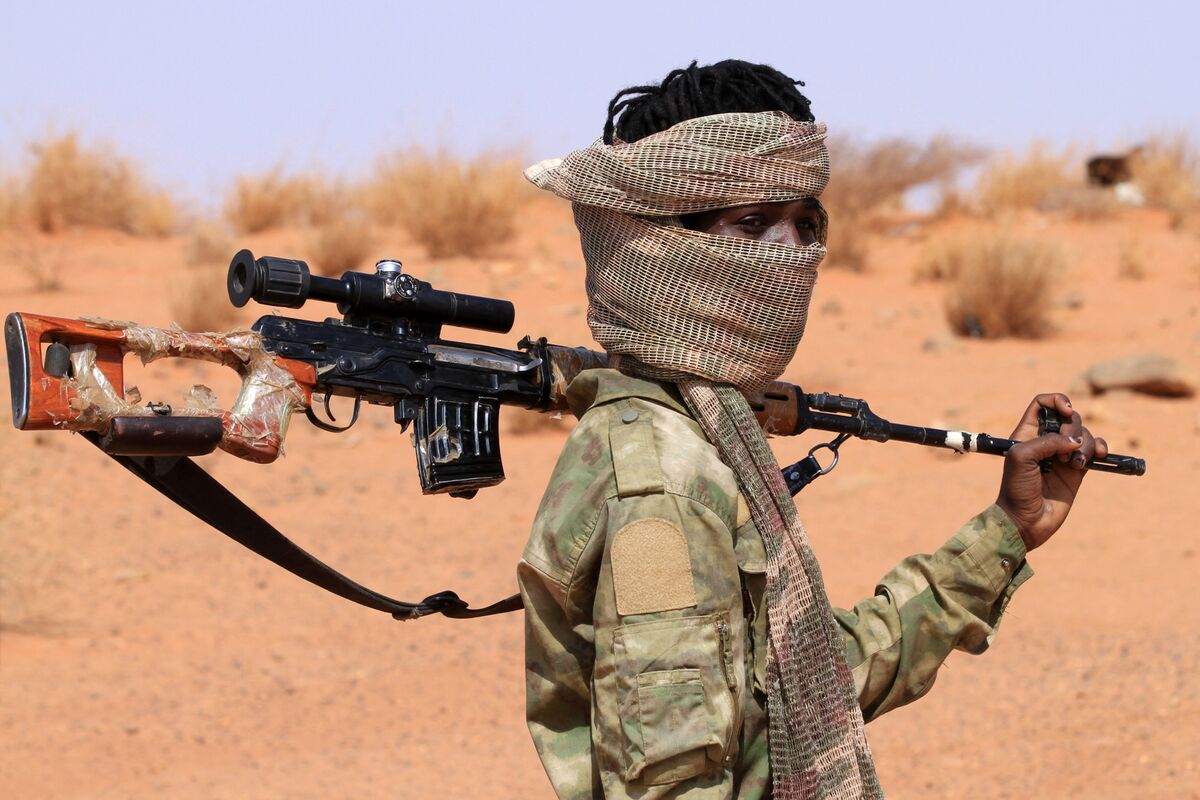
哈尔·布兰兹(Hal Brands)指出:虽然霍尔木兹海峡的争端备受全球关注,但我们同样不应忽视阿拉伯半岛西侧这片充满争议的水域。整个红海地区都充斥着紧张的竞争局势——参与冲突的不仅有大国,还有非国家行为体以及各种中间势力。这条冲突通道严重扰乱了全球贸易,影响了横跨两大洲的多个地区;它或许也预示着未来更广泛的动荡局势。
The battle for the Strait of Hormuz commands global attention, but keep an eye on the contested waterway west of the Arabian Peninsula as well. The entire Red Sea region is pulsing with rivalry; the combatants include great powers, nonstate actors and nearly everything in between. This corridor of conflict upsets global trade and roils regions spanning two continents. It may also offer a preview of broader disorder ahead.
红海通过北部的苏伊士运河以及南部的曼德海峡和亚丁湾,将印度洋与地中海(进而将亚洲与欧洲)连接起来。在正常情况下,红海每天承载着全球30%的集装箱运输量以及近500万桶石油。绝大多数连接欧洲和亚洲的海底光缆都铺设在这片海域之下。
The Red Sea connects the Indian Ocean to the Mediterranean — and thus, Asia to Europe — via the Suez Canal in the north and the Bab el-Mandeb Strait and the Gulf of Aden in the south. In normal times, it carries 30 percent of global container traffic and nearly 5 million barrels of oil per day. The vast majority of the undersea fiber-optic cables that connect Europe to Asia run across the sea’s floor.
这条水道还连接着两个充满活力但局势动荡的地区:波斯湾和东北非。正如我在即将出版的书中所提到的,红海最窄处宽度仅约20英里,但它更多地起到了促进地区间联系的作用,而非造成分裂。近年来,该地区一直处于冲突状态之中。
This waterway also links two vibrant, volatile regions, the Persian Gulf and Northeast Africa: As I note in my forthcoming book, , a sea that less than 20 miles wide at its narrowest does more to unite than divide. And in recent years, there has been punishing conflict all around.
2023年10月7日以色列遭受恐怖袭击后,也门的胡塞武装表示了对哈马斯的支持,向以色列发射导弹并袭击了红海上的航运船只。今年夏天,与沙特阿拉伯长达数年的停火协议破裂后,胡塞武装控制了红海沿岸及曼德海峡沿线的关键地区。
Following the terrorist attacks against Israel on Oct. 7, 2023, Yemen’s Houthis showed solidarity with Hamas by lobbing missiles at Israel and raining fire on Red Sea shipping. After the collapse of a years-long truce with Saudi Arabia this summer, they seized key terrain along the Red Sea and the Bab el-Mandeb.
胡塞武装对沙特的航运活动实施了封锁;他们出动无人机并向亚丁湾的重要港口——延布发动了导弹攻击。亚丁湾是沙特通过管道向世界出口商品的主要通道(尤其是在霍尔木兹海峡发生争端或被关闭的情况下)。如今,沙特正在资助也门政府发起攻势,试图夺回被胡塞控制的领土;胡塞方面则对沙特的机场、输油管道及其他战略目标进行了反击。随着沙特阿拉伯向美国、中国、巴基斯坦、土耳其、英国、法国和以色列寻求援助,红海沿岸地区的局势也变得越来越不稳定。
The Houthis have imposed a blockade on Saudi shipping; they have sent drones and fired missiles at the vital Red Sea port of Yanbu, the kingdom’s export hub to the world via pipeline when Hormuz is contested or closed. Now, the Saudis are sponsoring a Yemeni government offensive meant to retake Houthi-held territory; the Houthis have responded with strikes on Saudi airports, pipelines and other strategic targets. And as Saudi Arabia appeals for help — to the US, China, Pakistan, Turkey, the UK, France and Israel — instability surges on the Red Sea’s African littoral, as well.
埃塞俄比亚的内战在沉寂了近四年后再次爆发。随着埃塞俄比亚政府指责厄立特里亚、苏丹和埃及支持提格雷地区的反政府武装,人们担心冲突可能会进一步升级。苏丹本身也正处于内战中,而这场内战受到了包括阿拉伯联合酋长国、土耳其和伊朗在内的多个外部势力的干预。
The civil war in Ethiopia, which had been dormant for nearly four years, has reawakened. Fears of a wider conflict have grown as the Ethiopian government has accused Eritrea, Sudan and Egypt of backing Tigray rebels. Sudan has its own grinding civil war, fueled by the intervention of many outside parties, including the United Arab Emirates, Turkey and Iran.
位于红海与亚丁湾交汇处的吉布提这个小国,成为了多个外国军事基地的所在地,同时也是地缘政治博弈的焦点。索马里虽然地处红海之外(位于曼德海峡以南),但由于与“基地”组织有关联的恐怖组织“青年党”的活动以及与索马里兰地区的紧张关系,它仍在地区局势中扮演着不稳定因素的角色。
Tiny Djibouti, located where the Red Sea meets the Gulf of Aden, is the site of several foreign military bases and continual geopolitical jockeying. Somalia sits outside the Red Sea, just south of the Bab el-Mandeb Strait, but it fosters regional turmoil, thanks to an insurgency by the al-Qaeda-linked terrorist group al-Shabaab and tensions with the breakaway region of Somaliland.
从北到南,这条沿海地带充满了竞争与冲突;红海地区的矛盾正日益超越地域界限,对整个地区产生深远影响。
Up and down this corridor, competition and conflict are ubiquitous — and Red Sea struggles increasingly transcend regional boundaries.
去年底,以色列正式承认了索马里兰从索马里独立出来的地位——这或许部分是为了利用索马里兰的领土作为对胡塞武装发动攻击的基地。此举可能会引发与土耳其的冲突,因为土耳其与索马里结盟,并在非洲和中东多个地区与以色列争夺影响力。
Israel recognized Somaliland’s independence from Somalia late last year, perhaps partly to use its territory as a launch pad for potential strikes against the Houthis. That could be a formula for strife with Turkey, which has aligned itself with Somalia and jousts with Israel for influence on multiple fronts in Africa and the Middle East.
各种激进联盟正在不断涌现:胡塞武装接受了训练,并与“青年党”(al-Shabaab)进行了武器交易;伊朗则在非洲的红海沿岸建立了自己的势力范围,作为针对沙特阿拉伯的“钳形战略”的一部分。这绝不是唯一将海湾地区与东北非联系在一起的竞争力量。
Radical alliances are flourishing: The Houthis have trained and traded weapons with al-Shabaab. Iran has cultivated a presence along Africa’s Red Sea coast as part of a pincer strategy aimed at Saudi Arabia. That’s hardly the only rivalry fusing the Gulf and Northeast Africa together.
沙特阿拉伯与阿拉伯联合酋长国之间的权力争夺已经蔓延至非洲,双方都在那里寻求资源与战略优势——尤其是通过支持苏丹内战中的对立派系来实现这一目标。
The struggle for influence between Saudi Arabia and the United Arab Emirates has sprawled into Africa, where both sides seek resources and strategic depth — not least by backing opposing factions in Sudan’s civil war.
土耳其的新奥斯曼主义野心促使它介入了多个地区(从苏丹、索马里到叙利亚、卡塔尔)的冲突,并建立了各种联盟及军事部署;俄罗斯则试图在苏丹获得海上通道,以便能够进入更多地区。中国已在吉布提建立了自己的海外基地,并自此成为胡塞武装的密切盟友。自2024年以来,欧盟的海军部队一直在红海地区维护航行秩序。美国长期以来一直对多个地区进行干预:2025年,美国与胡塞武装之间的激烈冲突以平局告终。
Turkey’s neo-Ottoman aspirations have produced interventions, alliances and military deployments from Sudan and Somalia to Syria and Qatar. Russia seeks naval access in Sudan, which would help it reach into multiple regions. China built its first overseas base in Djibouti; it has since become a close partner of the Houthis. A European Union naval mission has protected traffic in the Red Sea since 2024. The US has a long history of intervention against multiple actors: A fierce brawl against the Houthis ended in a draw in 2025.
当冲突如此复杂且频繁发生时,各种联盟关系往往会让人感到困惑:沙特阿拉伯和阿拉伯联合酋长国都受到伊朗的威胁,但它们却在埃塞俄比亚和苏丹互相发动代理人战争。随着红海地区成为各种竞争势力的交汇点,这一地区实际上反映了两个更宏观的趋势:首先,各国对关键海上通道的控制争夺正在加剧:美国与伊朗在霍尔木兹海峡的争斗、胡塞武装在红海地区的军事行动、中国对南海的控制企图,以及俄罗斯对北极北方航道的争夺,都是全球范围内争夺海上控制权的体现。
When conflicts are so complex and plentiful, the alignments can be confusing: Saudi Arabia and the UAE are both existentially threatened by Iran but wage proxy wars against each other in Ethiopia and Sudan. And as the Red Sea corridor becomes a tangle of rivalries, it offers a window into two larger trends. The first is an intensifying clash over chokepoints. The US-Iran battle for Hormuz, the Houthis’ assault in the Red Sea, China’s drive to rule in the South China Sea and Russia’s claims to the Arctic’s Northern Sea Route are all part of a global struggle to control the seas.
在这个日益分裂、战争频发的世界中,各国(包括胡塞武装这样的非国家行为体)都在试图通过控制全球贸易所需的海上通道来获取权力和影响力。
In a fracturing, war-prone world, countries — even nonstate actors such as the Houthis — seek power and leverage through dominating the passageways that allow global trade.
第二个趋势是我们世界普遍存在的地缘政治混乱。美国的单极主导地位已有所退却。竞争对手大国彰显其影响力;中等强国追求自己的雄心勃勃的项目。非国家行为体如今拥有导弹和其他先进武器,注入了激进主义和动荡。
The second trend is the pervasive geopolitical messiness of our world. America’s unipolar dominance has receded. Rival great powers assert their influence; middle powers pursue their own ambitious projects. Nonstate actors, now armed with missiles and other sophisticated weapons, inject radicalism and upheaval.
这个世界将比华盛顿及其盟友几十年来遇到的任何情况都更难以管理,更不用说驾驭了。危机将频发,冲突难以化解,稳定来源稀缺。但驾驭复杂地形的关键在于了解其轮廓。绘制红海走廊动荡的地理图景至关重要——这预示着即将到来的更广泛的全球动荡。
This world will be tougher to manage, let alone master, than anything Washington and its allies have encountered in decades. Crises will be frequent, conflicts intractable, sources of stability scarce. But the key to navigating complex terrain is understanding its contours. Mapping the geography of turmoil in the Red Sea corridor is essential — as a warning of the wider global upheaval to come.
权力的版图:地理与国家的兴衰,
The Landscape of Power: Geography and the Rise and Fall of Nations,