厄瓜多尔——随着厄尔尼诺现象加剧海洋变暖,拉丁美洲太平洋沿岸的渔民收网时发现渔获量减半,金枪鱼、凤尾鱼等主要捕捞对象纷纷迁徙至更凉爽的水域。
ECUADOR – Fishermen along Latin America’s Pacific coast are reeling in half-empty nets as ocean warming aggravated by El Nino causes tuna, anchovies and other top catches to migrate to cooler waters.
从南美洲的厄瓜多尔和秘鲁,到中美洲的巴拿马和危地马拉,一些船长已彻底停止出海,因为近海鱼群锐减,海水温度较常年同期高出多达6摄氏度。
From Ecuador and Peru in South America, to Panama and Guatemala in Central America, some skippers have stopped going out all together as fish stocks dwindle close to shore in seas running at up to 6 deg C above normal.
“水温太高了,”56岁的胡安·奥拉格在厄瓜多尔西南部圣罗萨港对法新社记者表示,那里数百艘闲置渔船挤在狭小的港口内。出海一夜,奥拉格仅捕获六条小金枪鱼。“两手空空而归,”他感叹道。
“The water is warm,” Juan Ollague, 56, told AFP in the south-western Ecuadoran port of Santa Rosa, where hundreds of idle fishing boats are crammed into a small port. After a night on the water, Ollague returns with just six small tuna. “We came away empty-handed,” he lamented.
“以前渔获不错,现在糟透了,”同行达尔文·赞布拉诺抱怨道,他在解开一张数周未网住长鳍金枪鱼或鲣鱼等大型金枪鱼的渔网。
“Fishing used to be good, now it’s terrible,” fellow skipper Darwin Zambrano, 53, complained as he untangled a net that has not scooped up big tuna like albacore or bonito in weeks.
厄尔尼诺是热带太平洋自然周期中的暖相位,会导致部分地区更热更干,另一些地区则更冷更湿。
El Nino is the warming phase of a natural cycle in the tropical Pacific that causes hotter and drier conditions in some places, and cooler and wetter in others.
预计将于今年晚些时候达到顶峰的2026年“超级”厄尔尼诺,已在中美洲造成严重破坏,干旱威胁动物生存并导致农作物减产。
The 2026 “super” El Nino, which is expected to peak later in the year, is already wreaking havoc in Central America, where drought is endangering animals and stunting crops.
据欧盟“哥白尼”气候变化观测站数据,除极地外,全球平均海面温度于8月达到21.07摄氏度,追平2024年3月的历史最高纪录。
The average sea surface temperature, excluding polar regions, reached 21.07 deg C in August, tying with March 2024 as the hottest on record, according to the European Union’s Copernicus climate change observatory.
瓜亚基尔理工大学海洋学家乔纳森·塞德诺率队测量后表示,过去10周厄瓜多尔沿海平均海温表层上升2.5至3摄氏度,40米深处最高上升6摄氏度。“亏本经营”在巴拿马太平洋沿岸,里戈贝托·冈萨雷斯表示,他不得不驶向更远的海域才能维持生计。
The average sea temperatures off Ecuador’s coast rose by 2.5 deg C to 3 deg C at the surface and up to 6 deg C at a depth of 40m in the past 10 weeks, said oceanographer Jonathan Cedeno, who led a mission from Guayaquil’s Polytechnic University to measure the temperatures. ‘Losing money’On Panama’s Pacific coast, Rigoberto Gonzalez said he has to sail farther and farther from shore to earn a living.
这意味着在燃油、食物和保鲜冰块上的支出增加,而他仅靠一艘小渔船捕捞红鲷、旗鱼和梭鱼。
This means spending more on fuel, food and ice to preserve the fish on the small boat he uses to catch snapper, kingfish and barracuda.
“我们出海要花100美元(约128新元)的油钱,回来卖鱼赚150美元,还得分给四个工人”,59岁的冈萨雷斯在韦拉克鲁斯海滩对法新社记者说。在附近的巴拿马城,一些渔民已选择放弃出海,决定留在港口。
“We go out with US$100 (S$128) worth of gas, and when we come back, we earn US$150 from selling the fish, which has to be divided among four workers”, Gonzalez, 59, told AFP, on Veracruz beach. In nearby Panama City, some fishermen have thrown in the towel and decided to remain in port.
“我们不能继续亏本了,”巴拿马手工渔民工会领袖赫苏斯·莫拉莱斯说。
“We can’t keep losing money,” Jesus Morales, leader of the artisanal fishermen’s union of Panama, said.
在更北边的危地马拉伊斯塔帕,50岁的埃利塞奥·奥万多表示,现在捕获过去一天能捕到的鱼量需要三天时间,他抱怨只有商业渔业获得政府援助以度过短缺期。
Farther north, in Iztapa, Guatemala, 50-year-old Eliseo Ovando said it now takes three days to catch what he used to pull from the water in a day, and complains that only commercial fisheries receive government assistance to ride out the shortages.
“大鱼吃小鱼,”他说,指的是像他这样的小规模经营者所面临的困境。
“The big fish eat the little ones,” he said, referring to the struggles of small-scale operators like himself.
在秘鲁,这个世界上最大的凤尾鱼捕捞国,渔民们正转向建筑行业谋生,因为他们微小的猎物已遥不可及。
In Peru, the world’s biggest catcher of anchovies, fishermen are turning to construction to feed their families as their tiny prey slips out of reach.
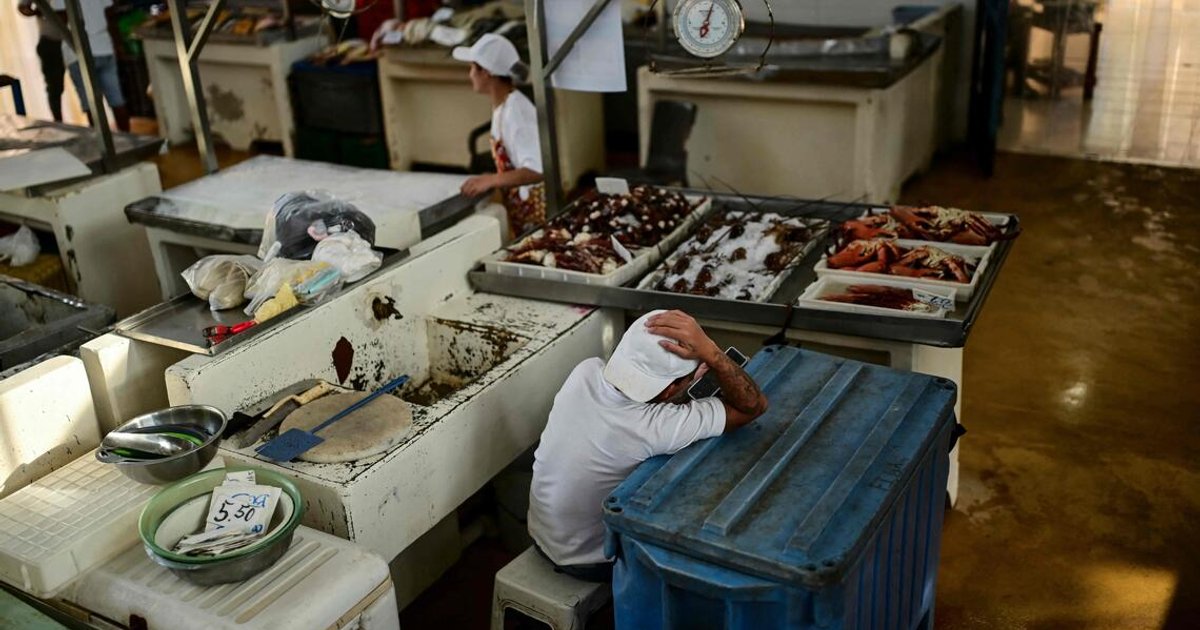
经济连锁反应 在巴拿马城,紧邻码头、供应全市超市的批发鱼市上,渔获不佳显而易见。
Economic ripple effect In Panama City, the poor catches are visible at a wholesale fish market next to the dock that supplies the city’s supermarkets.
“到货变少了,”46岁的摊贩卡洛斯·涅托说。有时捕获的鱼还“被高温损坏了”。涅托现在每月要花约600美元买冰,“几乎是一整份工资”。
“Less is arriving” off the boats, said Carlos Nieto, a 46-year-old vendor. And sometimes the catch is “damaged by the heat”, he said. Nieto now spends about US$600 a month on ice, “practically a whole salary”.
目前,巴拿马的摊贩尚未将成本上升和收入减少以大幅涨价的形式转嫁给消费者。
For now, vendors in Panama have not passed on their higher costs and reduced income to consumers in the form of significantly higher prices.
但在厄瓜多尔,这个仅次于泰国的世界第二大金枪鱼生产国,据业内人士称,因短缺,马希鱼(又称多拉多)和剑鱼的价格已翻倍。
But in Ecuador, the world’s second-largest tuna producer after Thailand, the prices of mahi-mahi (also known as dorado) and swordfish have doubled due to the shortage, according to the industry.
在圣罗莎,大海日益减少的馈赠产生连锁效应,导致港口沿线的餐饮摊位暂时关门。以剖鱼为生的弗朗西斯科·奥兰多担心很快会失业。
In Santa Rosa, the sea’s dwindling bounty has a knock-on effect, leading to the temporary closure of food stalls along the port. Francisco Orlando, who earns a living filleting fish, is worried that he could soon be out of a job.
“我们盼着他们(渔民)捕到鱼,”这位37岁男子一边磨剖鱼刀一边说。
“We’re hoping they (fishermen) catch fish,” the 37-year-old said as he sharpened his filleting knives.
“他们捕到了,我们就有活干;捕不到,我们就没活干。” 法新社
“If they do, we work. If they don’t, we don’t.”AFP