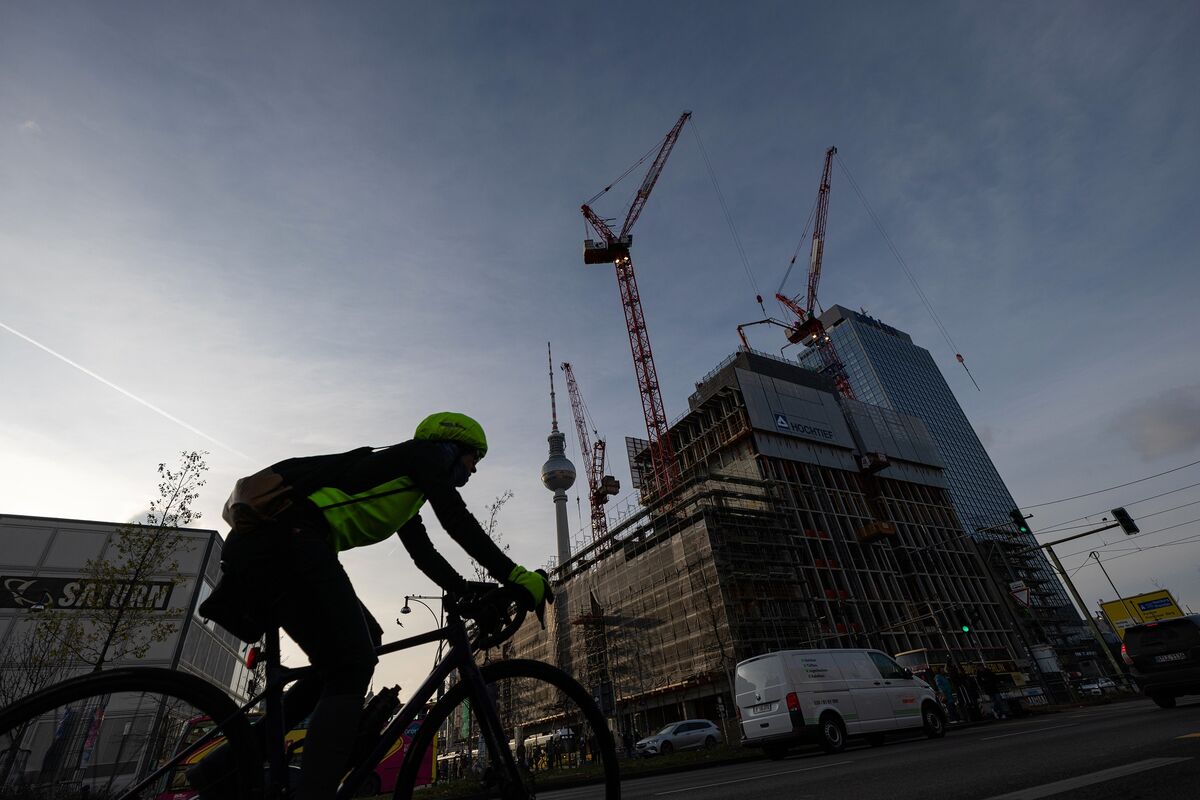
德国工业产出录得自去年3月以来最大增幅,延续了由公共基础设施和国防开支支撑的经济复苏。
German industrial production jumped the most since March last year, extending an economic recovery bolstered by public spending on infrastructure and defense.
8月产出环比增长2%,不仅抹平了上月的降幅,还远超彭博调查经济学家预期的0.5%增幅,且无一位经济学家预测到如此大的激增。
Output rose 2% in August, more than erasing a decline the previous month. Economists surveyed by Bloomberg had expected a 0.5% increase and none had predicted such a surge.
德国联邦统计局表示,产出增长主要由建筑业驱动,但即使剔除建筑和能源后的类别也录得有意义的增长。资本货物产出表现尤为强劲,而汽车制造业则有所回落。
The increase in production was driven by construction, although even the category that strips that out along with energy showed a meaningful gain. Capital goods output was particularly strong, while auto manufacturing retreated, the German statistics office said.
这些数据将为欧洲最大经济体带来安慰,因为其正努力重振增长。政府正在基础设施和国防上投入数十亿欧元以巩固势头,这些努力在近几个月既推动又抑制了工厂订单。
The figures will provide reassurance in Europe’s largest economy as it strives to reinvigorate growth. The government is spending billions of euros on infrastructure and defense to to bolster momentum, efforts that have both propelled and depressed factory orders in recent months.
8月需求暴跌逾10%,此前6月和7月曾录得稳固增幅。降幅最陡峭的是运输设备类别(含军用车辆、飞机、火车和船只),跌幅达62%左右。
In August, demand slumped more than 10% after solid gains in June and July. The sharpest drop, some 62%, was recorded in transport equipment, a category that includes military vehicles, aircraft, trains and boats.
这一跌绊不太可能使德国的反弹脱轨。制造商手握创纪录的相当于九个月产量的订单积压,经济学家预计增长将从今年的1%加速至2028年的1.2%。
That stumble is unlikely to derail Germany’s rebound. Manufacturers are looking at a record backlog of nine months worth of work, and economists expect growth to pick up from 1% this year to 1.2% in 2028.
该国领先研究机构甚至更为乐观,将2026年预测上调一倍多至1.3%。
The country’s leading research institutes are even more optimistic and more than doubled their 2026 forecast to 1.3%.
8月产出的增加无视了夏季度假季工厂人员减少的影响(汽车工厂通常此时减产)以及莱茵河低水位对煤炭、燃料和工业原材料关键航运通道的阻碍。
The increase in output in August defied the impact of reduced factory staffing during the summer vacation season, when car plants typically rein in production, and low Rhine water levels that impaired transport along a key shipping route for coal, fuel and industrial commodities.
上半年强劲的出口需求和人工智能支出抵消了疲软的投资和消费,此后的商业调查指向势头延续。伊朗战争和高昂能源成本仍是可能拖累增长的风险。
Robust demand for exports and spending on artificial intelligence offset weak investment and consumption in the six months through June, and business surveys since then have pointed to continued momentum. The Iran war and high energy costs remain risks that could weigh on growth.