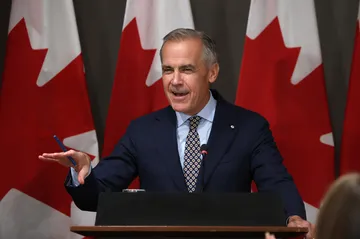
唐纳德·特朗普总统对加拿大发起的贸易战,正让总理马克·卡尼得以全力推动一项工业议程——而这项议程在几年前恐怕会引发严重分歧。
President Donald Trump’s trade war against Canada is allowing Prime Minister Mark Carney to press the gas pedal on an industrial agenda that would have been deeply divisive just a few years ago.
由于美国关税政策尚无结束迹象,这位前央行行长将重点放在了清除投资障碍上,包括废除前任政府制定的规定,并赋予政府新的强大权力,以加快基础设施和能源项目的推进。
With no end to US tariffs in sight, the former central banker has focused on clearing obstacles to investment, including unwinding rules brought in by his predecessor and giving the government strong new powers to accelerate infrastructure and energy projects.
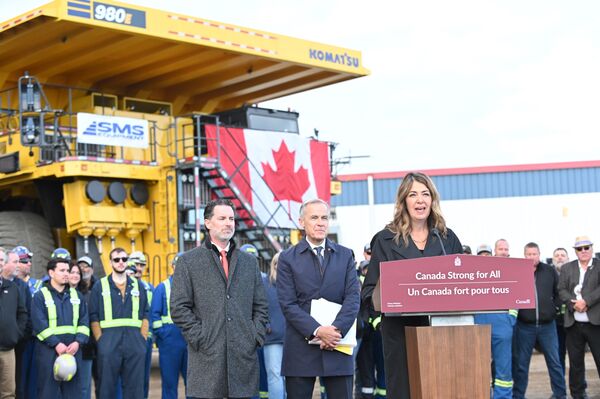
卡尼的首要目标是一条通往西海岸的新石油管道。该管道上周被指定为“国家利益项目”,实际上意味着在满足若干条件的情况下已获预先批准。他的政府还在推动全面的监管改革,卡尼称这是加拿大一代以来最雄心勃勃的基建能力改革。
Carney’s top target has been a new oil pipeline to the west coast, which was designated a project of national interest last week, effectively deeming it pre-approved, subject to a number of conditions. His government is also pursuing a sweeping regulatory overhaul, which Carney described as the most ambitious reform to Canada’s ability to build in a generation. He’s drawing on a deep well of political capital as he moves forward.
在推进这一议程时,他动用了深厚的政治资本。今年秋季,他的支持率创下新高,民意调查显示,他的计划获得了广泛支持——至少目前是如此。
His approval ratings have hit new highs this fall, and surveys show broad support for his plans — at least for now. Business leaders, at first skeptical of Carney’s pledge to make Canada an energy superpower and loosen Justin Trudeau’s regulations that stifled resource development, are increasingly getting on board and praising the prime minister’s pro-investment policies.
商界领袖起初对卡尼将加拿大打造为能源大国、以及放宽贾斯廷·特鲁多政府压制资源开发的监管措施的承诺持怀疑态度,但现在他们正逐渐认同这一方向,并称赞总理的亲投资政策。
In a span of less than two weeks, Carney held the country’s first investment summit, announced a major new tax break for capital spending, and introduced legislation to reform the project approval process and make it easier to end labor strikes.
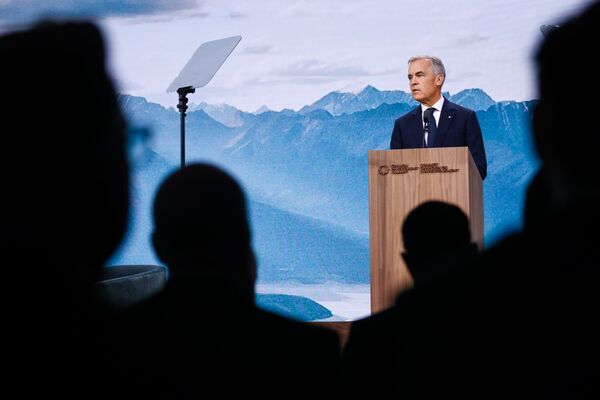
在不到两周的时间里,卡尼举办了该国首届投资峰会,宣布了一项针对资本支出的重大减税政策,并提出了改革项目审批流程、简化结束罢工程序的立法。
“I called it 12 days of Christmas for the oil and gas sector,” said Heather Exner-Pirot, director of energy, natural resources and environment at the Macdonald-Laurier Institute.
“我称之为油气行业的‘12天圣诞节’,”麦克唐纳-劳里尔研究所能源、自然资源与环境主任希瑟·埃克斯纳-皮罗特说道。但并非所有人都沉浸在节日的喜悦中。
But not everyone is in the holiday spirit. Critics argue Carney’s new legislation risks fraying Indigenous relations, degrading the environment and further politicizing the project approval process by allowing the government of the day to pick and choose the projects it wants to green light.
批评人士认为,卡尼的新法案有损与原住民的关系、破坏环境,并进一步将项目审批流程政治化,因为它允许当权政府自行挑选想要批准的项目。
“It’s a tectonic change in the way the federal government engages with review and approval of major projects. And overall, it’s mostly significant steps backwards on numerous fronts from an environmental protection perspective,” said David Wright, an associate professor of law at the University of Calgary.
“这是联邦政府参与重大项目审查与审批方式的根本性转变。从环境保护的角度来看,总体而言,这在许多方面都是显著的倒退,”卡尔加里大学法律副教授戴维·赖特表示。
Bill C-39, known as the Building Canada Strong Act, would cut the timeline for federal decisions on all projects to one year.
《C-39号法案》,即《建设强大加拿大法案》,将联邦政府对所有项目的决策期限缩短至一年。该法案还要求各部门进行同步评估而非依次评估,并加强协调,确保每个项目只需经过一次审查。这项立法是在去年政府通过旨在加速审批被认定为符合国家利益的重大项目的《C-5号法案》基础上制定的。但《建设强大加拿大法案》的作用远不止简化申请流程。
It would also require departments to conduct concurrent rather than sequential assessments, with increased coordination so each project faces only one review. The legislation builds on Bill C-5, a law the government passed last year to fast-track major projects deemed to be in the national interest. But the Building Canada Strong Act does much more than just streamline the application process. It would allow the government to pre-approve projects, subject to conditions, in areas that it designates as regions of national interest.
该法案允许政府在指定为国家利益区域的地方,有条件地预先批准项目。政府表示,只有在经过评估,明确允许在该区域开展的活动类型及所需采取的缓解措施后,某个地区才能获得这一指定。
The government says an area would only get that designation after an assessment to identify the types of activities it would allow there and mitigation measures it would require. The legislation would also give ministers more discretion over individual projects, allowing them in some instances to order work to begin before a project is approved and alter or waive environmental conditions attached to it.
该立法还将赋予部长们在具体项目上更大的裁量权,在某些情况下,他们可以在项目获批前下令开工,并修改或免除项目附带的环境条件。
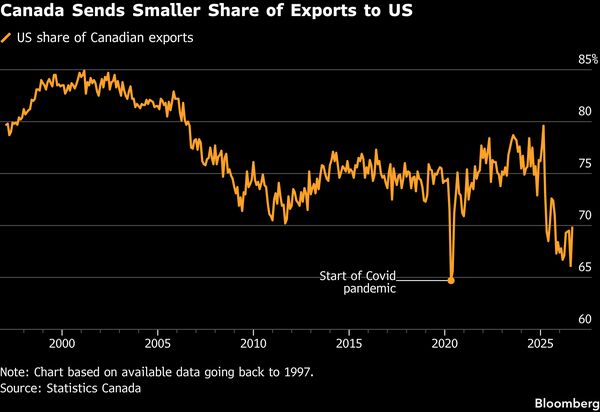
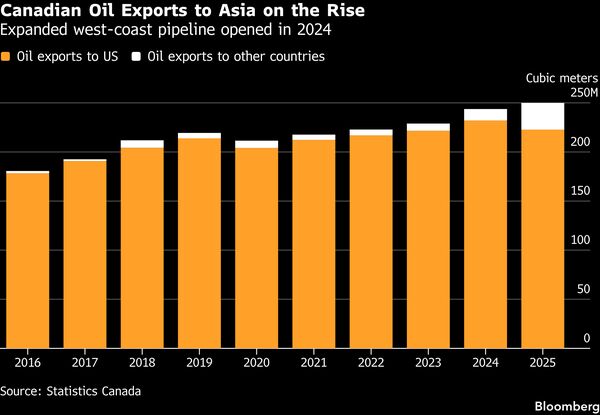
Expanding Canada’s energy and trade infrastructure is integral to Carney’s plan for the country to diversify away from the US, which was the destination for 85% of Canadian energy exports last year.
扩大加拿大的能源和贸易基础设施,是卡尼推动国家摆脱对美国经济依赖、实现多元化发展计划的关键。去年,加拿大85%的能源出口都流向美国。卡尼为他的监管改革辩护称,他当选的目的正是让加拿大重新投身于建设事业。
Carney has defended his regulatory reforms, arguing he was elected to get Canada back in the business of building. “Decade after decade, year after year, we built less. We added more and more restrictions,” Carney said last month. “We identified that issue at a time of great risk for our country, when our sovereignty was threatened and to some degree continues to be threatened.”
“几十年过去了,年复一年,我们的能源生产却在不断减少;同时,我们却不断增加各种限制措施,”卡尼上个月表示。“我们在国家面临巨大风险的时候意识到了这个问题——当时我们的主权受到了威胁,而且这种威胁至今仍在持续。”
Carney took the reins of Canada’s Liberal Party from Trudeau last year and has radically changed its energy policy. Exner-Pirot attributes the shift in large part to trade tensions with the US “shaking us out of our complacency” and highlighting that natural resources are the “lowest-hanging fruit for diversifying trade relationships.”
卡尼去年从特鲁多手中接过了加拿大自由党的领导权,并彻底改变了该党的能源政策。埃克斯纳-皮罗特认为,这一政策转变在很大程度上是由于与美国的贸易紧张关系“让我们摆脱了自满的心态”;她指出,自然资源是“多元化贸易关系中最容易利用的资源”。另一个推动因素是商品价格的上涨。地缘政治紧张局势以及数据中心行业的蓬勃发展都在推动能源需求的增长,而这些趋势对加拿大能源企业来说无疑是个福音。
The other factor, she said, is the upswing in commodity prices. Geopolitical tensions and a data center boom are both putting upward pressure on energy demand, trends that have already proven to be a boon for Canadian energy companies. “You could only have Justin Trudeau be the prime minister of Canada in a commodities downswing. And in an upswing, the cost of not liking oil and gas in Ottawa are too high,” she said. The bill also gives the government more say in pipeline approvals before federal assessments are completed.
“只有在商品价格下跌的时候,贾斯汀·特鲁多才有可能成为加拿大总理;而在商品价格上涨的情况下,反对在加拿大开发石油和天然气资源的成本实在太高了,”她说。
For pipelines that would add more than 300 kilometers (186 miles) of new route, the Canada Energy Regulator will be required to submit a report to cabinet on the project within six months of receiving the application.
该法案还赋予政府在联邦评估完成之前对管道建设项目拥有更大的决策权。对于那些新建管道长度超过300公里(186英里)的项目,加拿大能源监管机构必须在收到申请后的六个月内向内阁提交相关报告;如果内阁批准该项目,该机构将继续进行评估,以确定应附加哪些条件。
If cabinet gives the go-ahead, the CER would then continue its assessment to decide which conditions should be attached. “I just don’t think you can actually have an effective review of a proposal within six months,” George Vegh, the former board chair of the Canada Energy Regulator, said in an interview.
“我认为在六个月内根本无法对一个提案进行有效的审查,”加拿大能源监管机构的前主席乔治·维格在接受采访时说道。
Vegh said one challenge with a shorter review is that it can take time to consult Indigenous communities, which often want to hire their own experts to assess the proposals.
维格指出,缩短审查周期的一个主要挑战在于需要与原住民社区进行协商,而这些社区通常希望聘请自己的专家来评估相关提案。
Bill C-39 would allow the government to extend a project review if it’s necessary for Indigenous consultations.
根据C-39法案,如果需要进行原住民咨询,政府有权延长项目的审查时间。
Vegh said elements of the new legislation, such as increased coordination of federal permits, will improve the process.
维格(Vegh)表示,新立法中的某些条款(如加强联邦许可程序之间的协调)将有助于改善项目审批流程。然而,他同时指出,该法案仍然存在一个重大问题:最终决策权仍掌握在内阁手中,这可能会影响项目审批的公正性。
However, the bill entrenches a major pitfall of project reviews by keeping ultimate decision-making power in the hands of cabinet, he said. “If you want a predictable process, you should know what the rules are. They should be binding and not designed for the benefit of specific projects,” Vegh said.
“如果你希望审批流程具有可预测性,就必须明确相关规则;这些规则应该是具有约束力的,而不是为特定项目的利益而制定的。”维格说。
A poll by Abacus Data and Vantage found two-thirds of Canadians want major projects built faster, but appetite is weaker for shortening environmental reviews or approving projects without Indigenous support.
根据Abacus Data和Vantage联合开展的一项民意调查,三分之二的加拿大人希望大型项目的建设速度能够加快;但人们对缩短环境评估程序或在没有原住民支持的情况下批准项目的意愿相对较低。
Environmental advocates are concerned.
环保人士对此表示担忧。例如,该法案允许那些可能对鱼类造成伤害的项目的支持者向相关基金捐款,而非自行承担这些项目的环境影响责任。此外,决策者还必须考虑他们提出的任何附加条件的“技术可行性、经济可行性和实际操作可行性”。
For example, the bill would allow proponents of projects that would harm fish to pay into a fund instead of offsetting the impact themselves. Decision-makers would also be required to consider the “technical, economic and practical feasibility” of any conditions they add. “Bill C-39 is not thoughtful reform,” said Charlie Hatt, director of climate at Ecojustice, an environmental law charity.
“C-39法案并非一项经过深思熟虑的改革措施,”环保法律慈善机构Ecojustice的气候问题负责人查理·哈特(Charlie Hatt)指出:“这项法案实际上为大型石油和天然气项目的推进铺平了道路,而这些项目只会加剧已经危害我们健康、威胁我们社区的极端天气问题。”
“This bill helps clear the way for massive oil and gas projects that will only worsen the extreme weather already harming our health and threatening our communities.”