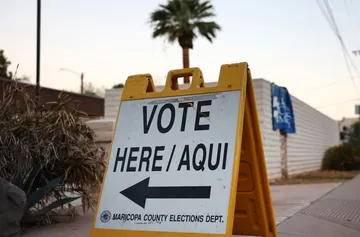
举一结束,关于此次选举的经验教训以及对2028年的影响的讨论就会随即展开。不过有一点结论已经毋庸置疑:拉丁裔群体如今已成为美国的新关键摇摆选民。
Almost as soon as next month’s elections are over, arguments will begin about the lessons and implications for 2028. But one conclusion is already undeniable: Latinos are America’s new swing voters.
如果民主党能在11月赢得国会控制权,很大程度上要归功于那些曾在2024年大量支持特朗普的拉丁裔选民如今纷纷转而反对他。反之,如果民主党不在经济与移民这两个领域采取果断措施,这些选民在2028年仍有可能再次倒向其他阵营。
If Democrats win control of Congress in November, it will be in large part because the Latino voters President Donald Trump captured in historic numbers in 2024 have abandoned him. And if Democrats don’t act decisively on two fronts — the economy and immigration — these voters will be up for grabs again in 2028.
拉丁裔人口占美国总人口的20%以上,且越来越多的人对两大政党均缺乏忠诚度。在最近几次中期选举中,拉丁裔选民都以较大优势支持民主党。在2024年之前的总统选举中情况也是如此,但那一年特朗普却史无前例地获得了48%的拉丁裔选票。
Latinos make up more than 20% of the US population, and a growing number are demonstrating little allegiance to either party. In the last several midterm elections, Latino voters have supported Democrats by sizable margins. That was also true of presidential elections until 2024, when Trump captured a historic 48% of their vote.
这些选民被特朗普吸引,主要是因为他承诺缓解他们的经济困境。然而,许多拉丁裔从事的行业都依赖跨境贸易,比如建筑业、农业和制造业;如今这些行业却深受特朗普制定的不合理关税政策的影响,再加上食品、汽油和医疗费用的持续上涨,他们的生活压力愈发沉重。
These voters were drawn to Trump primarily by his promise to ease their economic frustrations. But many Latino voters work in industries that rely on cross-border trade — construction, agriculture and manufacturing — and are squeezed by Trump’s ill-conceived tariffs and the inflated costs of groceries, gasoline and healthcare.
周日发布的NBC/Telemundo民调显示,74%的拉丁裔选民不认可特朗普的经济治理方式,78%的人对他处理生活成本问题的方式表示不满。同一天发布的CBS News/YouGov民调也显示,74%的西班牙裔选民对特朗普应对通货膨胀的措施持负面态度。
An NBC/Telemundo poll released Sunday found that 74% of Latino voters disapprove of Trump’s management of the economy and 78% disapprove of the way he’s handled cost-of-living concerns. A CBS News/YouGov poll also released Sunday found 74% of Hispanic voters disapproved of his handling of inflation.
正如2024年大量不同地区、性别、年龄及原籍地的选民都转而支持特朗普一样,今年也有大量类似背景的选民开始背离他。不过,如果认为这些选民会永远支持民主党,那就大错特错了。
Just as the movement toward Trump in 2024 cut across regions, genders, age and country of origin, so does the movement away from Trump this year. But it’s a mistake to assume these voters’ allegiance to Democrats is permanent.
民调显示,拉丁裔选民愿意支持个别民主党候选人,但与此同时也显示出“整体上他们正逐渐疏远各政党”的趋势。从事拉丁裔选民政治倾向研究近二十年的政治顾问迈克·马德里德指出。他预测,他所称的“拉丁裔民粹主义”今后将成为“美国民主制度的一个显著特征”。
Polls show Latino voters willing to support individual Democrats, but they also show “a broad movement away, institutionally, from the parties,” says Mike Madrid, a political consultant who has been chronicling the shifting alignment of Latino voters for nearly two decades. He predicts that what he calls “Latino populism” will be “a defining characteristic of American democracy” going forward.
最常见的民粹主义类型便是经济民粹主义。事实上,多项民调均表明,在经济议题上拉丁裔选民更倾向于支持民主党而非共和党。不过,若民主党希望进一步吸引拉丁裔选民,就必须主动主导关于移民问题的讨论——在他们看来,移民问题的重要性仅次于经济。
One of the most common strains of populism is economic, and in fact poll after poll shows Latino voters favoring Democrats over Republicans on the economy. But if the Democratic Party wants to deepen its appeal to Latino voters, it needs to start owning the debate over the issue they see as second only to the economy: immigration.
至少有两名民主党人士正在从道德层面阐述移民对美国未来的重要性,以及特朗普政府的反移民政策为何会拖累经济发展。
At least two Democrats are making the moral case for the importance of immigration to the future of the country and why Trump’s anti-immigration crackdown is a drag on the economy.
在德克萨斯州,参议员候选人詹姆斯·塔拉里科做了党内少有人敢做的事:他主张为移民提供更多合法途径以在该国生活和工作。在艾奥瓦州,参议员候选人乔什·图雷克虽表示希望实现“边境安全”,但也呼吁为移民设立获得公民身份的途径,尤其是在这个人口增长极为缓慢的州。如今,美国移民及海关执法局频繁将建筑工地、养老院及农场上的工人强行驱逐出境,此类事件已不再能登上新闻头条。
In Texas, Senate candidate James Talarico is doing something few in his party have dared to do: Make the case for “more legal pathways” for immigrants to live and work in the country. In Iowa, Senate candidate Josh Turek has said he wants a “safe and secure border” but has also called for a “pathway to earn citizenship, especially in a state where you have very little population growth.”There are now so many incidents of workers being summarily removed from construction sites, nursing homes and farms by ICE agents they no longer generate headlines.
由于本届政府实施了不加区分且不人道的政策,数百万移民至今仍处于法律身份不明的状态。虽然共和党的做法显然过激,但民主党在此问题上的作为也远远不够。
Millions of immigrants live in legal limbo because of the administration’s indiscriminate and inhumane policies. But while Republicans have clearly gone too far, Democrats have mostly fallen short.
政策研究机构Unidos近期对全美范围内来自两党的3,000名拉丁裔选民进行了调查,调查范围涵盖全国及32个竞争激烈的国会选区。结果显示,尽管选民们最关心的议题是经济民生问题,但他们也希望听到有关移民政策的讨论。今年9月,美国商业移民联盟与美国家庭联盟对多个关键摇摆州的拉丁裔选民进行的调查显示,63%的受访者将移民待遇问题视为最重要的议题之一。
A recent survey by the policy and research firm Unidos of 3,000ed Latino voters of both parties, nationally and across 32 competitive congressional districts, found that while their top priorities in November are pocketbook issues, they also want to hear about immigration. In a September survey of Latino voters in battleground states for the American Business Immigration Coalition and American Families United, 63% cited the treatment of immigrants as one of their top issues.
总体而言,拉丁裔选民普遍认为当前的移民体系存在严重缺陷。在共和党人中,有64%的人支持为长期滞留美国的无证移民发放工作许可及合法身份;独立选民中这一比例达68%,民主党人则高达85%。超过70%的受访者支持实施一项新政策:在加强边境安全的同时,为数百万有稳定工作且通过背景审查的长期无证移民提供合法身份。
Overall, Latino voters say the immigration system is broken — and 64% of Republicans, 68% of independents and 85% of Democrats support providing work permits and legal status for long-term undocumented residents. More than 70% support a new policy to strengthen border security while providing work permits for millions of long-term undocumented immigrants who are working and can pass a background check.
“大多数曾投票给特朗普的拉丁裔选民原本认为,他只会重点驱逐那些有暴力犯罪记录或近期才入境的人,”研究机构Equis的高级研究总监玛丽亚·伊莎贝尔·迪弗兰科·基诺内斯在最近的新闻发布会上说道。
“The majority of Latino voters who supported Trump believed that he was going to narrowly focus deportation efforts on people with violent criminal backgrounds and on people who had recently arrived to the country,’’ said María Isabel Di Franco Quiñonez, a senior research director for the research firm Equis, on a recent call with reporters.
然而这些选民如今意识到,他们的信任被辜负了。特朗普并未着手修复边境管控与混乱的移民体系,反而将驱逐目标对准了那些遵纪守法的长期在美工作者、孩子的父母以及美国公民的配偶。
These voters have now come to realize that trust was misplaced. Instead of fixing the border and repairing the dysfunctional immigration system, Trump has focused on deporting parents, long-time and law-abiding workers, and the spouses of US citizens.
Unidos负责拉丁裔选民事务的副总裁克拉丽莎·马丁内斯·德卡斯特罗表示,该机构曾与各地社区组织共同举办多场意见听取会,发现一个普遍存在的担忧:尽管美国80%的拉丁裔都是本国公民,但他们“时常遭受骚扰与虐待”。
Unidos has held listening sessions around the country with community-based organizations and heard a consistent concern, said Clarissa Martínez De Castro, vice president of its Latino Vote Initiative: They are “constantly subjected to harassment and abuse,” she said, even though eight in 10 Latinos in the US are citizens.
休斯敦信息技术公司Precision Task Group的首席执行官马西·比利亚雷尔上月对记者表示,他以及许多熟人都会随身携带美国护照,以防遭遇移民与海关执法局的检查。他补充道:“我们这些西班牙裔选民已经忍无可忍了。”比利亚雷尔是由250名商界、宗教界、政界及社区领袖组成的跨党派联盟的成员,该联盟上月联合签署了一封公开信,要求美国政府为长期滞留的非法移民制定切实可行的解决方案。
Massey Villarreal, the CEO of Houston-based information technology firm Precision Task Group, told reporters last month that he and many people he knows carry their US passports in case they encounter ICE. “We, the Hispanic voters, are fed up,’’ he added. Villarreal is part of a bipartisan coalition of 250 business, religious, political and community leaders who last month signed a letter demanding Washington find working solutions for long-term undocumented immigrants.
“你们建起了边境墙,但能不能有人把门修好呢?因为目前的出入境系统已经失灵了,”全美西班牙裔基督教领袖会议副主席托尼·苏亚雷斯牧师说道。他表示,拉丁裔领袖们深知自身所具有的政治影响力:“我们不会消失。”对民主党而言,忽视这一现实无疑是愚蠢之举。当前的问题并非缺乏政策解决方案,而是缺乏政治决心。
“You built the wall, but can someone please fix the door? Because the entry exit system is broken,’’ said Pastor Tony Suarez, vice president for the National Hispanic Christian Leadership Conference. Latino leaders, he said, are aware of their political clout: “We’re not going away.” It’s a reality Democrats would be foolish to ignore. The challenge is not a lack of policy solutions. It’s a question of political will.