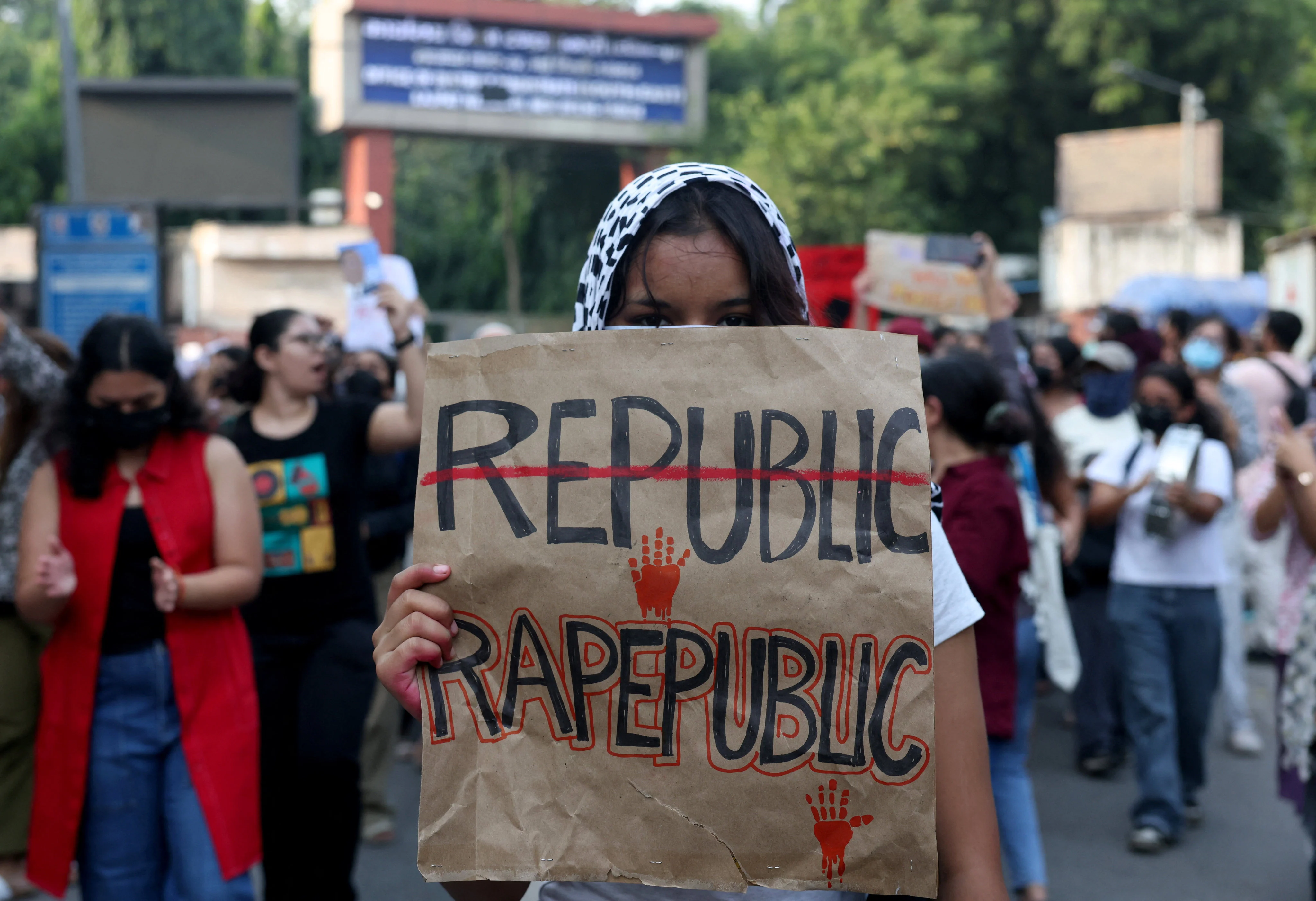
2012年,新德里发生了一起骇人听闻的集体强奸谋杀案:一名医学院实习生在乘坐私人巴士时遭到袭击,这一事件在全国范围内引发了强烈抗议,最终导致四名凶手被处决。这件事促使她的老师在课堂上提及这起案件,以提高学生对女性安全的重视。
Bhavya Gupta was a Grade 4 student when the 2012 horrific gang rape and murder of a medical college intern who was on a private bus in New Delhi, which sparked nationwide outrage and led to the execution of four attackers, prompted her teacher to mention the case in class to raise awareness about women’s safety.
“老师把所有女生叫到教室里,向我们讲述了这件事。从那以后,我们学校的校服从裙子改成了裤子。我还记得周围的大人们以一种责备受害者的方式谈论这起事件,他们质问她为什么会在晚上和男性一起外出,仿佛她自己也负有责任,”现年25岁的Bhavya Gupta说道。Gupta目前是一名从事媒体工作的专业人士,居住在印度首都新德里。
“My teacher gathered all the girls in the classroom and told us about it, and after that our school uniform changed from skirts to pants. I also remember adults around me talking about the case in a victim-blaming way, asking why she was out so late with a guy, as if she was partly at fault,” said Gupta, who is now a 25-year-old communications professional based in the Indian capital.
这名23岁的受害者后来因伤势过重不幸身亡。根据印度法律,她的名字无法被公开,因此人们给她起了“Nirbhaya”(意为“无畏的人”)这个称号。这场悲剧对印度政治产生了深远影响,分析人士认为当时的执政党国大党在地方和全国层面的失利都与这起案件有关。
The victim, 23, who later died from her injuries, was dubbed Nirbhaya – the fearless one – as she could not be named under Indian law. The political fallout from the tragedy was swift, with analysts attributing the then ruling Congress Party’s losses at the local and national levels to the case.
十四年后,又一起针对17岁女孩的集体强奸案以及其他多起类似案件再次引发人们对于印度社会是否真正进步的质疑。上个月,在新德里南部一个著名的公园(该公园靠近著名的Lady Shri Ram学院)发生的这起事件再次引发了街头抗议,人们强烈要求加强女性安全保护措施。
Fourteen years later, another gang rape of a 17-year-old girl, along with a string of other similar cases, has raised questions about whether the country has progressed from the Nirbhaya case. The incident last month in a prominent South Delhi park, close to the prestigious Lady Shri Ram College, prompted street protests expressing outrage and calling for enhancement of women’s safety.
观察人士指出,繁琐的法律程序以及男性主导的社会观念(这些观念不尊重女性的权利)导致了女性权益的不断受损。他们警告说,这些被曝光的案件仅仅是冰山一角;最初的全国性抗议浪潮过后,人们的记忆逐渐消退,使得这种恶性循环持续存在。
Observers say legal red tape and a male-dominated mindset that fails to respect women have led to their rights and safety being eroded. They warn that the reported cases are only the tip of the iceberg, and short memory after the initial national outrage has perpetuated the vicious cycle.
古普塔表示:“情况变得更糟,而非好转。我无力改变整个体制,因此专注于自己能够掌控的方面。我避免夜间外出,不去偏僻或照明不足的区域,每次出行时都会向父母分享我的实时位置。”德里当局正在考虑实施安全措施,包括限制夜间进入公共公园。拉迪·什里·拉姆学院在事件发生后已将课程转为线上进行,此举引发了关于其应对措施是否适当的争论。
“Things have got worse, not better,” Gupta said. “I am not in a position to fix the system, so I focus on what I can control. I avoid going out at night, I do not go to isolated or poorly lit areas, and I share my location with my parents whenever I travel.”Delhi authorities are mulling implementing security measures, including restricting access to public parks after dark. Lady Shri Ram College has shifted classes online after the incident, triggering debate on whether its measures are appropriate.
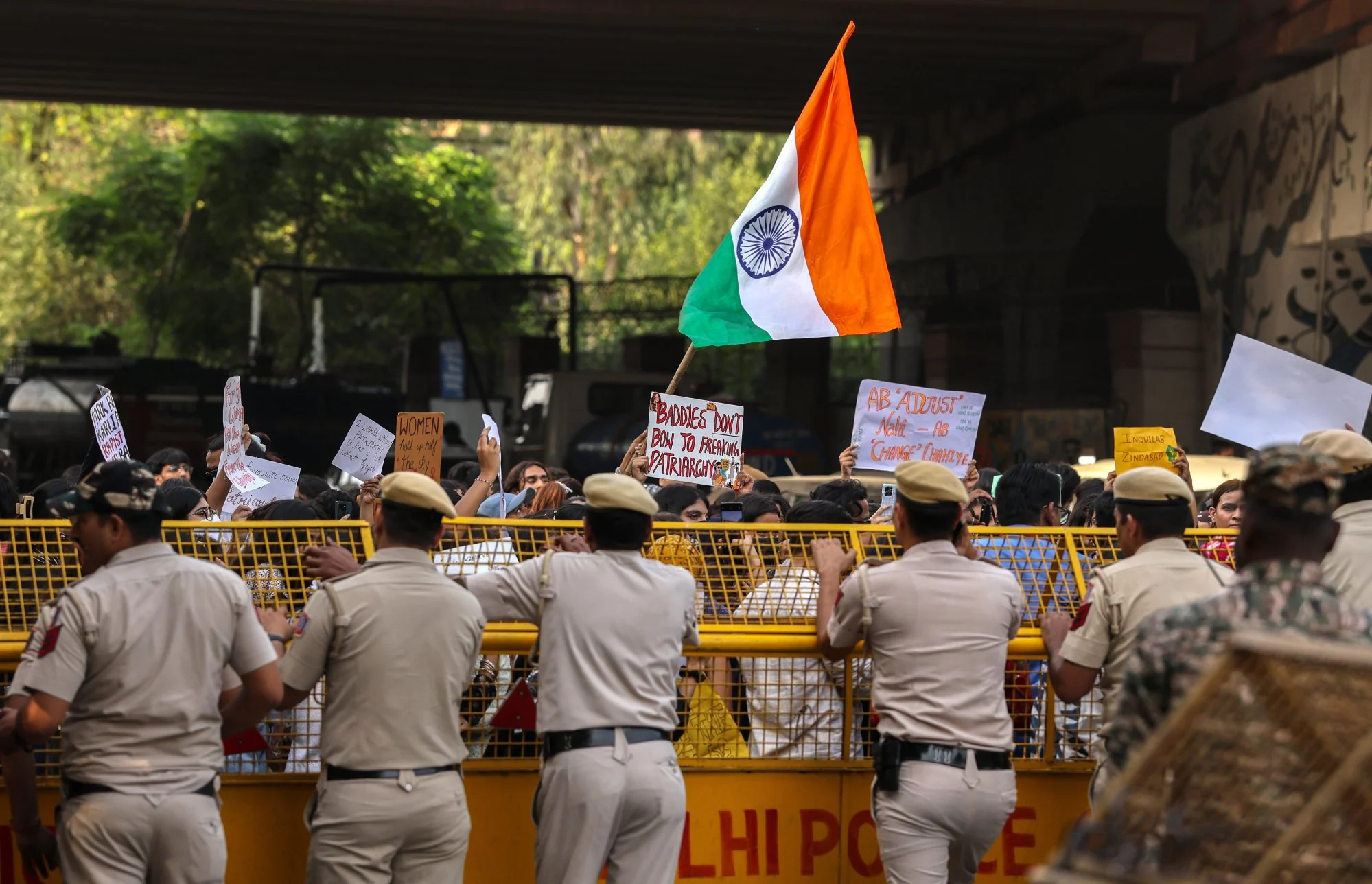
周一,印度最高法院呼吁采取更强有力的措施,以防止首都针对女性的犯罪。
On Monday, the Supreme Court called for stronger measures to prevent crimes against women in the capital.
法院表示:“我们必须确保德里国家首都辖区的每一位女性都感到安全,无论是晚上十点步行,还是乘坐地铁或道路出行。”
“We must ensure that every woman in National Capital Territory Delhi feels safe, whether walking at 10pm or travelling by metro or road,” the court said.
在公园事件之前,德里近期还发生了三起针对未成年女孩的袭击事件,其中包括上个月一名16岁女孩遭轮奸并遇害的案件。
Three other recent assaults on minor girls in Delhi preceded the park incident, including the gang rape and murder of a 16-year-old girl last month.
抗议者指出,在具有里程碑意义的“尼尔巴亚案”之后通过的更严厉惩罚措施,并未切实改善女性在地面上的安全感,数据显示印度每天报告的强奸案件超过80起。
Protesters point out that stronger punishments passed after the landmark Nirbhaya case have failed to improve safety for women on the ground, with data showing more than 80 reported rapes daily across India.
D&Y律师事务所合伙人迪维娅·斯瓦米表示,尽管自2012年以来执法工作有所改善,但女性每天仍不得不做出自我保护的决定,例如避开被认为不安全的区域。
Divya Swamy, a partner at D&Y Law Chambers, said that while there had been some improvement in law enforcement since 2012, women still had to make decisions to protect themselves daily, such as avoiding areas deemed unsafe.
她表示,法律修订扩大了可依法惩处的相关行为范围。“但审判过程本身对受害者而言负担过重,这通常导致犯罪报案率低。”斯瓦米称,最新的抗议活动“重新点燃了关于女性安全的讨论”,且针对女性的侵害行为“比我们已知的更为普遍”。
Legal changes had expanded the range of related actions punishable under the law, she said. “But the trial process itself is so burdensome for the victim that it usually leads to low reporting [of crimes].”The latest protests had “reignited the discourse around women’s safety”, Swamy said, and that violations against women were “more common than we know”.
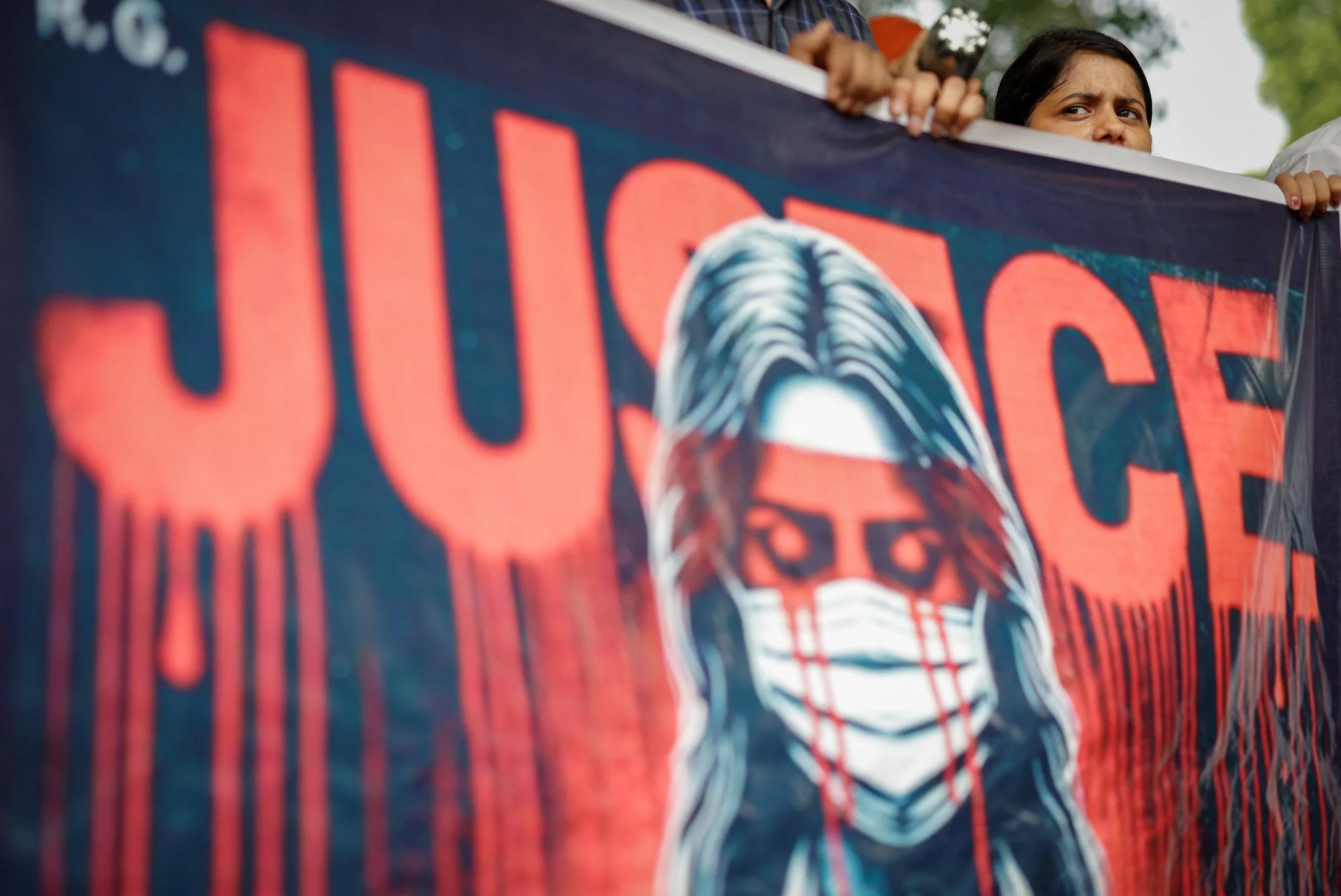
律师、反歧视咨询公司萨马纳中心创始人阿帕娜·米塔尔表示,强奸和性侵犯案件数量持续居高不下,导致许多女性在印度感到不安全。
Aparna Mittal, a lawyer and founder of Samana Centre, a leading anti-discrimination consultancy, said the persistently high number of rape and sexual assault cases had led to many women feeling unsafe in India.
“如果看看实际案例,很遗憾,这类事件在印度每天都在发生。我们还必须记住,许多此类事件并未被上报,因此官方统计的数字其实低于实际发生的数量,”她警告道。
“If you look at the cases, they are unfortunately happening every day in India. We must also remember that many such cases go unreported, so the official numbers we see are lower than the actual cases that occur,” she warned.
米塔尔指出,尽管反对性别暴力的和平抗议活动正在进行,但负责预防、调查与惩处的国家机制及机构却未能“充分且及时地发挥作用”。
While peaceful protests against gender-based violence are happening, the state machinery and institutions tasked with prevention, investigation and punishment are not “functioning adequately or timely”, according to Mittal.
“许多女性难以成功提交报警记录,尤其是当施暴者拥有深厚的社会关系网且身份显赫时。调查过程往往存在诸多漏洞,而由于种种原因,司法判决也总是迟迟无法下达,”她补充道。
“Many women struggle to their police complaints, especially when the perpetrators are well-connected and privileged. The process of investigation is often marred with loopholes, and judicial verdicts are inevitably delayed because of a multitude of reasons,” she added.
据米塔尔介绍,从个人体验来看,孟买和班加罗尔等城市比德里相对安全,但即便在这些地方,“也无法保证女性的绝对安全”。
Anecdotally, some cities such as Mumbai and Bengaluru were safer than Delhi, but even in these places there was “no guarantee of women’s safety”, Mittal said.
“就我个人而言,在孟买和班加罗尔可能会比在德里更有安全感。在孟买,晚上11点我还能乘坐当地出租车,但在德里我绝对不会这么做。”为了推动改变,米塔尔呼吁彻底扭转国内“男权至上的思维模式”。
“Personally, I may feel safer in Mumbai and Bengaluru than Delhi. In Mumbai, I can take a local cab at 11pm, but in Delhi, I will never do it.”To bring about changes, Mittal called for a transformation away from the “patriarchal mindset” in the country.
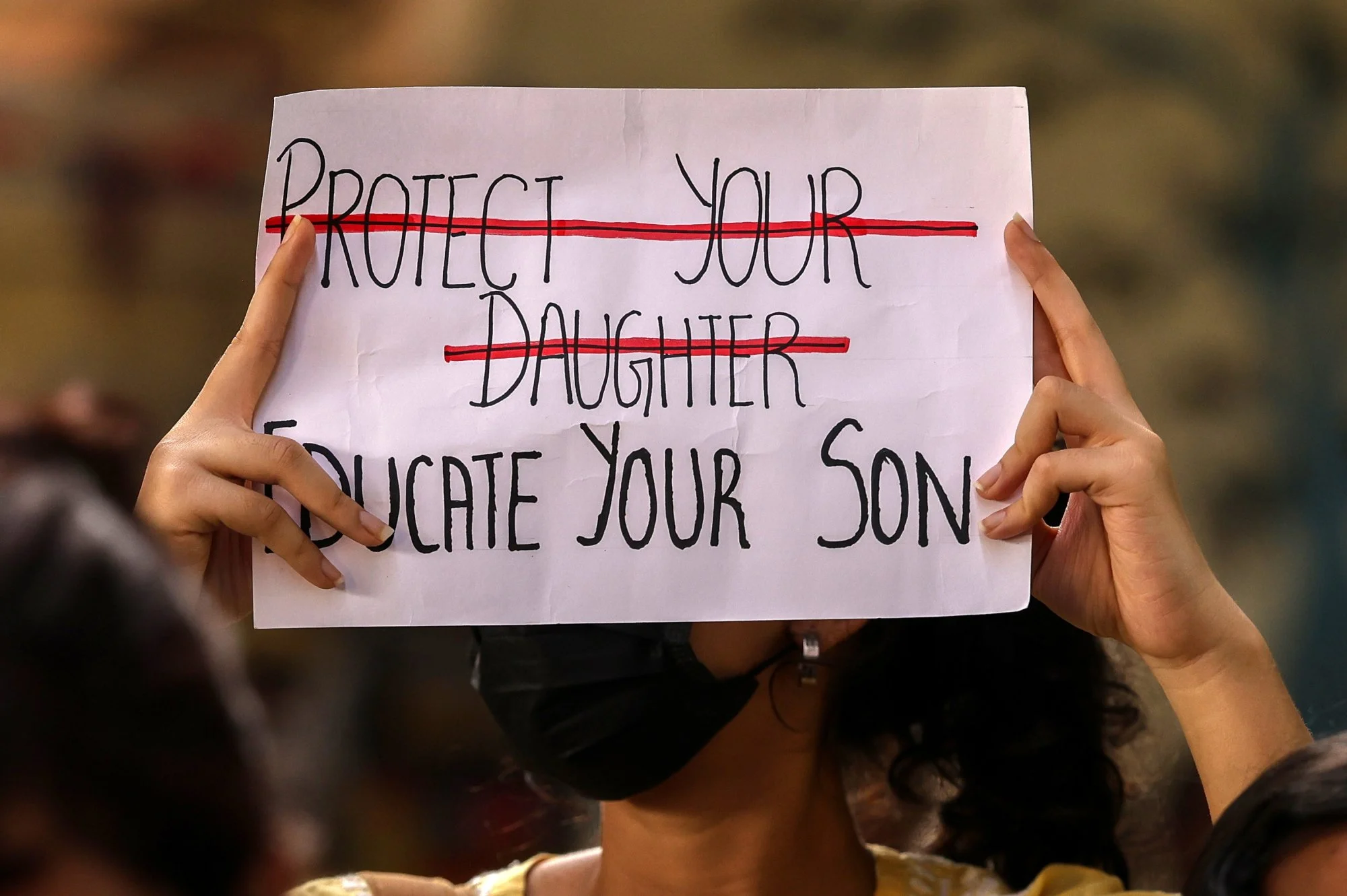
“所有这些教育必须从幼儿园和家庭开始——要尊重女性、将女性视为平等的个体,绝不能以过度性化的眼光看待女性,”她说道。
“All this learning has to start in nursery schools and homes – respecting women, treating women as equals, and not looking at women in an over-sexualised manner,” she said.
米塔尔还举例说明,印度的男权社会导致企业认定女性不适合担任高层管理职务;社交媒体上也常有网友因女性的着装选择而对她们进行“身材羞辱”。
Mittal cited how India’s patriarchal society had led companies to assume that women were not good enough for top management and people on social media “body-shaming” women over their choice of attire.
古普塔也深知社会对女性的偏见。她回忆道,有一次深夜独自乘坐从德拉敦市前往德里的巴士,行程出现长时间延误,当时她急切地寻找其他女性乘客,只为获得一丝安全感。
Gupta is aware of the societal bias against women. She recounted how she was alone at night when she experienced a long delay on a bus journey between the city of Dehradun and Delhi and frantically looked for another female passenger to feel safe.
古普塔称,当时她戴了一只铁制手镯,相信它能驱邪避害,在遭遇危险时还能当作防身武器使用。
She wore an iron bracelet that she believed could ward off evil and act as a standby weapon if she was facing danger, Gupta said.
“根据我所处的环境,我会用一件长袖外套或围巾来遮盖自己穿的衣服。这并不是出于自愿,而是因为我意识到自己的穿着方式可能会影响到是否会被骚扰。”——比曼·穆克吉(Biman Mukherji)
“Depending on where I am, I will cover up with a long shrug or [scarf] over what I am wearing, not because I want to, but because I have learned that how I dress can affect whether I get harassed.”