中美两国的科技公司正采取不同的方式将人工智能智能体(AI agents)推向大众市场,这是目前行业最新关注的焦点。OpenAI最近发布的“dots”和Meta的Muse都是围绕助手功能构建,然后让其访问其他公司的网站和服务。
US and Chinese tech companies are taking differing approaches to bring AI agents to the masses, the industry’s latest fixation. OpenAI’s recently released dots and Meta’s Muse are built around the assistant first and then sent out to use other companies’ websites and services.
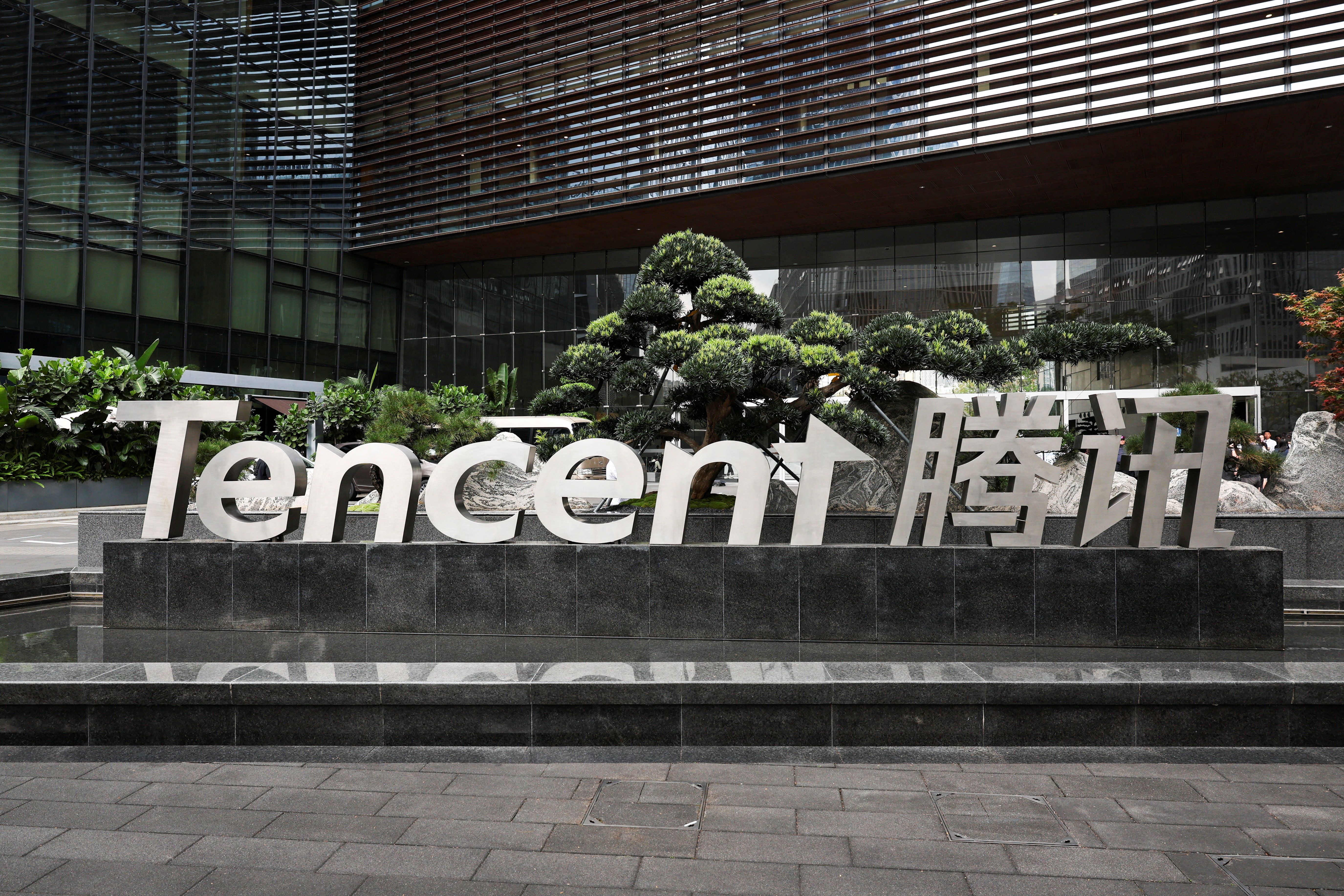
中国的同行,包括内置在超级应用微信中的腾讯小微,例如可以直接在已经入驻该应用的商家处下单。对于微信和支付宝这类中国消费者日常生活中广泛使用的封闭系统来说,这是一个显而易见的应用场景。
Chinese counterparts, including Tencent’s Xiaowei — which is built into super-app WeChat — can, for example, place orders from businesses that are already on the app. It’s an obvious use for closed systems like WeChat and Alipay, which Chinese consumers already use for much of daily life.
《Hello China Tech》时事通讯指出,小微的策略可能无法转化为实际收入:腾讯无法从交易中获得新的手续费,而且早期测试显示它还会出错。这就引发了一个问题:超级应用策略是否会限制中国智能体能够达到的实用性?因为小微只能协助处理微信内部可用的事务,而其他中国平台已经封锁了来自外部的智能体。
Xiaowei’s strategy may not translate into revenue, the Hello China Tech newsletter wrote: Tencent earns no new fees from purchases, and early tests show it making mistakes. It begs the question whether the super-app strategy limits how useful Chinese agents can become since Xiaowei can only assist with what’s available inside WeChat, and other Chinese platforms have blocked agents from outside.
Muse和dots的体验也未必完美,鉴于Muse已经被亚马逊屏蔽,且两者都需要用户授权访问私人系统,但它们的流行已经表明市场正在密切关注。— J.D. Capelouto
Muse and dots may not be a seamless experience either, given Muse has already been blocked by Amazon and both require users to turn over access to private systems, but their popularity already suggests markets are watching closely. — J.D. Capelouto