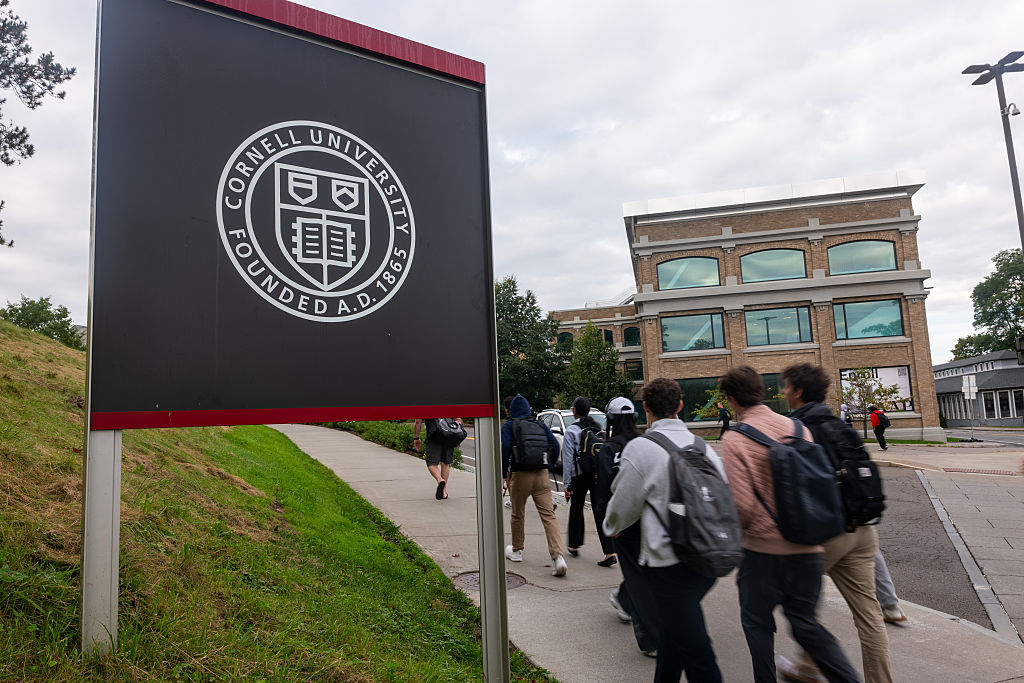
如今,大多数父母可能都读过一两篇关于2024年康奈尔大学校园内一个兄弟会会所中,一名年轻女子与七名年轻男子涉嫌发生袭击事件的文章。
By now, most parents have likely read an article or two about the alleged assault involving a young woman and seven young men that took place at a fraternity on the Cornell campus in 2024.
自从这起事件曝光以来,我听到许多人问:“怎么会发生这种事?”我也看到全国范围内的讨论几乎完全集中在“性同意教育”上,仿佛这就是答案。我们是否足够早地教孩子关于性同意的知识?我们的教学方式是否正确?坦率地说,我认为这样的讨论并不完整。
Since the story broke, I’ve heard a lot of people ask, “How could this have happened?”I’ve also seen the national conversation focus almost entirely on consent education as the answer. Are we teaching consent early enough? Are we teaching it right? Frankly, I think that’s an incomplete conversation.
我认识的大多数父母都和自己的儿子谈过性同意的问题。我在儿童游乐场里也听到过适合不同年龄段的类似教育。学校也在教授这一内容——这本就应当如此。
Most parents I know have had the consent talk with their sons. I hear age-appropriate versions of it on the playground. Schools teach it. They should.
问题在于,到了2026年,任何实施性侵犯的男性几乎肯定都明白“性同意”的含义,只是他们决定这并不适用于自己。
The issue is, in 2026, any man who commits sexual assault almost certainly knows what consent means and has simply decided it doesn't apply to him.
我们的儿子知道什么是性同意。真正的问题在于:他们是否懂得如何变得勇敢?了解性同意是一回事,而真正践行它则是另一回事。
Our sons know about consent. The real question is: Do they know how to be brave? Knowing about consent is one thing—living by it is another.
我们对这起骇人事件的集体愤怒,大多集中在“康奈尔七人”身上,但我在夜里辗转难眠时,想的却是那个兄弟会群聊中另外五十多名年轻男子。据报道,他们收到了一条邀请他们加入袭击的讯息,随后群聊中的回复也随着夜晚的深入而愈发堕落。
Much of our collective outrage about this horrific case has been focused on the “Cornell 7,” but I lay awake at night thinking about the more than 50 other young men in that fraternity group chat. They reportedly received a message inviting them to join the assault, followed by replies that grew more depraved as the night went on.
我们不知道他们每个人当时看到了什么、做了什么,也不知道为何迟迟没有人站出来干预。一些法律专家认为,那些没有参与的人不应被追究刑事责任,因为他们没有法律上的干预义务。
We don't know what each of them saw or did, or why it took so long for anyone to step in. Some legal experts argue those members who didn’t can't be charged with a crime, because they had no legal duty to intervene.
我发自内心地相信,我的儿子绝不会成为那间卧室里的七名男孩之一。我猜大多数男孩的母亲也和我一样充满自信。然而,我仍不得不恐惧地承认,我无法控制他们是否会收到类似那个群聊中的讯息。那些致力于将儿子培养成好男人的母亲们,也和我有着同样的担忧。但我们无法将他们与周围的文化完全隔绝。而我认为,我们至今仍未采取足够的措施来改变这种文化。
I trust in my heart that my sons would never be one of the seven boys in that bedroom. And I would guess most boy moms share my confidence. Still, I’m terrified to admit that I cannot control whether they will ever receive messages like the ones that appeared in that group chat. Moms dedicated to raising boys to be good men share my fear. But we cannot shield them from the culture around them. And I simply don’t think we have done enough to address that culture.
多年前,我在一场TED演讲中提出,我们教育男孩要勇敢,而教育女孩则要追求完美。我还写了一本书,鼓励女孩们多承担风险。当时我默认男孩们已经具备勇气了。“他们没问题,”我常对自己说。结果却发现,我们教给他们的,是错误类型的勇敢。
Years ago, I gave a TED talk arguing that we raise our boys to be brave and our girls to be perfect. I wrote a book urging girls to take more risks. I assumed boys had bravery covered. “They’re good,” I’d say to myself. Turns out we were teaching them the wrong kind of bravery.
我们常常告诉年幼的男孩,勇气意味着身体上的冒险:跑更快、跳得更远、爬得更高。而“男性圈”(manosphere)则兜售着一种更危险的观点:力量意味着蛮力,真正的男人无需向任何人负责。这两种观念都没有为男孩们提供应对那个最艰难时刻的指引——当他们必须开口说话时。
Too often, we tell young boys that courage means physical risk: run faster, jump further, climb higher. The manosphere sells an even more dangerous version: that strength means brute force and a real man answers to no one. Neither of these stories leaves boys with a script for the moment when the hardest thing to do is use their voice.
勇敢并不总是令人愉悦的。勇敢意味着说出可能毁掉一段友谊的话。它可能让人感觉被拒绝,有时甚至听起来像在告状。没有戏剧性的音乐,也没有人鼓掌。你甚至可能会怀疑,自己做的正确选择,是否其实是个错误。
Bravery doesn't always feel good. Bravery is saying the thing that will cost a friendship. It can feel like rejection. It sometimes sounds like tattling. There’s no dramatic music. Nobody claps. You may even question if the right thing to do was the wrong choice.
男性气质危机是真实存在的。而这场危机,正是我们参与制造出来的。多年来,我们花了大量时间教导年轻男性“不该做什么”,却花得太少时间教导他们“当别人做错时该怎么做”。
The masculinity crisis is real. And it’s a crisis of courage that we helped create. We spent years teaching young men what not to do, and too little time teaching them what to do when someone else is doing it.
我们不能只强调“不要伤害任何人”。我们的儿子需要听到这样的信息:如果看到有人即将造成伤害,我们期待他们会采取行动。他们也需要练习,因为没有人会在深夜和同龄人聊天时,第一次就找到表达自己声音的勇气。
We have to preach more than "don't hurt anyone." Our sons need to hear that if they see someone about to cause harm, we expect them to act. They need practice, too, because nobody finds their voice for the first time late at night in a group chat with their peers.
所以,不妨在餐桌上练习吧。问问你的儿子,如果发生那样的事,他会在聊天框里输入什么,又会打电话给谁。告诉他,你知道他有能力变得勇敢。告诉他,你宁愿他失去朋友,也不愿他失去品格。如果我们希望他们学会勇敢,我们自己也必须勇敢。
So practice at the dinner table. Ask your son what he would type in that chat, and who he would call. Tell him you know he is capable of being brave. Tell him you would rather he lose his friends than his character. If we want them to learn bravery, we have to be brave, too.
如果你是一位母亲,同时也是性侵犯的幸存者,并且已经准备好分享自己的经历,请考虑也把你的故事讲给儿子们听,而不仅仅是女儿们。几代以来,这些对话都集中在教导女孩“不该做什么”。我们的男孩们同样需要听到母亲们的故事。
If you are a mom and a survivor of sexual assault and feel ready to share your story, consider telling your sons, as well as your daughters. For generations, these conversations have focused on teaching girls what not to do. Our boys need to hear their mothers’ stories, too.
爸爸们,你们也有故事可以分享。告诉你们的儿子,你们曾为明知不对的事情而发笑,或者在朋友越界时保持沉默。告诉他们当时的感受,以及你们希望自己能做些什么不同的事。
Dads, you also have stories to share. Tell your sons about the time you laughed along at something you knew was wrong, or stayed quiet when a friend crossed a line. Tell them how it felt and what you wish you'd done differently.
我们可以让他们明白,勇敢并不总是令人愉悦,发声也可能很艰难,但这两种选择都比后悔要好。
We can show them that bravery doesn't always feel good and speaking up can be hard, but both feel better than regret.
《康奈尔日报》的学生记者们——包括一位名叫Cereese Qusba的高年级学生,她花了23个月进行这项调查——向我们展示了这一点。他们不断向自己的大学提出尖锐的问题,因为他们知道,正确的道路往往也是最艰难的道路。我希望我们的男孩们长大后能明白,情况通常就是如此。
Student journalists at The Cornell Daily Sun, including a senior named Cereese Qusba who spent 23 months on her investigation, showed us what this looks like. They kept asking hard questions of their own university, knowing that the right path was the hard path. I want our boys to grow up knowing that’s usually the case.
在某个地方,一个男孩即将读到一条让他作呕的消息。我希望他能有足够的勇气,不只是关掉屏幕。
Somewhere, a boy is about to read a message that turns his stomach. I want him to be brave enough to do more than turn his screen off.