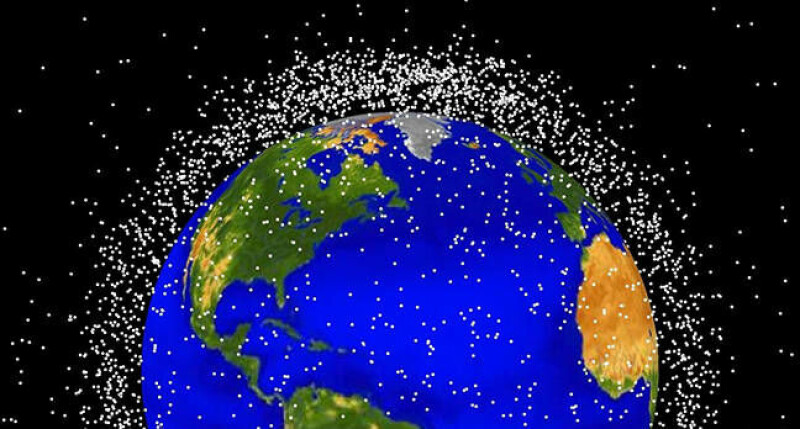
SpaceX 已承认卫星运营商之间需要合作以避免碰撞,并采取了一项不同寻常的措施,即共享显示航天器彼此接近程度的图像。该公司呼吁其他运营商共享其卫星的星历数据(一套描述航天器随时间变化的位置和速度的参数),以便及时执行规避机动。该公司写道:“2026 年,Starlink 与约 650 颗需要执行机动操作的第三方卫星发生了交会,但其中只有大约一半实际共享了星历数据。”
SpaceX has acknowledged the need for satellite operators to collaborate to avoid collisions and has taken the unusual step of sharing imagery showing how close spacecraft are coming to each other. The company has called on other operators to share their satellites' ephemeris (a set of parameters describing the position and velocity of a spacecraft over time) to facilitate timely avoidance maneuvers. "In 2026," the company wrote, "Starlink encountered conjunctions with about 650 unique maneuvering third-party satellites, with only about half of them actually sharing ephemeris.
“一些运营商出于担忧,认为共享即将进行的机动操作会泄露专有信息,因此不愿共享星历数据。在其他情况下,运营商虽然愿意共享数据,却无法获得政府的许可。”“此类政策适得其反,基本上只会制造本可避免的卫星碰撞风险。”该公司接着写道:“在六个月的时间里,Starlink 观测到了约 16.4 万次交会,其中最近接近时间(TCA)发生在未提前通报的机动操作之后四小时以内。”
"Some operators don't share ephemeris out of a concern that sharing upcoming maneuvers gives away proprietary information. In other circumstances, operators are willing to share data, but are unable to receive permission from the government to do so. "Such policies are counterproductive, and largely only serve to create preventable collision risk between satellites." "Over six months," the company went on, "Starlink observed ~164,000 conjunctions where time of closest approach (TCA) was within four hours after an unannounced manoeuvre.
“尽管并非所有这些交会都属于高风险情况,但它们代表了 Starlink 可能缺乏足够信息来可靠规避其他航天器的案例,尤其是当其他运营商的操作导致高风险交会时。”“在许多情况下,缺乏高精度机动后的轨道信息可能导致此类交会未被察觉,从而让运营商产生虚假的安全感,并未意识到自身行为究竟带来了多大的风险。”
"While not all of these conjunctions were high-risk, they represent cases where Starlink would not have sufficient information to reliably avoid the other vehicle if the other operator’s action created a high-risk conjunction. "In many cases, the lack of high-accuracy post-manoeuvre trajectory information can cause such conjunctions to go unnoticed, giving operators a false sense of confidence and not realising how much risk their actions are creating."
“那到底有多少颗卫星来着?”这些内容本身都很有价值,但如果你考虑到 SpaceX 已经申请了运营 10 万颗 Starlink 卫星和多达 100 万颗 Starmind AI 卫星的许可,情况就不同了。这可以说对轨道过度拥挤问题做出了巨大贡献。不过别担心——根据 SpaceX 的说法,太空其实并不拥挤。“一个恰当的类比是航空旅行,”该公司写道。
How many sats is that again? It's all worthy stuff, until you consider that SpaceX has applied for permission to operate 100,000 Starlink satellites and up to 1 million Starmind AI satellites. Arguably that is a substantial contribution to orbital overcrowding. Not to worry though – space isn't really getting crowded, according to SpaceX. "A good analogy is air travel," the company wrote.
自航空业诞生以来,全球空域变得越来越拥挤。然而,航空旅行仍是地球上最安全的交通方式,部分原因在于每架飞机都会发布飞行计划,并在飞行过程中持续广播其位置。嗯,某种程度上是这样。不过,如果飞机相撞,残骸会迅速坠向地球,而不是悬浮在空中,几周或几个月后还可能撞上其他飞机。此外,SpaceX 还“贴心地”没有将其他轨道上的危险物计算在内,比如用过的火箭外壳和漆片。
"Airspace around the world has grown more congested since aviation began. Yet air travel is the safest form of transport on Earth in part because every aircraft publishes a flight plan and then continuously broadcasts its position during flight." Er, kind of. Although if aircraft collide, the debris falls rapidly to Earth, rather than lingering in the sky and potentially striking more aircraft weeks or months later. Plus, SpaceX is helpfully not counting other debris, from spent rocket casings to flakes of paint, that also pose a hazard in orbit.
该公司强调了自己的成功之处:星链卫星成功避开了其他航天器。2025年10月曾发生过一次这样的情况:另一颗卫星突然做出意外机动,使得原本预测的错过距离从9公里缩短到令人捏一把汗的57米。另一个例子发生在2026年8月,当时风险被发现得太晚,星链卫星无法及时避让,只能选择“低头”,通过调整姿态以呈现更窄的轮廓。
The company noted its successes, where Starlink satellites successfully dodged other vehicles. One in October 2025 occurred when the other satellite made an unexpected maneuver, reducing the predicted miss distance from 9 km to a bottom-clenching 57 meters. Another example happened in August 2026, when the risk was identified too late for the Starlink satellite to move out of the way, and the satellite had to "duck" instead, slewing to present a narrower profile.
“最终,这两艘航天器彼此之间的距离仅为134米,”该公司表示。“如果另一物体能提前共享其机动信息,本可以避免这种情况。”SpaceX 积极鼓励运营商访问 space-safety.com 等网站,并大力推广其 Stargaze 服务——该服务利用星链卫星群上的恒星追踪器来观测轨道附近的物体。这与2019年的情况截然不同:当时,由于 SpaceX 的待命呼叫系统存在漏洞,一颗星链卫星未能避开欧洲空间局(ESA)的 Aeolus 地球观测卫星。
"The vehicles ultimately passed within 134 metres of each other," the company said. "This approach could have been prevented if the other object shared its manoeuvre ahead of time." SpaceX was keen for operators to connect to sites such as space-safety.com and talked up its Stargaze service, which uses star trackers on the Starlink fleet to observe nearby objects in orbit. A far cry from 2019, when a Starlink satellite failed to move out of the way of the European Space Agency's (ESA's) Aeolus Earth-observation satellite due to a bug in SpaceX's on-call paging system.
事实上,具备监测和提供轨道交通建议能力的公司并不在少数。例如,Neuraspace 就是一家这样的公司。正如该公司首席执行官 Chiara Manfletti 所指出的,人类在保护地球上方这片空间方面,做得并不理想。
There is no shortage of companies with capabilities to monitor and advise on traffic in orbit. Neuraspace, for example, springs to mind. As the company's CEO Chiara Manfletti observed, humanity has not done a particularly good job of looking after the space above the planet.
尽管用于防止卫星碰撞的技术令人印象深刻,而且数据共享也值得鼓励,但我们不禁要问:是否另一种解决方案是,从一开始就不要向轨道发射数以万计的新卫星?曼弗雷蒂告诉《》杂志,这个问题确实非常严峻。她说:“随着卫星数量的增加,仅知道某个物体当前的位置已不再足够。机动能力正变得至关重要,而运营商也越来越需要及时、准确的信息,了解其他航天器计划到达的位置,包括其预定的机动操作。”
While the technology used to prevent satellite collisions is impressive, and data sharing should be encouraged, we can't help but wonder whether another solution might be to not launch tens of thousands more satellites into orbit in the first place. Manfletti told The that the problem was very real. She said, "As the number of satellites increases, knowing where an object is today is no longer sufficient. Manoeuvrability is becoming essential, and operators increasingly need timely, accurate information about where other spacecraft intend to be, including planned manoeuvres."
“像SpaceX的太空安全平台这样的举措当然值得欢迎。但长期解决方案不能依赖于所有运营商都加入同一家公司的系统。我们最终需要的是一个联邦化且互操作的太空交通生态系统,让运营商能够在不同平台、组织和国家系统之间安全地交换可信的轨道和意图信息。”“Neuraspace已主动联系SpaceX,代表我们的客户促成这种协调。我们已伸出橄榄枝,如果SpaceX能接受,这将是一个强有力的领导力信号——表明提升轨道安全最终不仅需要各平台内部的协作,更需要跨平台的合作。” ®
"Initiatives such as SpaceX's space-safety platform are certainly welcome. But the long-term solution cannot depend on every operator joining a single company's system. What we ultimately need is a federated and interoperable space-traffic ecosystem in which operators can securely exchange trusted trajectory and intent information across different platforms, organisations and national systems. "Neuraspace has reached out to SpaceX to enable such coordination on behalf of our customers. We have extended an open hand, and it would be a strong sign of leadership for SpaceX to take it — demonstrating that improving safety in orbit ultimately requires cooperation not only within individual platforms, but across them." ®