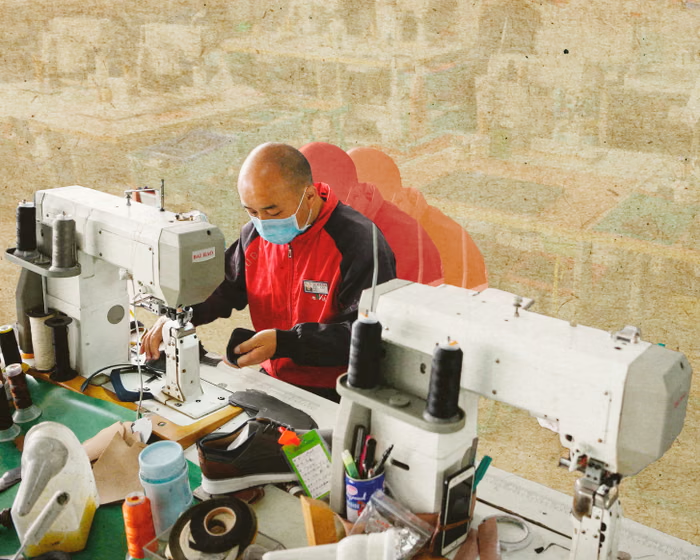
成长过程中,阿育常常看着父母在他们位于中国温州这座城市的三层住宅底层,手工缝制皮革鞋履。他们在欧洲的亲戚会寄来意大利设计师产品的照片,供工人们参考设计。在接下来的几十年里,这家原本由家庭经营的小作坊逐渐发展成了拥有700名员工的工厂。
Growing up, Ayu would watch his parents put together hand made leather shoes on the ground floor of their three storey home in the Chinese city of Wenzhou. Their relatives in Europe would send photographs of designer products from Italy for the workers to base their designs on, and in the decades that followed, the tiny family-run workshop transformed into a 700 person factory.
“工厂和家就是同一个地方。我看着他们用手一点一点地制作鞋子,还会使用一些小型机器,”阿育回忆道,他是在20世纪80年代目睹父母工作的。
“The factory and the home were the same place. I watched them make shoes by hand, piece by piece, using small machines,” Ayu recalls of watching his parents work in the 1980’s.
到80年代中期,中国经济学家们为这种自下而上的经济增长模式起了一个名字:温州模式。在这一体系下,小公司通过家族关系获取资金,并秘密设立工厂生产廉价商品,这些商品最终遍布中国乃至世界各地的繁华街头。
By the mid eighties, Chinese economists had a name for this type of bottom up economic growth story: the Wenzhou model. It was a system that saw small companies secure finances through family connections and operate underground factories to produce cheap goods that would end up on the busy streets of China and beyond.
然而如今,许多曾助力中国实现经济腾飞的家庭制造企业正面临传承危机——工厂主们的子女要么无法,要么不愿接手这些企业。
But now many of the family-run manufacturing businesses that helped to fuel China’s economic success are facing a succession crisis, with the children of factory owners unable or unwilling to take them over.
如今经营着一家线上电商平台阿育表示,并非他们这一代不想接手,而是与父母创业时相比,如今的市场竞争激烈得多,而曾经推动企业成功的关键制度性知识和商业关系,也难以传承下去。
Ayu – who today runs an online e-commerce platform – says it’s not that his generation doesn’t want to take them over, but that the market is much more competitive than when their parents started, and the crucial institutional knowledge and commercial relationships that powered their success will be impossible to pass on.
密苏里科技大学的副教授方汉清指出,个人关系、经验和直觉都很难传递给下一代。
Personal relationships, experience and instincts are difficult to hand over to the next generation, says Hanqing Fang, an associate professor at Missouri University of Science and Technology.
“股份可以一夜之间传给儿子或女儿,”方先生说,“但继承人却被要求接手一个表面上看似公司、实际上却更像是创始人个人物品的东西。”“这个网络非常难以继承,”阿玉说,“你必须自己建立它。最终,有些人继承的只是一个空壳。纸面上他们是老板,但下属们已经开始离去了。”“我们继承了财富,却无法继承产业。”
“Shares can be passed to a son or daughter overnight,” Fang says. “But the heir is being asked to take over something that looks like a company on paper but, in practice, is closer to the founder’s personal belongings.”“The network is very difficult to inherit,” Ayu says. “You have to build it yourself. In the end, some people inherit an empty shell. On paper they’re the boss, but the people underneath them have already begun to leave. “We inherited the wealth, but we couldn’t inherit the industry.”
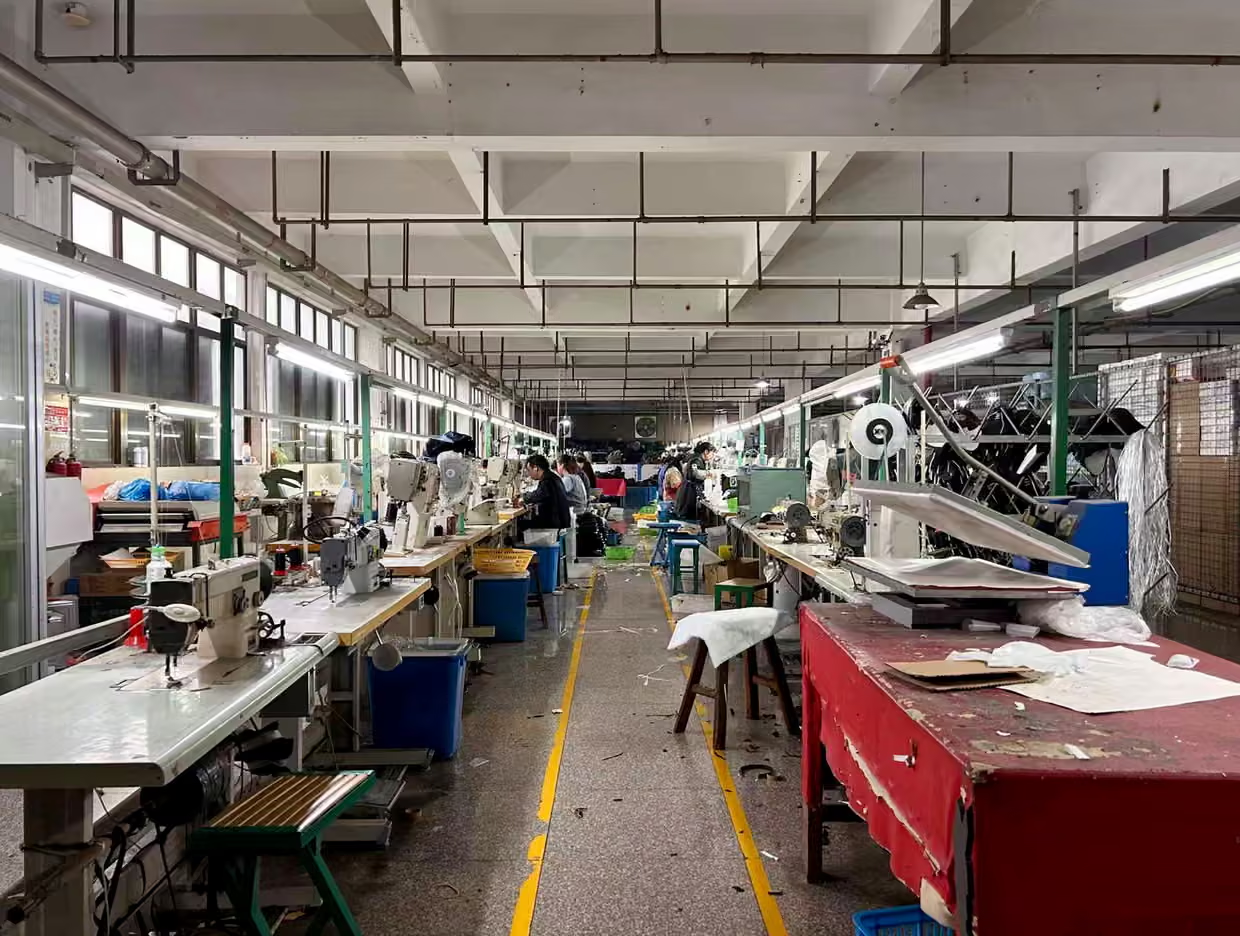
“我还没准备好,因为这并不容易。”根据汇丰人寿的研究,三分之二的中国富裕人群没有遗产规划。在一项由宁波大学主导的研究中,在调查的114家私营企业中,只有10家表示由家族第二代管理。中国的许多第二代企业主都表达了对接手家族企业的深切焦虑。
‘I’m not ready yet, because it’s not easy’ According to HSBC Life research, two-thirds of wealthy Chinese people have no legacy plan. In a study led by the University of Ningbo, just 10 out of 114 private companies surveyed said they were being managed by the families’ second generation. Many of China’s second generation business owners speak of a profound anxiety about taking over the family firm.
“我真的不想接手,因为有很多人际关系和财务联系需要我去处理和了解,”吴先生说道。他是一位在香港从事市场营销工作的毕业生。
“I really don’t want to take over because there are so many interpersonal relationships and financial connections that I’d have to handle and learn about,” says Wu, a graduate who works in marketing in Hong Kong.
他的家族在中国汕尾市拥有一家零食加工厂,以及在深圳和香港的数十家门店。但他却不愿加入家族企业。
His family own a snack processing factory in the Chinese city of Shanwei, as well as dozens of stores in Shenzhen and Hong Kong. But he is reluctant to join the family business.
“大多数年轻人都梦想一夜暴富,但我知道那根本不存在。继承财富时,还必须考虑所有复杂的文书工作,以及自己是否真的有能力承担这些责任,”吴先生说。
“Most young people dream of getting rich overnight, but I know there’s no such thing. When inheriting a fortune, you also have to consider all the complicated paperwork and whether you really have the ability to handle those responsibilities,” Wu says.
根据官方估计,中国的私营部门贡献了全国超过一半的税收和60%的GDP。经济学家表示,不成功的交接可能导致企业价值缩水甚至倒闭。
According to official estimates, China’s private sector accounts for more than half of the country’s tax revenue and 60% of its GDP. Economists say unsuccessful handovers can lead to firms losing value or even closing.
由于家族企业占中国私营部门的比重如此之大,如果成千上万家这样的企业失败,可能会威胁到国家的未来增长。
Because family-run companies represent such a large percentage of China’s private sector, if they fail in their thousands it could threaten the country’s future growth.
“风险并不在于这些家族企业会简单地消失,而在于创始人所具备的能力——包括专业知识、供应商网络以及人际关系——在交接过程中会随之流失,”方说。
“The risk is not that these family firms simply disappear. It is that the capabilities embedded in the founder – including the knowhow, the supplier networks and the relationships – are lost in the handover,” Fang says.
对于吴来说,有一天能够掌控家族企业并非完全不可能,但他承认自己仍有很多需要学习的地方。
For Wu, the idea of one day taking control of the family business is not completely out of the question, but he concedes he still has a lot to learn.
“我会说,总有一天我父母的公司会属于我。但我现在还没准备好,因为这并不容易,”吴说。
“I’d say that one day my parents’ company will be mine. But I’m not ready yet, because it’s not easy,” Wu says.
“如果我能只拿到钱而无需承担任何责任,我会毫不犹豫地接受。但问题是,事情并没有那么简单。”
“If I could just have the money without any responsibilities, I’d take it without hesitation. But the thing is, it’s not that simple.”