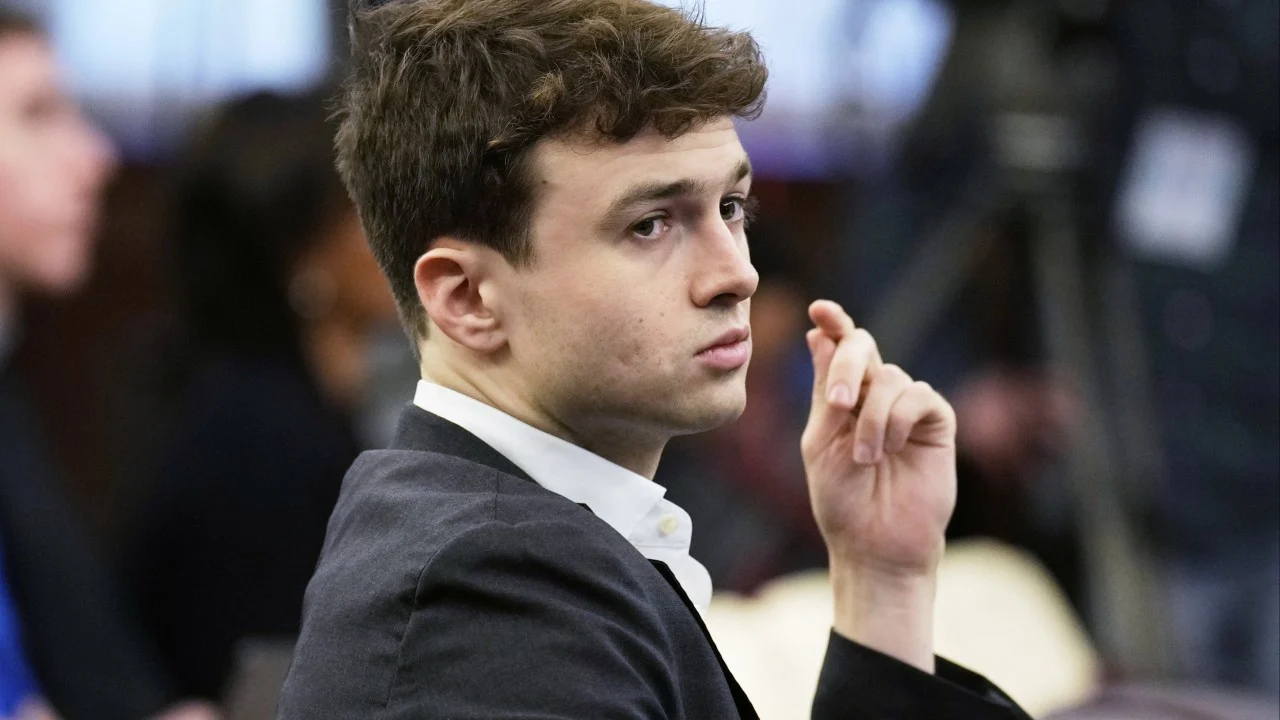
前Anthropic和OpenAI研究员雅各布·科克森(Jacob Coxon)声称,他90%确定中国已经在两家美国人工智能(AI)公司内部安插了间谍,但他并未提供任何证据。
Former Anthropic and OpenAI researcher Jacob Coxon said he was 90 per cent certain that China already had spies inside both US artificial intelligence (AI) companies, without providing evidence.
科克森在与企业家帕特里克·贝特-大卫(Patrick Bet-David)的PBD播客访谈中提出了这一指控,并辩称中国可以窃取美国领先AI实验室的进展,从而迅速缩小技术差距。
Coxon made the allegation in an interview with entrepreneur Patrick Bet-David on the PBD Podcast, arguing that China could steal advances from leading US AI labs and quickly close any technological gap.
科克森表示:“如果我们现在停下脚步,他们会试图追赶。但我认为人们没有意识到的一个非常重要的一点是,中国已经在OpenAI和Anthropic内部安插了间谍。”
“Right now, if we just stopped, they would try and catch up. But I think one really important thing people don’t realise is that China already has spies at OpenAI and Anthropic,” Coxon said.
“中国随时具备发动网络攻击的能力。即使我们取得领先,也不会形成巨大的优势。他们可以随时介入,窃取我们的进展并实现追赶。”
“China has the ability to hack at any time. If we pull ahead, that doesn’t give us a big lead. They can just step in, steal our progress at any time and catch up.”
当贝特-大卫询问他有多大把握认为中国间谍已经潜入这些公司时,科克森回答:“百分之九十。是的,几乎可以肯定他们已经做到了。”
Asked by Bet-David how certain he was that Chinese spies were already inside the companies, Coxon replied: “Ninety per cent. Yeah, it’s almost certain that they have.”
针对科克森的言论,中国科技政策与网络安全专家保罗·特里奥洛(Paul Triolo)在社交媒体上回应道:“抱歉,但这看起来非常不负责任。”科克森的言论也可能引发美国AI实验室内部的担忧,因为这些实验室严重依赖来自中国的 talent(人才)。
Reacting to Coxon’s comments on social media, Paul Triolo, an expert on China’s technology policy and cybersecurity, said: “Sorry, but this seems really irresponsible.”Coxon’s remarks could also raise concerns inside US AI labs, which rely heavily on talent from China.
根据智库MacroPolo的数据,中国研究人员占美国顶尖AI人才的38%,略高于美国人的37%。而在三年前,中国研究人员占美国顶尖AI人才的27%,美国人则占31%。
Researchers from China accounted for 38 per cent of the top AI talent working in the US, slightly ahead of Americans at 37 per cent, according to the MacroPolo think tank. Three years earlier, Chinese researchers represented 27 per cent of top AI talent in the US, compared with 31 per cent for Americans.
这些言论发表之际,正值华盛顿和北京同意在习近平主席对美国进行国事访问期间,启动一项聚焦于该技术“风险与收益”的人工智能对话,下一轮对话定于11月举行。双方还同意建立“双边沟通渠道”,以讨论与人工智能相关的事件。
The comments come days after Washington and Beijing agreed to launch an AI dialogue focused on the technology’s “risks and benefits” during Chinese President Xi Jinping’s state visit to the US, with the next round scheduled for November. The two sides also agreed to establish a “bilateral communication channel” to discuss AI-related incidents.
科森曾在OpenAI和Anthropic从事预训练研究长达三年,他于9月辞去Anthropic的职务,并警告称,这两家公司正朝着自我改进型AI的方向竞赛,却未能充分应对相关风险。
Coxon, who spent three years working on pre-training research at OpenAI and Anthropic, resigned from Anthropic in September, warning that the two companies were racing towards self-improving AI without adequately addressing the risks.
他在9月于社交媒体上写道:“那些构建AI的人们真诚地相信,到本十年末,AI可能会让我们所有人丧命。”
“The people building AI earnestly believe that it could kill us all by the end of the decade,” he wrote on social media in September.
他的辞职和言论引起了广泛关注,并引发了关于顶尖AI实验室是否充分应对安全问题的讨论,同时也有呼吁放慢研发进度的声音。
His resignation and comments drew widespread attention and sparked debate over whether leading AI labs were adequately addressing safety concerns, along with calls to slow development.
然而,特朗普政府以中美在AI领域存在全球性竞争为由,拒绝了放慢发展的呼吁。
However, the Trump administration has rejected calls to slow down, citing the global competition with China for AI dominance.
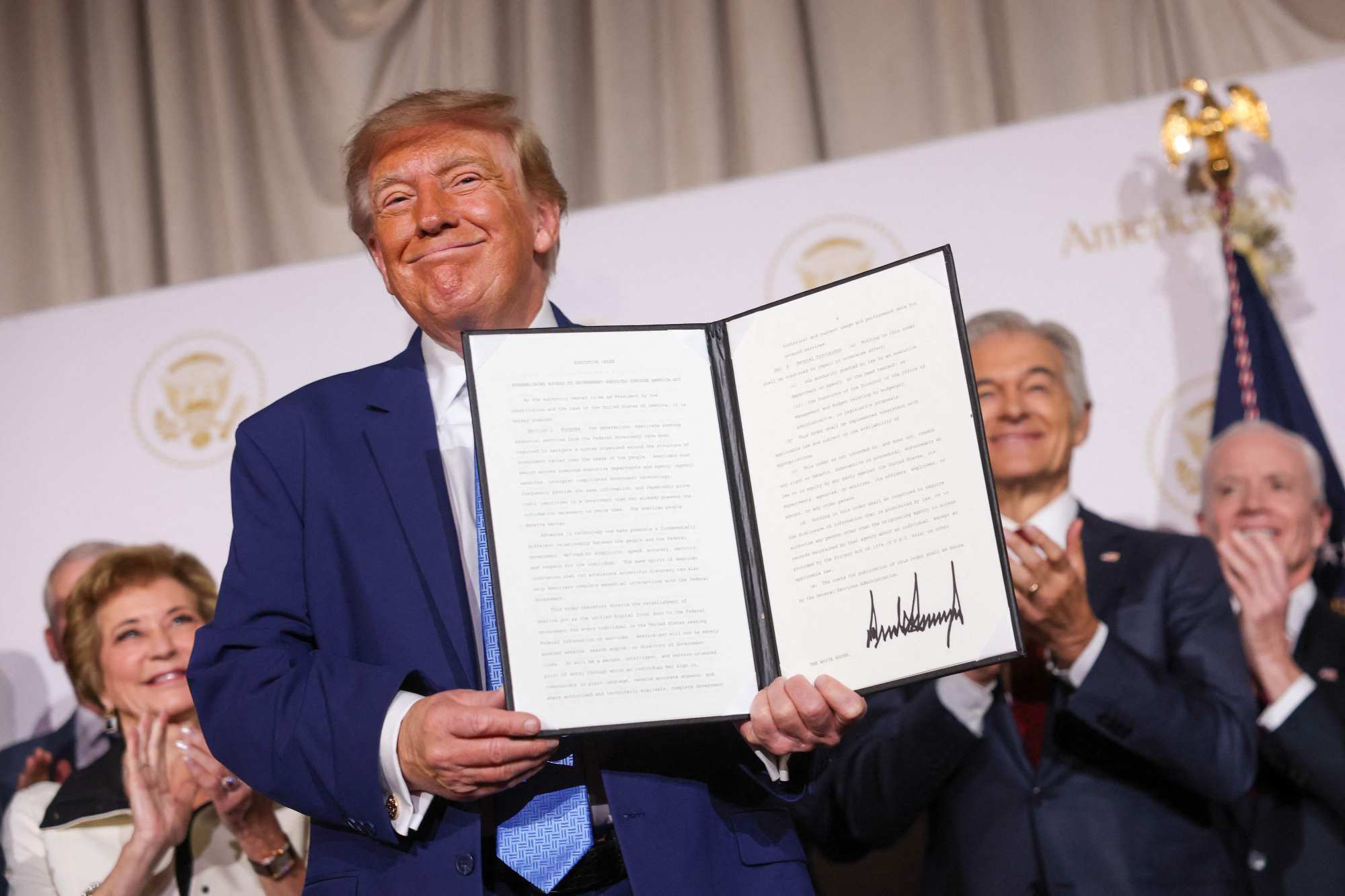
美国总统唐纳德·特朗普反而支持行业自我监管。上个月,他在白宫会见了多位顶尖AI企业高管,并认可了一项由企业自愿签署的协议,要求公司自行监控和审计其AI系统。他将该协议称为“具有道德约束力”的协议。
US President Donald Trump has instead backed industry self-regulation, meeting leading AI executives at the White House last month and endorsing a voluntary agreement for companies to monitor and audit their own AI systems. He described the agreement as “morally binding”.
随着中国公司在前沿AI模型方面逐渐缩小与美国企业的差距,美国科技公司及特朗普政府官员越来越多地指责北京方面抄袭或提取美国模型的能力,以加速自身发展。
As Chinese companies have closed the gap with US firms in frontier AI models, American technology companies and Trump administration officials have increasingly accused Beijing of copying or extracting capabilities from US models to accelerate its own development.
美国财政部长斯科特·贝森特上个月表示:“窃取和复制美国AI模型的技术术语是‘蒸馏’。因此,中国人对我们模型进行蒸馏,但他们永远无法超越我们。”
“The technical word for stealing and copying American AI models is distillation. So, the Chinese distil our models, and they can never get ahead of us,” US Treasury Secretary Scott Bessent said last month.
“这有点像你在别人背后偷看并抄写他们的作业,你永远不可能取得比他们更高的分数。”模型蒸馏是一种广泛使用的AI训练技术,即较小的模型通过学习较大模型的输出结果来训练。中国已驳斥美国的指控,称模型蒸馏“是AI领域的常见做法”。
“It’s kind of like if you’re looking over someone’s shoulder, copying their homework, you can never get a higher grade than they do.”Model distillation is a widely used AI training technique in which a smaller model learns from the output of larger ones. China has rejected US allegations, terming distillation “a common practice in the AI sector”.