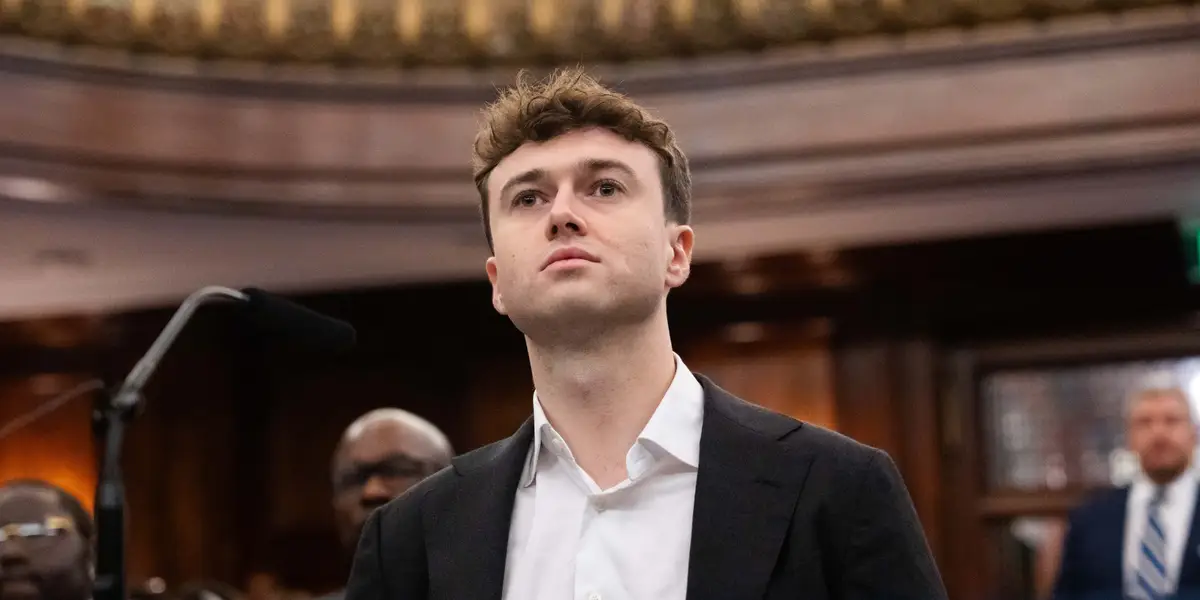
雅各布·考克森(Jacob Coxon)是那些悲观地看待人工智能发展前景的人的代表人物。他认为,试图通过限制人工智能的发展速度来延缓其进步可能是行不通的。考克森上个月离开了Anthropic公司,此前他曾指责该公司和OpenAI“在拿人类的未来冒险”。在商人帕特里克·贝特-戴维(Patrick Bet-David)的播客节目中,他表示,减缓美国的人工智能发展可能毫无效果,因为中国间谍可能已经渗透到了美国的科研实验室中。
Jacob Coxon, the poster child for AI doom and gloom, said there's a reason that pacing the frontier may not work. Coxon, who quit Anthropic last month after accusing it and OpenAI of "gambling with lives," said on businessman Patrick Bet-David's podcast that slowing US AI development may be ineffective because Chinese spies might have infiltrated US labs. He said he was "90%" certain about the presence of Chinese spies at OpenAI and Anthropic, who could steal the labs' progress at any time, and "catch up the lead." "So if we continue, they're going to have access to it.
他声称自己对OpenAI和Anthropic中存在中国间谍“有90%的把握”,这些间谍随时都有可能窃取这些实验室的科研成果并“赶上美国的领先地位”。他说:“无论我们继续推进人工智能的发展,还是选择停止,最终中国都会掌握这些技术。”然而,当贝特-戴维询问这些间谍的具体身份时,考克森表示自己并不想“无端指责他人”,因此没有指名道姓。
If we don't continue, China's going to create it themselves. So either way, China's eventually going to have access to it," he said to Bet-David in the interview released on Tuesday. However, when Bet-David asked him for details about who they might be, Coxon said he was "not trying to, like, start a witch hunt" and didn't name anyone.
一位熟悉Anthropic情况的消息人士向《Business Insider》透露,没有证据支持考克森的这一说法。Anthropic公司将来自国外的情报威胁视为严重风险,因此实施了严格的人员审查制度、访问控制措施以及内部风险监控机制。OpenAI和Anthropic的代表均未对《Business Insider》的采访请求作出回应。考克森还指出,中国人工智能技术之所以能够快速进步,另一个原因是他们使用了所谓的“蒸馏攻击”(distillation attacks)技术——这种攻击方式利用先进的人工智能模型来训练和提升较落后的模型。
A source familiar with Anthropic told Business Insider that there is no evidence to support this claim. Anthropic treats foreign intelligence threats as a serious risk and maintains rigorous personnel vetting, strict access controls, and insider risk monitoring. Coxon and representatives from OpenAI did not respond to requests for comment from Business Insider. Coxon added in the interview that another reason China's AI capabilities are progressing is the use of distillation attacks, a problem that labs like Anthropic have mentioned several times.
Anthropic曾指控中国的阿里巴巴、Moonshot、DeepSeek和Zhipu等机构在夏季发动了数百万次此类攻击。在采访中,考克森还将Anthropic的员工比作“愿意为实现超级智能这一目标而牺牲自己的蚂蚁”。
Distillation attacks involve using advanced AI models to train and improve the capabilities of less advanced models, and Anthropic accused Chinese labs such as Alibaba, Moonshot, DeepSeek, and Zhipu of launching millions of these attacks over the summer. In another part of the interview, he also compared Anthropic staff to worker ants who are "willing to sacrifice themselves for the good of the mission," which is achieving superintelligence.
科森接受采访之际,Anthropic首席执行官达里奥·阿莫迪、OpenAI首席执行官萨姆·奥特曼以及xAI首席执行官埃隆·马斯克等各大AI实验室的高管此前已纷纷呼吁放缓AI发展步伐,并在开发过程中增加监督与限制机制。奥特曼在9月发布的一条X帖文中表示,OpenAI的进展“一直很快,未来也会持续快速”,但会适当放慢速度,以提升AI的安全性。
Coxon's interview come after executives at major AI labs, including Anthropic CEO Dario Amodei, OpenAI CEO Sam Altman, and xAI CEO Elon Musk, have talked about slowing AI development and adding checks and guardrails into the process. Altman said in a September X post that progress at OpenAI "has been rapid and will continue to be," but will be slowed down slightly to make AI safer.
然而,许多人批评这种呼吁放慢技术前沿发展的做法,认为这可能会人为制造对Anthropic和OpenAI备受期待的IPO的热度,并让规模较小的AI竞争对手处于不利地位。
However, many have criticized the call to pace the frontier, saying that it could build hype around Anthropic and OpenAI's much-anticipated IPOs and disadvantage smaller AI rivals.