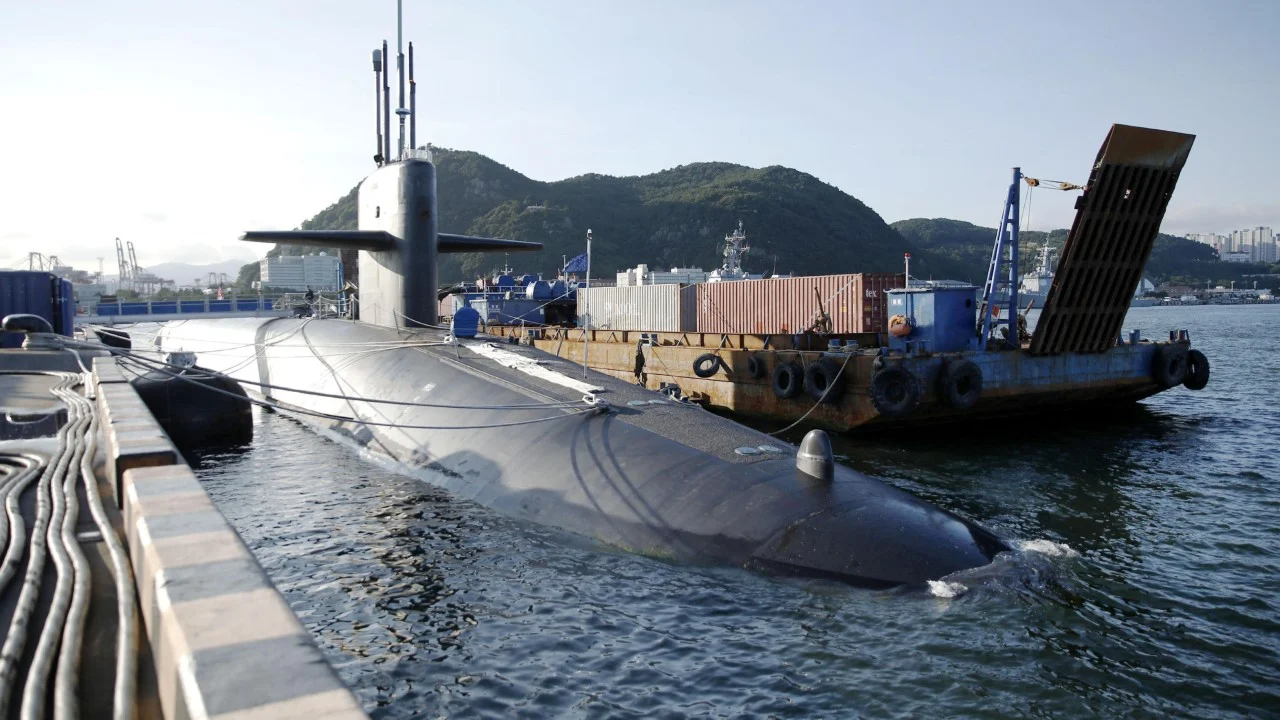
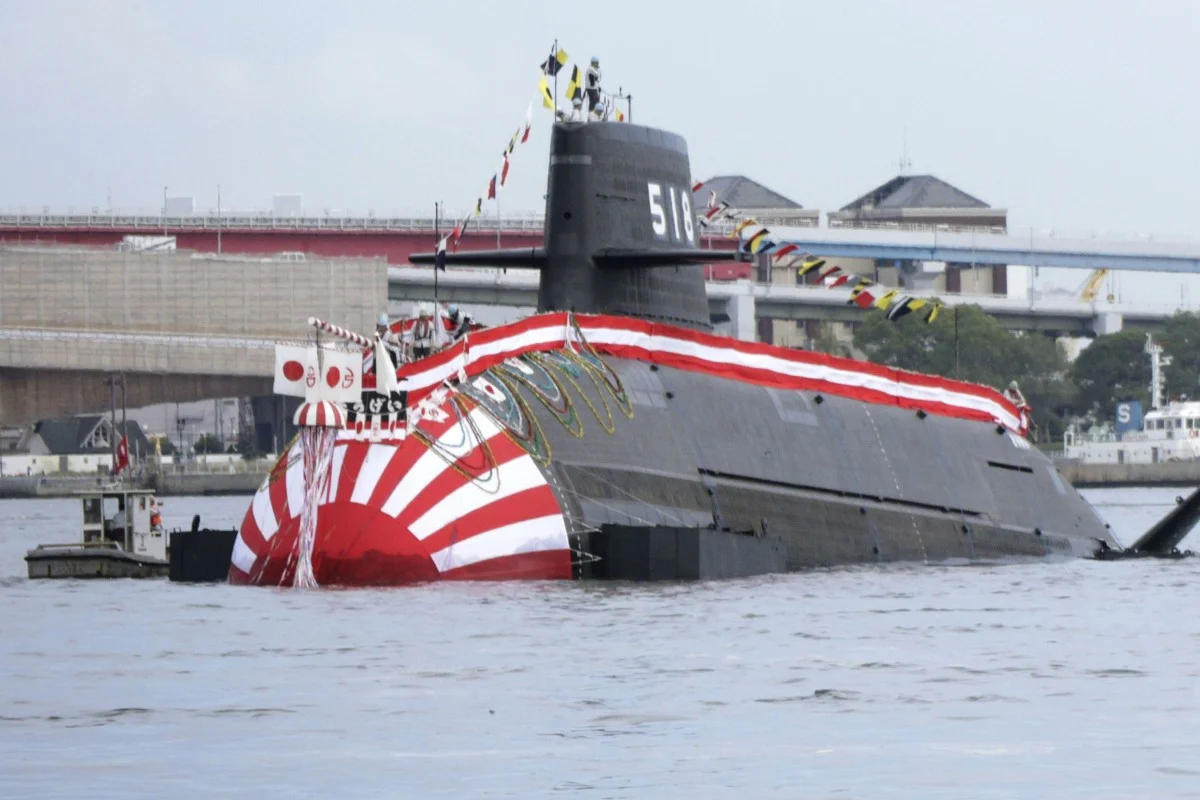
日本预计将在今年晚些时候发布的修订版安保文件中提出获取一支核动力潜艇舰队的想法,分析人士认为东京此举的初衷是促进对该议题的讨论并克服公众的担忧。
Japan is expected to float the idea of acquiring a fleet of nuclear-powered submarines in revised security documents to be released later this year, with analysts suggesting that Tokyo’s initial aim is to promote discussion of the issue and overcome the public’s concerns.
分析人士承认,日本(唯一曾遭受核武袭击的国家)不可避免地会面临来自部分地区的反对,但他们表示,人们日益认识到地区竞争日益激化,日本需要做更多的事情来保障自己的安全。
Analysts acknowledge there will inevitably be pushback from some sectors of Japan – the only nation to have suffered a nuclear attack – but say there is a growing recognition that regional rivalries are worsening and Japan needs to do more to guarantee its own security.
《每日邮报》援引政府消息人士报道称,星期三组建专家小组审议《国家安全战略》及其他关键安保文件的修改方案,该专家小组将指出日本正在“考虑拥有”核动力潜艇。
Quoting government sources, the Yomiuri newspaper reported on Wednesday that the expert panel set up to consider changes to the National Security Strategy and other key security documents would state that Japan was “considering ownership” of nuclear submarines.
这将允许对研发国产核动力潜艇进行初步研究,而无需做出获取整支舰队的决定。该报还称,如果公众支持足够,项目就有可能获得批准推进。
This will permit initial research into developing a domestically built nuclear-powered submarine without a firm decision on acquiring a fleet. If public support is adequate, it added, the project could be given the green light to proceed.
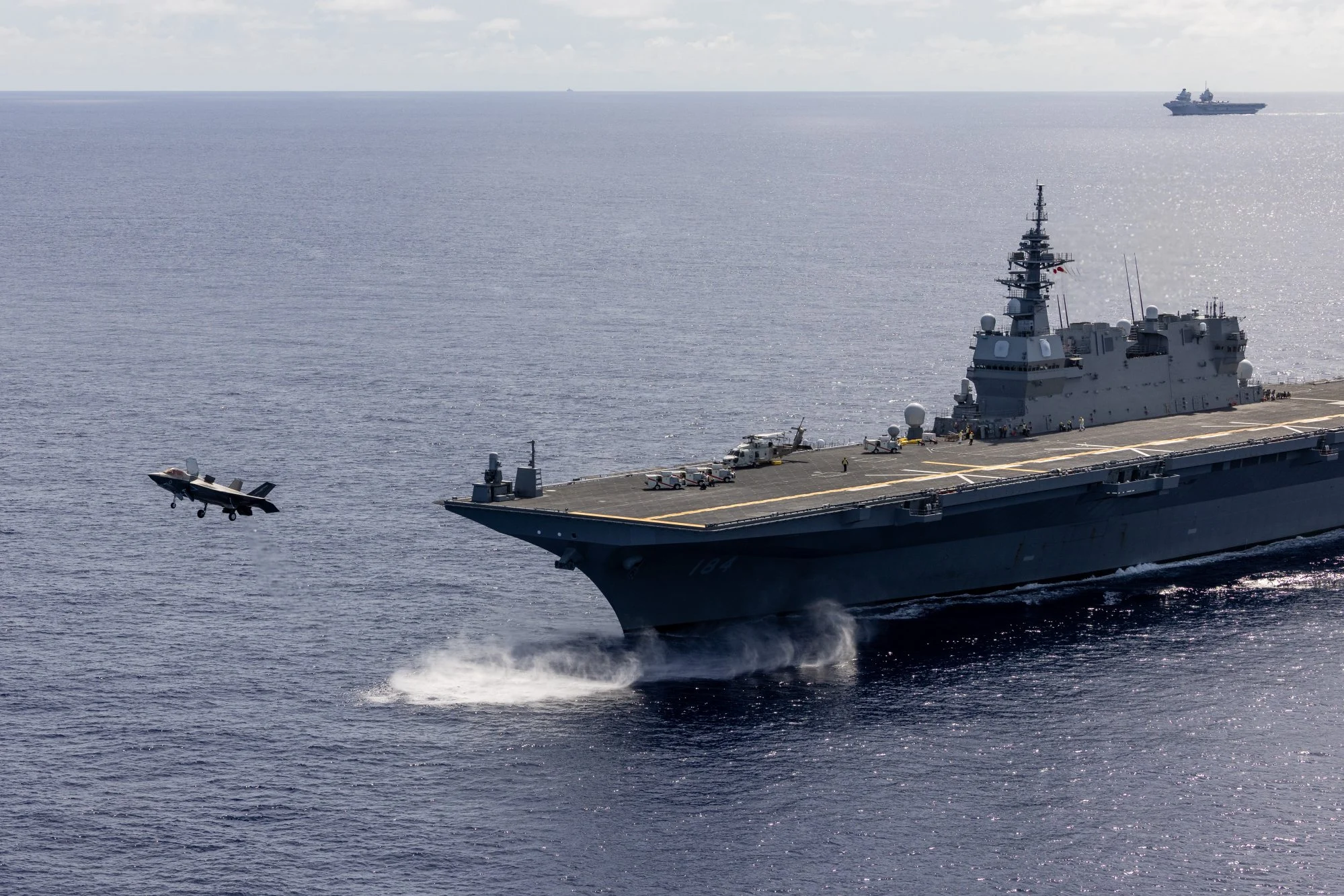
“日本在过去十年左右的时间里态度发生了很大的变化,”东京大学政治学教授安野正士表示,“任何关注国家安全问题的人都变得更加现实地面对围绕日本的所有挑战,并对最近的军事计划更加接受。”近年来,这些计划包括日本自二战结束以来首艘航空母舰的引进、允许日本公司向海外出售武器的出口规则重新解释,以及计划获取可从潜艇发射的远程导弹等。
“Attitudes in Japan have changed a lot in the last decade or so,” said Tadashi Anno, a professor of politics at Tokyo’s Sophia University. “Anyone who is paying attention to national security issues has grown much more realistic about all the challenges surrounding Japan and has become more accepting of recent military programmes.”In recent years, these include the introduction of Japan’s first aircraft carrier since the end of World War II, a reinterpretation of export rules that now permits Japanese firms to sell weapons overseas and plans to acquire long-range missiles that can be launched from submarines, among others.
“我预计这份新文件将提到核动力潜艇有必要作为威慑力量存在,而韩国也决定获取核动力潜艇的影响也将被提及,”安野告诉《亚洲本周》。
“I expect this new document will mention that nuclear-powered submarines are necessary to act as a deterrent, while there is also the impact of South Korea’s decision to also obtain nuclear submarines,” Anno told This Week in Asia.
“这很容易被解读为日本采取同样行动的理由,我认为这种逻辑有助于说服一些人,拥有核动力潜艇已不再是一个禁忌,至少是一个可行的选项。”不过,专家表示,日本拥有核动力潜艇至少还需要十年时间。
“That could easily be seen as a justification for Japan doing the same and I think that logic would help convince some that having a nuclear-powered submarine is no longer a taboo and is at least an option.”Experts say, however, that a Japanese nuclear-powered submarine is still at least a decade away.
新加坡李光耀公共政策学院的海事安全分析师约瑟夫·克里斯坦托(Joseph Kristanto)表示:“日本目前的常规潜艇舰队已经采用了许多先进技术,这有助于延长其水下续航时间,但日本在能力上仍落后于美国和中国海军。”
“Japan’s current conventional fleet has already adapted many advanced technologies and that has helped it expand the time it remains submerged, but Japan is still behind what the US and Chinese navies can do,” said Joseph Kristanto, a maritime security analyst at Singapore’s S. Rajaratnam School of International Studies.
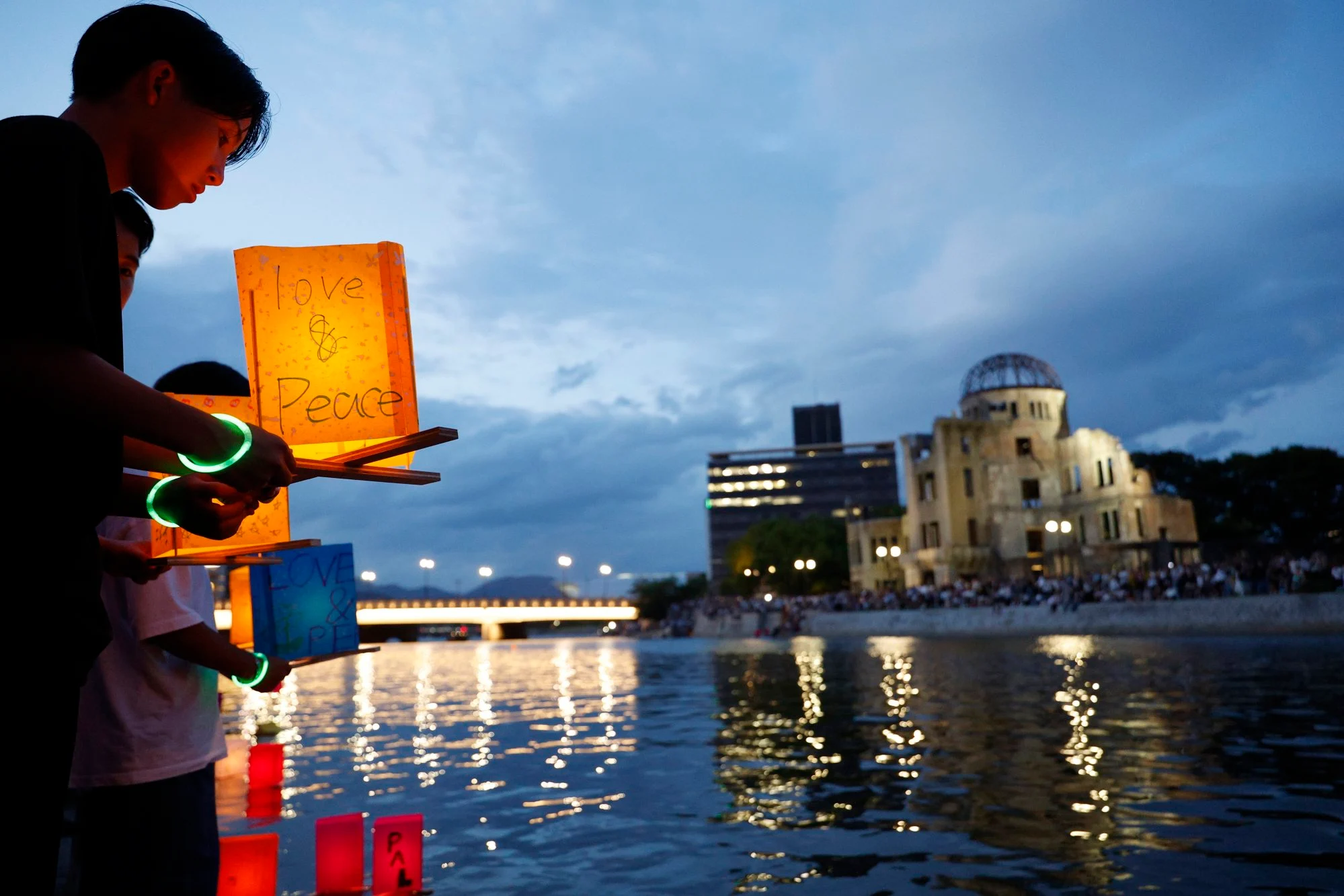
他说:“特别是中国,正在快速发展其潜艇能力,并能够在南海及其他地区部署弹道导弹潜艇。”“为了能够追踪这些潜艇,日本需要核动力舰艇。”克里斯坦托同意,在某些领域对采用核技术存在抵触情绪,部分原因是广岛和长崎遭受的毁灭性打击,同时也源于2011年3月福岛核电站事故留下的恐惧。然而,公众对核能的总体抵触情绪已经减弱,新的核电站正在建设中,这表明公众已逐渐接受这一理念。
“China, in particular, is developing its submarine capabilities quite rapidly and is able to operate ballistic missile submarines in the South China Sea and elsewhere,” he said. “In order for Japan to be able to track those boats, it would need nuclear-powered vessels.”Kristanto agrees there will be reluctance in some quarters to adopt nuclear technology, in part because of the destruction of Hiroshima and Nagasaki, but also due to lingering fears from the disaster at the Fukushima nuclear power plant in March 2011. Yet resistance to nuclear power in general has abated and new plants are being built, suggesting that the public has gradually come around to the idea.
他说:“我不会将此举描述为日本加入潜艇军备竞赛,但亚洲国家之间确实存在竞争意识,日本也有一种不能落后的感觉。”
“I would not describe this as Japan joining a submarine arms race, but there is certainly a sense of competition among Asian countries and a feeling in Japan that it cannot afford to be left behind,” he said.
尽管核动力潜艇在第一岛链内的浅水区域——从日本冲绳县经台湾延伸至菲律宾——的作战效能可能较低,但克里斯坦托表示,他不认为日本向太平洋部署新型潜艇可以被视为建立完整远洋作战能力的第一步。
While nuclear-powered submarines are arguably less effective in the shallow waters within the first island chain, which stretches from Japan’s Okinawa prefecture through Taiwan and down to the Philippines, Kristanto said he did not believe that Japan deploying a new class of submarines into the Pacific could be considered the first step in the creation of a full blue-water capability.
“核动力潜艇只是远洋作战能力的一个组成部分,如果日本想要远离本国港口进行作战,还需要水面舰艇,”他说。“日本目前并不具备这种能力,而且我认为这种能力在长期内也难以维持。”尽管日本舰队加入核动力潜艇会遭到明确反对,但这一提议在日本保守派中获得了广泛支持。
“A nuclear-powered submarine is just one element of a blue water capability and Japan would need surface ships if it wanted to operate a long way from its own ports,” he said. “Japan does not have that capability now and I do not think it would be sustainable over the long term.”While outright opposition to nuclear-powered submarines joining the Japanese fleet is inevitable, the suggestion has a lot of support from conservatives in Japan.
今年4月,日本国家根基研究所发布了一份政策提案,呼吁就日本发展核能力(包括核武器)展开讨论。
In April, the Japan Institute for National Fundamentals released a policy proposal calling for debate on the nation developing a nuclear capability, including nuclear weapons.
这份由右翼智库发布的报告称:“中国和朝鲜迅速且多样化地扩充核力量,使得日本所面临的威胁变得愈发现实。”
“The rapid and diverse expansion of nuclear forces by China and North Korea is making the threat to Japan become more real,” the report by the right-wing think tank said.
报告呼吁政府“研究适合日本的核威慑形式,并在尽可能早的时间内采取必要措施”。
It called on the government to “examine the appropriate form of nuclear deterrence for Japan and take the necessary measures at the earliest possible time”.
尽管该政策文件表示其坚持废除核武器的理念,但报告也指出,随着朝鲜和中国等国大力投资核武器,这一理想目标正变得越来越遥远。
While the policy paper says it adheres to the concept of the abolition of nuclear weapons, it notes that ideal is moving further away as countries such as North Korea and China invest heavily in atomic weapons.
报告还指出,在特朗普总统任期内,美日安全同盟存在可信度问题,并敦促日本采取措施,减少对华盛顿在安全事务上的依赖。
It also points out that there are credibility issues concerning the security alliance under US President Donald Trump and urges Japan to take steps to reduce its reliance on Washington for security.