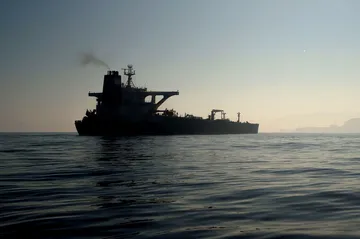
超大型油轮正竞相驶向中东,以从通过霍尔木兹海峡运输石油的飙升运费中获利,这加剧了全球船舶短缺,导致运费飙升。
Supertankers are racing to the Middle East to cash in on soaring fees for carrying oil through the Strait of Hormuz, exacerbating a global shortage of vessels that has spiked freight rates.
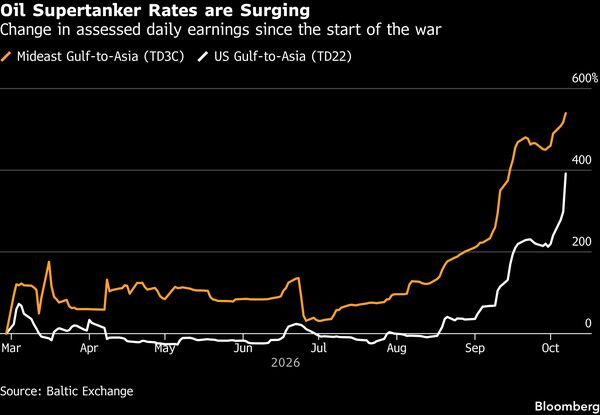
尽管船只持续遭受袭击,但连接波斯湾与国际市场的这条水道的原油流量在最近几周已恢复至接近战前水平。然而,贸易风险促使油轮费用飙升:从海湾向东亚运输石油的成本是冲突前的六倍多。
Crude flows through the waterway, which connects the Persian Gulf to international markets, have recovered to near pre-war levels in recent weeks despite continued attacks on ships. But the perils of the trade have prompted tanker fees to skyrocket: Moving oil from the gulf to East Asia costs more than six times as much as it did prior to the conflict.
据航运数据提供商 Signal Ocean 统计,全球约 850 艘超大型原油运输船(VLCC)船队中,目前有超过 40% 正处于波斯湾内,或距离该海湾仅需几天航程。
More than 40% of the world’s fleet of about 850 very large crude carriers are now either in the Persian Gulf or within a couple of days sailing time from it, according to Signal Ocean, a shipping data provider.
所谓的“接驳贸易”加剧了该区域船舶的集中,即原油在阿曼湾或新的中转点(如印度西海岸外)被转运至其他船只上——这些船只不愿承担穿越霍尔木兹海峡的风险。
The concentration of vessels in the area is being exacerbated by the so-called shuttling trade where crude is transferred to other ships — which aren’t willing to take the risk of crossing Hormuz — in the Gulf of Oman or at new transshipment points, such as off the west coast of India.
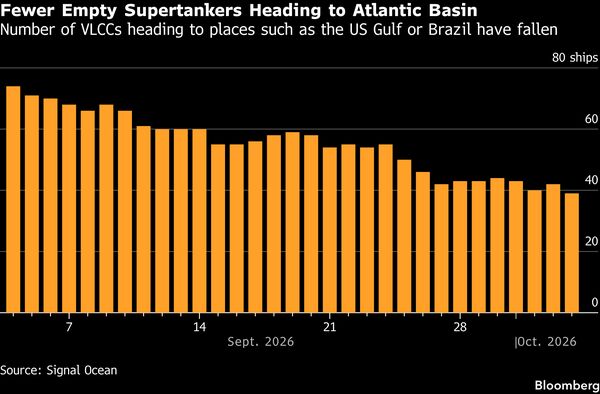
Signal Ocean 的运费分析师 Georgios Sakellariou 表示:“最近几个月是原油油轮有史以来最好的时期。主要问题是霍尔木兹海峡外的船对船转运系统效率低下,这确实在当地及其他地方极大地挤占了运力供应。”Signal Ocean 的数据显示,驶往大西洋港口的空载 VLCC 数量较一个月前减半。超大型油轮的短缺也在改变其他地区油轮船队的构成,推动了不具备规模经济优势的小型船只数量增加。
“The recent months have been have been the best of all time for crude tankers,” said Georgios Sakellariou, a freight analyst at Signal Ocean. “The major issue is that the ship-to-ship system outside Hormuz is inefficient and that’s really stretching vessel supply there and elsewhere.”The number of empty VLCCs heading to Atlantic Ocean ports has halved from a month ago, the Signal Ocean data show. The dearth of supertankers is also changing the composition of the oil fleet elsewhere, driving an increase in the amount of smaller vessels that don’t benefit from economies of scale like the larger carriers do.
与此同时,中东以外的原油生产国——特别是美洲国家——仍保持高产量水平,即使波斯湾的出货量正在反弹。所有这些因素正在波及全球油运市场,并进一步推高了本已居高不下的运费。
Meanwhile, crude producers outside of the Middle East — particularly in the Americas - are still maintaining high levels of output, even as flows from the Persian Gulf rebound. All of this is rippling through oil freight markets worldwide, and supercharging already elevated fees.
本周,至少有一艘超大型油轮被报价承接从美国墨西哥湾前往日本的航程,预期运费将创下纪录,达到8200万美元,相当于每桶油价成本增加40多美元。这一价格较三周前同航线的运费水平上涨了50%以上。
At least one VLCC was offered this week to sail from the US Gulf to Japan at a potential record fee of $82 million, or more than $40 a barrel. That’s a 50%-plus increase on the route from just three weeks ago.
至于从波斯湾前往东亚的航程,全程约需三周时间。周三,该航线的超级油轮日租金更是创下历史新高,接近140万美元。与战争爆发前相比,这一数值增长了近540%;而同期布伦特原油价格涨幅仅为40%左右。
For the Persian Gulf to East Asia journey, which takes about three weeks, assessed supertanker rates reached an all-time high of nearly $1.4 million per day on Wednesday. That’s a surge of almost 540% since before the war, compared with an increase of about 40% in Brent oil over the period.
由于超级油轮供应紧缺且运费高企,非中东航线开始转而使用规模较小的苏伊士型及阿弗拉型油轮。目前,11月份从美国向亚洲运送原油的大部分运输合同均由这类船只承担,这也进一步推高了相关运输成本。
The scarcity and sky-high fees for supertankers have prompted a switch to smaller Suezmax and Aframax vessels for non-Middle Eastern routes. So far, most of the deals to carry US oil loading in November to Asia involve these ships, driving up those costs in turn.
船舶经纪商Fearnleys在周一的一份报告中指出:“那些比超大型油轮规模稍小的苏伊士型与阿弗拉型油轮,其运费上涨势头也丝毫未见放缓迹象。眼下,航运市场实在无处可避高成本了。”
“The VLCC’s smaller sisters, Suez- and Aframaxes, are showing no sign of slowing down either, so there’s really nowhere to hide right now,” shipbroker Fearnleys said in a note on Monday.