MeToo运动之后确实取得了一些进展,但还远远不够。这些进展显然不足以改变那些依然保护男性、诋毁受害者的固有假设。如果说过去是一个陌生的国度,没有什么比近期历史的纯真更令人心酸的了,那么对于紧接在我们时代之前的那个时期,还有第三种审视方式,正如那句“那件事没能经受住时间的考验”所概括的那样。
There was progress after #MeToo, but not enough. Certainly not enough to shift the assumptions that still protect men and denigrate victims If the past is another country, and there is nothing so poignant as the innocence of recent history, then there is a third category of engagement with the era directly preceding our own, encapsulated by the line “that didn’t age well”.

在得知七名男学生两年前在康奈尔大学兄弟会宿舍轮奸一名20岁女性,且目前正面临受害者提起的民事诉讼的消息时,我不禁想到了这一点。康奈尔大学和当地地方检察官当时未能采取适当行动,这引发了关于“#MeToo运动之死”的又一轮评论,尤其是在10月15日这一临近的纪念日——即2017年该话题标签首次走红的日子。但我所思考的时期甚至早于那段日子,那时人们似乎认为关于同意的问题已经基本解决了。艾玛·布罗克斯是《卫报》专栏作家。
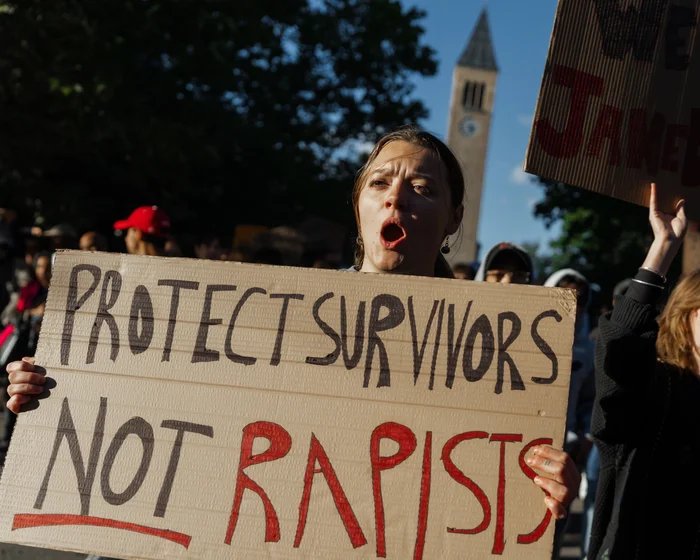
I found myself thinking about this in relation to news of the seven male students accused of gang-raping a 20-year-old woman two years ago in their fraternity house at Cornell University, and now facing a civil suit brought by their alleged victim. Apparent failures by Cornell and the local district attorney to act appropriately at the time have triggered another round of commentary about the “death of #MeToo”, not least with the looming anniversary on 15 October, the date in 2017 when the hashtag first went viral. But the period I find myself thinking about predates even that, when it seemed as if these questions of consent had been largely resolved. Emma Brockes is a Guardian columnist