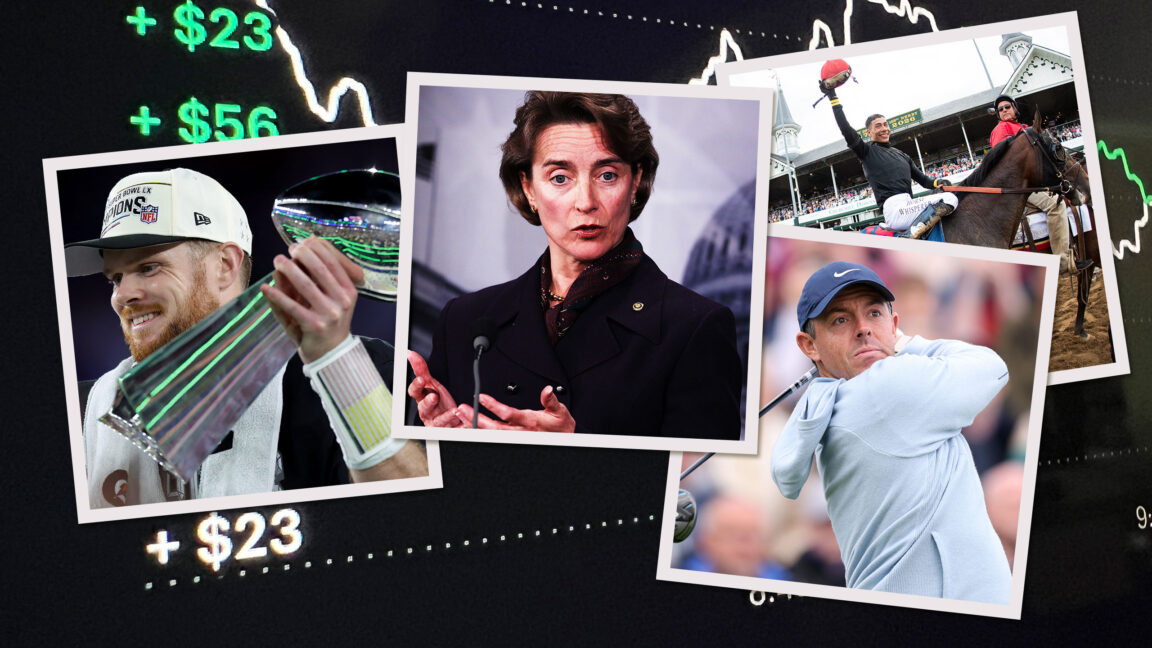
2010年7月,美国参议员布兰琴·林恩(D-阿肯色)预见到了预测市场的兴起及其可能引发的问题。林恩在关于多德-弗兰克华尔街改革和消费者保护法案的参议院审议中警告称,如果监管不当,预测市场可能会通过提供“事件合约”来避开赌博法律,这些合约让人们可以对体育比赛下注。
In July 2010, US Senator Blanche Lincoln (D-Ark.) predicted the rise of prediction markets and the problems they could cause. If not properly regulated, Lincoln warned during Senate proceedings on the Dodd–Frank Wall Street Reform and Consumer Protection Act, prediction markets could evade gambling laws by offering "event contracts" that let people place wagers on sports games.
林恩告诉她的同僚们:“围绕像超级碗、肯塔基赛马和大师高尔夫锦标赛这样的体育赛事构建事件合约会非常容易。”林恩在制定现在规范预测市场的法律时发挥了关键作用。“这种类型的合约不会服务于任何真正的商业目的。相反,它们纯粹用于赌博。”如今,林恩成为了预测市场Kalshi的说客,并敦促商品期货交易委员会(CFTC)允许在这些市场上进行体育赌博。她创办的公司自2024年以来从Kalshi获得了48万美元,用于向国会和CFTC游说放松对事件合约的监管。
"It would be quite easy to construct an event contract around sporting events such as the Super Bowl, the Kentucky Derby, and Masters golf tournament," Lincoln, who played a key role in making the law that now regulates prediction markets, told fellow senators. "These types of contracts would not serve any real commercial purpose. Rather, they would be used solely for gambling." Today, Lincoln is a lobbyist for prediction market Kalshi and has urged the Commodity Futures Trading Commission (CFTC) to allow sports gambling on the markets. The firm she founded has received $480,000 from Kalshi since 2024 in exchange for lobbying Congress and the CFTC for looser regulation of event contracts.