早发性癌症:为何50岁以下人群的病例在增加Kaukab Shairani 2026年10月8日在整个拉丁美洲,早发性癌症的发病率有所上升,其中智利和巴西的增长速度最快,尤其是肠癌、乳腺癌和宫颈癌。但这已成为一种全球性趋势。
Early-onset cancer: Why cases are rising in under-50s Kaukab Shairani October 8, 2026 Across Latin America, early-onset cancer rates have risen, but Chile and Brazil have seen the fastest growth, especially with bowel, breast and cervical cancers. But it is a worldwide trend.
在巴西,2000年至2023年间,50岁以下人群的肠癌发病率每年增长7.6%。这些数字令人震惊。过去20年里,某些癌症的发病率翻了一番。目前尚不清楚我们看到的是实际病例的增加,还是由于医院在意识、诊断和治疗方面的改善,从而发现了更多的早期病例。
In Brazil, rates of bowel cancer in people under 50 years increased by 7.6% per year from 2000 to 2023 The numbers are striking. Some cancer rates have doubled in the past 20 years. It's just not clear whether we're seeing a rise in actual cases or whether we're seeing more early-stage cases through better awareness, diagnosis and treatment in hospitals.
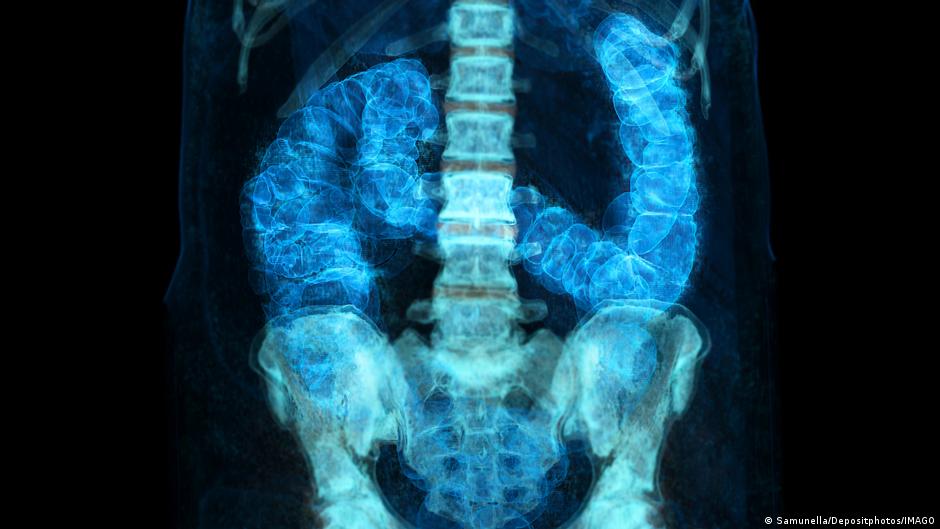
以结直肠癌(或肠癌)为例。2001年,英国50岁以下人群中,每年约有2.6万人中有一人被诊断出患有此病。到2023年,诊断率约为每1.2万人中有一人。这是世纪之交时的两倍。
Take, for example, colorectal (or bowel) cancer In 2001, about one in every 26,000 people under 50 years in England were diagnosed with it each year. By 2023, the rate of diagnoses was about one in 12,000. Twice the number what it was at the turn of the century.
这是根据世界癌症研究基金会(WCRF)的数据得出的结论。该基金会是一个国际慈善网络,分析了来自英国、美国和荷兰的登记数据。研究发现,仅在英国,就有七种癌症的新发病例数有所上升。
That's according to the World Cancer Research Fund (WCRF) an international network of charities, which analyzed registry data from England, the US and the Netherlands. It found the number of new cancer cases had risen for seven cancers in England alone.
伦敦癌症研究所临床流行病学教授艾米·贝林顿·德·冈萨雷斯(Amy Berrington de Gonzalez)表示,虽然发病率翻了一番,但总体数字仍然很小。
So, rates have doubled, but the numbers overall are still small, said Amy Berrington de Gonzalez, a professor of clinical epidemiology at the Institute of Cancer Research in London.
“癌症在年轻人中仍然非常罕见,”贝林顿·德·冈萨雷斯告诉德国之声(DW)。“一个小数字的三倍仍然是一个小数字。”但她和其他科学家仍然希望弄清楚为什么会出现这种情况,因为这是一种全球性趋势。拉丁美洲就是一个典型的例子。拉丁美洲早发性癌症发病率上升一项2025年的研究分析了截至2017年来自50个国家和地区的登记数据。研究发现,在这些地区中,有27个地区的早发性结直肠癌发病率呈上升趋势。
"Cancer is still very uncommon among young people," Berrington de Gonzalez told DW. "Three times a small number is still a small number." But she and other scientists still want to know why this is happening, because it is a worldwide trend. Latin America is a case in point. Early-onset cancer rates rising in Latin America A 2025 study analyzed registry data from 50 countries and territories up to 2017 It found early-onset colorectal cancer rising in 27 of those regions.
在拉丁美洲,智利、阿根廷、厄瓜多尔、哥斯达黎加和波多黎各的发病率均有所上升。智利的增长率——每年近4%——位居最高之列。
In Latin America, rates rose in Chile, Argentina, Ecuador, Costa Rica and Puerto Rico. Chile's rise — at almost 4% per year — was among the highest.
在巴西,证据直接来自医院。在圣保罗的A.C. Camargo癌症中心,2000年至2023年间,50岁以下结直肠癌患者的数量每年增长7.6%。这意味着增长了五倍。
In Brazil, the evidence comes directly from hospitals. At the A.C. Camargo Cancer Center in São Paulo, the number of colorectal cancer patients under 50 grew by 7.6% per year between 2000 and 2023. That's a five-fold increase.
50岁以上患者的数量增长更快,达到8.1%,即增长了约六倍。
The number of patients over 50 grew even faster — at 8.1% — or about six-fold.
但由于这些数据来自单一医院,它们并不能说明巴西全国的病例是否都在增加。这可能仅反映了该医院正在治疗更多的患者。
But since the figures come from a single hospital, they do not show whether cases are rising across Brazil. They may only reflect that this one hospital is treating more patients.
贝林顿·德·冈萨雷斯(Berrington de Gonzalez)表示:“我们需要更好的癌症登记系统,特别是在巴西和墨西哥等肥胖率也在上升的国家。”伦敦帝国理工学院癌症流行病学教授马克·冈特(Marc Gunter)表示,他预计随着拉丁美洲的饮食日益西化、生活方式趋于久坐,该地区将步富裕国家的后尘。他说:“我认为这种情况已经在发生了。”
"We need better cancer registration systems," said Berrington de Gonzalez, "especially in countries like Brazil and Mexico, where obesity rates have also been increasing." Marc Gunter, professor of cancer epidemiology at Imperial College London, said he expected Latin America to follow richer countries as diets there become more Westernized and lifestyles more sedentary. "I think it's already happening," he said.
这六种癌症对年轻人影响最大。在2025年一项涉及42个国家的研究中,贝林顿·德·冈萨雷斯比较了2003年至2017年间两个年龄组(20至49岁以及50岁及以上)的数据。
These six cancers affect young adults most another study in 2025 involving 42 countries, Berrington de Gonzalez compared data from two age groups — 20 to 49 years and 50 years and older — between 2003 and 2017.
在大多数国家,甲状腺癌、乳腺癌、结直肠癌、肾癌、子宫癌和白血病这六种癌症在年轻群体中呈上升趋势。除结直肠癌外,其他五种癌症在老年人中也有所增加。
Six cancers — thyroid, breast, colorectal, kidney, uterine and leukemia — rose among the younger groups in most countries. All but colorectal cancer were seen to rise in older adults, too.
事实上,结直肠癌的情况尤为突出。在大约三分之一的国家中,该癌症在年轻人中的增长速度快于老年人。贝林顿·德·冈萨雷斯说:“这是唯一一种在年轻人中增加,而在老年人中减少的癌症。”
In fact, colorectal cancer stood out. In about a third of the countries, it rose faster in younger adults than in older ones. "It is the one cancer that seems to be increasing in younger people whilst decreasing in older people," said Berrington de Gonzalez.
这对研究产生了影响。她说,如果癌症在所有年龄段都在增加,那么其原因很可能是普遍存在的,因此仅关注年轻人的研究可能会因数据不足而难以验证复杂的解释。
This has consequences for research. If cancers are rising in all age groups, the causes are likely to be widespread, so studies looking only at young people risk chasing complicated explanations with too little data to test them, she said.
更好的防癌意识或许能解释诊断率的上升。一项针对15至39岁成年人胰腺癌的美国研究发现,病例的增加几乎全部由早期肿瘤构成。死亡率保持不变。
Better awareness could explain the rise in diagnoses A US study of pancreatic cancer in adults aged 15 to 39 years found the rise was almost entirely made up of early-stage tumors. Death rates remained unchanged.
作者表示,这表明癌症病例数量并未增加,而是早期诊断的数量有所上升。这可以归因于社区意识的提高,人们接受检查的频率更高了。
The authors said this suggested that instead of the number of cancer cases going up, it was the number of early diagnoses that had gone up. And that can be explained by better awareness in the community, with people getting checked more often.
但结直肠癌的数据则有所不同:一些美国研究显示,该疾病在晚期阶段的发病率也在上升,这表明病例数量确实在增加,而不仅仅是诊断数量的增加。
But the data for colorectal cancer looks different: Some US studies show it rising in advanced stages of the disease as well, which suggests an increase in the number of cases, not just the number of diagnoses.
年轻人肠癌发病率上升(观看此视频),以及癌症与肥胖之间的联系:根据世界卫生组织下属的国际癌症研究机构(IARC)的说法,肥胖是至少13种癌症的既定诱因。
Bowel cancer rates rising in young people To view this video , and The link between cancer and obesity Obesity is an established cause of at least 13 cancers, according to the WHO's International Agency for Research on Cancer (IARC).
根据2021年对现有研究的一项综述,患有肥胖症的年轻人50岁前患结直肠癌的可能性几乎是常人的两倍。
According to a 2021 review of existing studies, young adults with obesity were almost twice as likely to develop colorectal cancer before the age of 50.
肥胖在年轻人中的蔓延速度也最快。世卫组织报告称,自20世纪90年代以来,成年人的肥胖率翻了一番,青少年的肥胖率则翻了两番。饮食至关重要:加工肉类被列为致癌物;酒精也被视为风险因素;纤维(蔬菜、全谷物和豆类)可降低患癌风险。也有人称超加工食品和微塑料会导致癌症。但冈特表示,目前的证据尚无定论。
Obesity has also spread fastest among the young. The WHO reports that obesity rates have doubled among adults since the 1990s and quadrupled among adolescents. What you consume matters: Processed meat is classed as carcinogenic Alcohol is also considered a risk factor Fiber (vegetables, whole grains and pulses) lowers cancer risk Some also say ultra-processed foods and microplastics cause cancer. But Gunter said the evidence was inconclusive.
“这其中有很多炒作,”冈特说,并补充称需要进行更多研究。贝林顿·德·冈萨雷斯也表示赞同:“饮食习惯确实发生了变化,但我们尚不清楚它们可能扮演的角色。”年轻人如何降低患癌风险:冈特表示,不应责怪个人生活在以方便食品和久坐工作为主的社会中,持久的改变需要公共卫生政策的支持。
"There's a lot of hype," Gunter said, adding that more research was needed. Berrington de Gonzalez agreed: "Diets have changed, but we don't yet know the role they might play." How young people can lower their cancer risk Gunter said individuals should not be blamed for living in societies built around convenience foods and desk jobs, and that lasting change needs public health policy.
但他同时也指出,可以通过保持健康体重、增加运动、多摄入纤维以及减少加工肉类的摄入来降低风险。
But he also said by maintaining a healthy weight, moving more, eating more fiber and cutting back on processed meat.
“去散步、多进行体育锻炼、多吃水果和蔬菜,”他说。“这些事情可能没那么时髦,但它们确实非常重要。”对于读到这篇文章的30岁年轻人来说,贝林顿·德·冈萨雷斯(Berrington de Gonzalez)传达的信息是一种安慰:年轻时患癌仍然相对罕见。编辑:祖尔菲卡尔·阿巴尼(Zulfikar Abbany)
"Going for a walk, being more physically active, eating more fruits and vegetables," he said. "Those things are maybe not so trendy, but they are really important." For a 30-year-old reading this, Berrington de Gonzalez's message was one of reassurance: Cancer at a young age remains relatively rare.