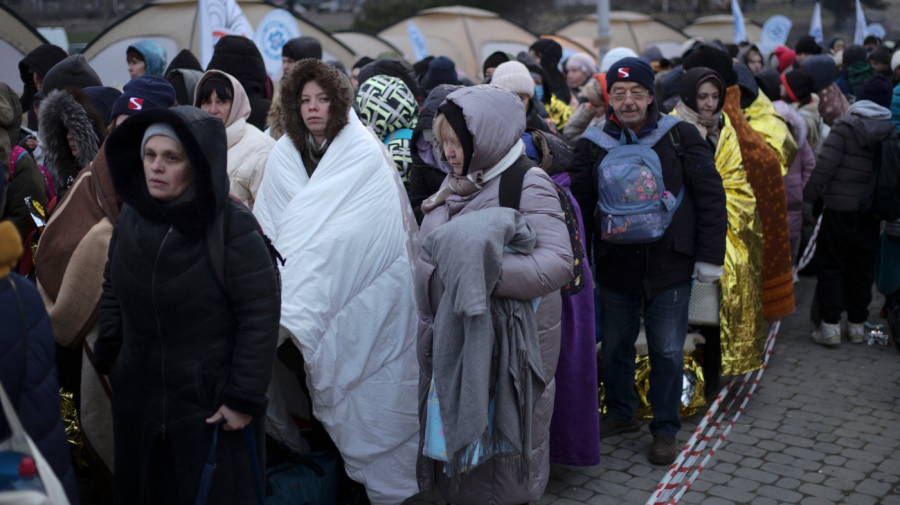
2022年,数百万乌克兰人带着行李跨越边境,希望能在几周或几个月内回到家乡。四年后,他们中的许多人已经在其他国家安顿下来,开始了新的生活。因此,虽然和平协议可能结束战争,但并不能解决乌克兰的移民危机。根据经济战略中心(Center for Economic Strategy)的数据,由于战争的持续,仍有约560万乌克兰人滞留在国外;根据欧盟统计局(Eurostat)的数据,截至7月,有超过440万逃离乌克兰的难民在欧盟国家获得了临时庇护。
In 2022, millions of Ukrainians crossed the border carrying suitcases and hoping to return home within weeks or months. Four years later, many of them have built lives elsewhere. That is why a peace agreement may end the war without ending Ukraine’s migration crisis. Around 5.6 million Ukrainians remain abroad because of the full-scale war, according to the Center for Economic Strategy. More than 4.4 million people who fled Ukraine were under temporary protection in European Union countries as of July, according to Eurostat.
这些数字不仅仅是关于那些等待回家的人的统计数据——它们代表着数百万在战争期间继续生活的乌克兰人的命运。孩子们已经进入了当地的学校,家长们找到了工作,家庭们租了房子并建立了新的社交网络,有些人甚至学会了新的语言并建立了自己的事业。对许多人来说,原本只是暂时的流离失所,现在已经变成了他们新的生活方式。
These numbers are not simply statistics about people waiting to go home. They represent millions of lives that have continued while the war has continued. Children have entered local schools. Parents have found jobs. Families have rented homes and built new social networks. Some have learned new languages and established careers. What began as temporary displacement has, for many, become an established life.
但这并不意味着乌克兰人不再想回家。经济战略中心的研究显示,43%的乌克兰难民计划返回乌克兰,而36%的人则不打算回国;在那些打算回国的人中,近80%的人表示只有在战争彻底结束、安全状况得到改善后才会返回。这种差异非常重要:对许多乌克兰人来说,问题不在于他们是否爱自己的国家或是否思念家乡,而在于回国是否对他们的家庭有利。
That does not mean Ukrainians no longer want to return. Research by the Center for Economic Strategy found that 43 percent of Ukrainian refugees plan to return to Ukraine, while 36 percent do not plan to return. Among those who intend to come back, nearly 80 percent say they would do so only after the war is definitively over, and security conditions improve. The difference is important.
一位母亲可能希望回家,但她的孩子可能已经在国外上了四年学,现在说当地语言比说乌克兰语更流利;一位家长可能思念家乡,但在国外找到了稳定的工作;一个家庭可能在乌克兰还拥有一套公寓,但那套公寓可能需要大修——或者已经不复存在了。2022年,回家往往意味着回到他们曾经离开的生活状态;而在国外生活了几年后,回家可能意味着需要重新开始。时间本身,也已经成为影响他们移民决策的一个重要因素。
For many Ukrainians, the question will not be whether they love their country or miss home; it will be whether returning makes sense for their family. A mother may want to return, but her child may have spent four years in a foreign school and now speak the local language more confidently than Ukrainian. A parent may miss home but have a stable job abroad. A family may still own an apartment in Ukraine, but it may need major repairs — or no longer exist. In 2022, returning home often meant going back to the life people had left behind.
这就是为什么战争的结束不能被视为解决难民问题的自动解决方案。和平对于难民的回归至关重要,但仅靠和平并不能让他们恢复到2022年之前的生活状态。住房、就业、教育、医疗保健以及安全保障都是关键因素;同时,一个更为抽象的因素也同样重要:那就是人们是否相信自己的未来仍属于乌克兰。最需要关注的群体可能既不是那些确信自己会回国的人,也不是那些已经决定留在国外的人,而是那些尚未做出决定的人。
After several years abroad, it can mean starting over. Time itself has become a migration factor. This is why the end of the war cannot be treated as an automatic solution to the refugee question. Peace is essential for return, but peace alone cannot recreate the lives people had before 2022. Housing, employment, schools, healthcare and security will all matter. So will something less tangible: whether people believe that their future is once again in Ukraine. The most important group may be neither those who are certain they will return nor those who have decided to stay abroad. It may be the people who have not yet made up their minds.
他们的决定将受到战争结束后乌克兰实际情况的影响:如果他们看到安全稳定的社区、正常运作的学校、可用的住房以及可靠的就业机会,一些人可能会选择回国;而如果他们看到的是混乱的局面、被毁坏的房屋以及有限的经济前景,他们可能会认为在国外建立的生活才是更现实的选择。乌克兰也需要为另一种可能性做好准备:并非所有人都会回国。
Their decision will be shaped by what Ukraine looks like when the war ends. If they see safe communities, functioning schools, available housing and real employment opportunities, some may choose to come back. If they see uncertainty, destroyed housing and limited economic prospects, they may decide that the life they have built abroad is the more practical choice. Ukraine also needs to prepare for another possibility: not everyone will return.
这不应被视为一种失败。留在国外的乌克兰人仍然可以与自己的祖国保持紧密的联系——他们可以向亲人汇款、投资乌克兰的企业、回国探亲,或者从国外为祖国提供专业上的支持。乌克兰从战争中走出来时,不仅会有归国的难民,还会有一个规模更大、与全球联系更紧密的海外侨民群体。政府无权强迫人们回国,但可以影响家庭做出决定的各种条件。
That should not automatically be treated as a failure. Ukrainians who remain abroad can still maintain strong connections with their country. They can send money to relatives, invest in Ukrainian businesses, return for visits, support communities and contribute professionally from abroad. Ukraine may emerge from the war not only with returnees, but with a much larger and more globally connected diaspora. The government cannot order people home. Nor should it. It can, however, influence the conditions under which families make their decisions.
这意味着需要保护财产权、提供合理的补偿措施、加快住房重建工作、推出经济实惠的租赁和抵押贷款计划、创造就业机会,并向海外的乌克兰人提供关于他们家乡的安全状况、教育资源、医疗保健以及就业机会的可靠信息。我们的目标不应是说服所有海外乌克兰人回国,而应该是为他们创造一个让他们能够自主选择回归或留在国外的环境。
That means protecting property rights and providing credible compensation, expanding housing reconstruction and affordable rental and mortgage programs, creating jobs, supporting professional retraining and giving Ukrainians abroad reliable information about security, schools, healthcare and employment in their home communities. The goal should not be to persuade every Ukrainian abroad to return.
目标应该是帮助人们做出一个现实、明智的选择。对于美国以及乌克兰的欧洲盟友来说,这种区分非常重要。乌克兰人口的未来不仅将决定该国的恢复进程,还将影响其经济实力、民主制度的韧性以及长期的安全状况。卡特琳娜·奥达尔琴科(Kateryna Odarchenko)是“PolitA民主与发展研究所”(PolitA Institute for Democracy and Development)的所长,同时也是一名政治顾问;她还是“SIC集团乌克兰”(SIC Group Ukraine)的合作伙伴,并且隶属于“国际政治顾问协会”(International Association of Political Consultants)。
The goal should be to make returning a realistic choice. For the United States and Ukraine's European partners, this distinction matters. The future of Ukraine's population will shape not only its recovery but also its economic strength, democratic resilience and long-term security. Kateryna Odarchenko is president of the PolitA Institute for Democracy and Development, a political consultant, a partner of the SIC Group Ukraine and a member of the International Association of Political Consultants.