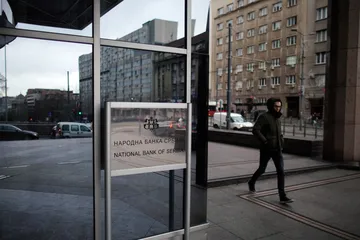
据米沙·萨维奇报道,在即将举行关键性临时选举之际,这个巴尔干国家已连续25个月维持借贷成本不变。此次选举将考验长期执政的 Aleksandar Vucic阵营与新崛起的学生主导政治团体之间的较量。
Serbia kept borrowing costs unchanged for a record 25th month as the Balkan nation heads into a pivotal snap election that pits the long-time ruling camp of Aleksandar Vucic against a nascent student-led political group. The National Bank of Serbia left its one-week benchmark rate at 5.75% on Thursday, as predicted by all analysts in a Bloomberg survey.
周四,塞尔维亚国家银行将一周期基准利率维持在5.75%的水平,这与彭博社调查中所有分析师的预期相符。多数经济学家认为,今年剩余时间内借贷成本仍将保持稳定,在参与调查的12位经济学家中仅有两人预计12月会实施货币紧缩政策。
Most economists see borrowing costs staying steady for the rest of the year. Only two out of 12 expect monetary tightening in December.
此次月度议息会议是10月25日大选前的最后一次决策。作为该国最具影响力的领导人,Vucic已于上月辞去总统职务,意在确保其政党获胜后自己能转任总理以继续掌权。
The policymakers’ monthly meeting was the last before Serbs go to the polls on Oct. 25. Vucic, the country’s dominant leader, stepped down last month from the presidency as he plans to retain power and switch to the position of prime minister if his party wins.
为迎接选举,现任政府放宽了财政限制,向所有成年公民发放现金补助,并提高了公职人员薪资、养老金及福利水平。此举预计将使本年度财政赤字占GDP比重从原先预估的3%升至3.5%。
The outgoing administration has loosened fiscal limits ahead of the elections, offering cash handouts to all adult citizens, bigger public wages, pensions and welfare. This is seen widening this year’s budget gap to 3.5% of gross domestic product from 3% predicted earlier.
然而,自2012年首次组阁以来,Vucic领导的政党此次面临最大挑战:2024年末由大学生发起的草根运动已发展为强劲政治力量,部分民调显示该团体有望赢得多数选票。
However, his party faces the biggest challenge since forming its first government in 2012 as a grassroots movement started by university students in late 2024 evolved into a political force that, according to some polls, may win a majority of ballots.
值得关注的是,尽管能源价格大幅上涨(不过大部分仍受政府管控),塞尔维亚的通胀率已连续一年多处于1.5%-4.5%的目标区间内。据央行预测,8月2.2%的年通胀率本月将升至4%左右,并于2027年维持在该水平。剔除食品和能源等波动较大的项目后,8月核心通胀率也从7月的4.5%升至4.7%。
Still, inflation has been within Serbia’s 1.5%-4.5% target range for more than a year, despite a surge in energy prices, which are largely regulated. The central bank sees annual inflation edging up from 2.2% in August to around 4% this month, then stabilizing around that level in 2027. Core inflation, which excludes the most volatile items such as food and energy, quickened to 4.7% in August from 4.5% in July.