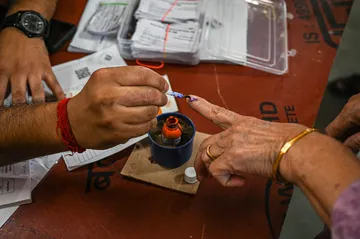
前,印度正在大规模修订选民名单,旨在剔除已去世、重复登记以及不符合投票资格的人员。然而,人们担心符合条件的选民也可能被从名单中剔除,进而可能影响选举结果。这一担忧使得此次“特别密集修订行动”(SIR)演变成一场充满政治争议的议题。
India is in the middle of a massive exercise to revise its electoral rolls by removing dead, duplicate and ineligible voters. But concerns that eligible voters could also be struck off the rolls — potentially affecting election outcomes — have turned the Special Intensive Revision, or SIR, into a politically charged controversy.
9月下旬,随着《印度快报》披露两名选举委员会委员在10个月内至少14次对修订流程提出异议,该行动受到更多审视。印度选举委员会则回应称,这些异议属于正常的决策程序,且所有决定均获得一致通过。
Scrutiny of the exercise intensified in late Septemberafter the Indian Express newspaper reported that two election commissioners raised objections about the process at least 14 times over a 10-month period. The Election Commission said the objections were part of its normal decision-making process and maintained that all decisions had been unanimous.
这一消息引发了莫迪总理反对者的强烈抗议,包括各反对党以及由青年主导的“蟑螂民众党”。他们指责此次选民名单修订有利于莫迪所在的执政党,并连续数日举行示威活动,要求选举委员会主席吉亚内什·库马尔辞职。以下是需要了解的关键信息:此次特别密集修订行动始于2025年6月,是二十多年来印度大部分地区首次开展的全面选民名单修订工作。
The revelations sparked a wave of protests by opponents of Prime Minister Narendra Modi, including opposition parties and the youth-led Cockroach Janta Party. They allege the voter-roll revision benefits Modi’s ruling party and have staged days of protests demanding the resignation of Chief Election Commissioner Gyanesh Kumar. Here’s what to know. The SIR, which began in June 2025, is the first intensive electoral-roll revision across most of India in more than two decades.
与每年例行更新(仅新增选民信息并更新住址)不同,此次修订涉及对全体选民进行更为彻底的重新核实。工作人员会将现有选民信息与2002年至2004年间进行的上一次密集修订时的记录进行比对,以确认哪些人已去世、已迁居、重复登记或无法与历史记录匹配。现有选民还需核实自身信息,部分人甚至需提供证明其具备投票资格的相关文件。
Unlike the regular annual revision, which adds new voters and updates addresses,the SIR involves a much broader re-verification of the electorate. Voters are checked against records from the previous intensive revision that was conducted between 2002 and 2004, to check those who have died, moved, appear more than once or can’t be matched to earlier electoral records. Existing voters are asked to verify their details and, in some cases,provide documents showing they are eligible to vote.
此次选民名单审核的规模极为庞大。据《印度快报》报道,目前已有超过1.3亿人的姓名未被列入二十多个邦及联邦属地的初步选民名单。不过这并不意味着这些人的姓名被永久剔除:选民仍可提出申诉或异议,争取让自己的名字被纳入最终版名单。
The scale is enormous. More than 130 million names have so far been left off draft electoral rolls across more than two dozen states and Union Territories, according to the Indian Express. That doesn’t mean they have all been permanently removed: Voters can file claims and objections and seek to have their names included in the final rolls.
印度选举委员会称,开展如此大规模的审核十分必要,因为自上次全面修订以来,人口迁移、人员死亡以及重复登记的情况不断累积,导致选民名单难以保持准确。自2004年起,印度人口增加了数亿,这使得维持选民名单的准确性愈发困难。
The Election Commission says such a sweeping review is necessary because migration, deaths and duplicate registrations have accumulated since the previous intensive revision. India’s population has surged by hundreds of millions of people since 2004, making it increasingly difficult to keep electoral rolls accurate.
此次审核首先在比哈尔邦启动,为该邦2025年的议会选举做准备。选举委员会表示,此举旨在确保选民名单准确且与时俱进。随后,包括泰米尔纳德邦、西孟加拉邦、喀拉拉邦和本地治里在内的多个邦也相继开展了类似审核工作,为各自2026年的选举做准备。作为印度人口最多的邦,北方邦预计将于2027年初举行选举。
The review began in Bihar ahead of the state’s 2025 assembly election, with the Election Commission saying it wanted to ensure the electoral rolls were accurate and up to date. Subsequent phases were carried out in several other states, including Tamil Nadu, West Bengal, Kerala and Puducherry, ahead of their 2026 elections. Uttar Pradesh, the country’s most populous state, is likely to hold an election in early 2027.
选举委员会称,此次审核旨在剔除不符合资格的登记信息,确保真正的选民能留在名单上。不过批评者指出,在如此大规模的范围内要求现有选民证明自身资格,有可能导致部分合格选民被错误地排除在外。去年,反对党及民间团体曾就此次选民名单审核向最高法院提起诉讼,但法院于5月份裁定选举委员会有权开展此项工作,同时要求采取额外措施来保护选民权益。
The Election Commission says the exercise is intended to remove ineligible entries and ensure that genuine voters remain on the rolls. Critics arguethat requiring existing voters to prove their eligibility on such a vast scale risks wrongly excluding some of them. Opposition parties and civil-society groupschallenged the SIR in the Supreme Court last year, but the court in May upheld the Election Commission’s authority to conduct the exercise, while insisting on extra safeguards for voters.
此次修订恰逢莫迪领导的印度人民党(BJP)及其盟友赢得各邦选举之后,进一步加剧了争议。SIR(选民名单修订)首次在比哈尔邦于2025年11月选举前实施,而该邦选举最终由印度人民党及其地区盟友赢得。在4月举行的西孟加拉邦选举前,约有900万选民因SIR的全面调整而被移除。随后,印度人民党在该邦首次以压倒性优势获胜。
The controversy has been heightened by the timing of revisions around state elections won by Modi’s Bharatiya Janata Party and its allies. The SIR was first conducted in Bihar ahead of its November 2025 election, which the BJP and its regional allies won. Ahead of the West Bengal election in April, about 9 million voters were removed as part of the SIR overhaul. The BJP went on to win the state for the first time — in a landslide.
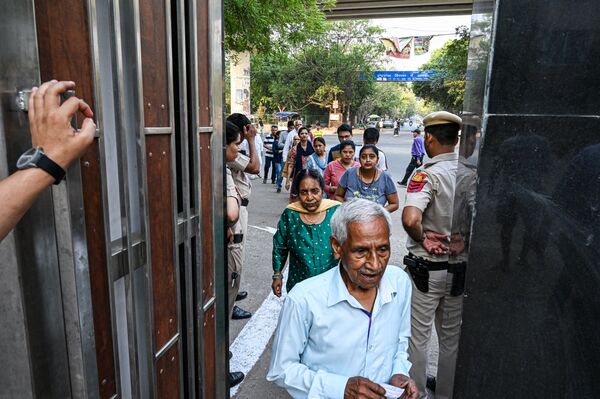
反对党指责印度人民党领导的政府利用这一程序移除较贫困的选民和穆斯林选民,称这些人不太可能支持莫迪主导的印度教政党。印度人民党否认了这些指控,而政治分析人士对SIR修订对选举结果的影响则看法不一。
Opposition parties have accused the BJP-led government of using the process to remove poorer and Muslim voters, whom they say are less likely to support Modi’s Hindu-dominated party. The BJP has denied the allegations, while political analysts are divided over the impact of the SIR exercise on election results.
在西孟加拉邦的选举中,一些分析人士指出,非印度人民党支持者的选区出现了更多选民被删除的情况。另一些人则表示,选民名单的变动影响甚微,选举结果反映出民众对时任首席部长玛玛塔·班纳吉执政的失望,从而转向了其他政党。
In the West Bengal elections, some analysts pointed to more voter deletions in areas dominated by non-BJP voters. Others said the voter roll changes had little impact, and that the outcome showed a swing away from the incumbent party because people were disillusioned with then-Chief Minister Mamata Banerjee’s rule.
近期,有关选举委员会内部存在分歧的报道,进一步引发了人们对这个负责监督印度选举的机构的质疑。据《印度快报》的调查报道,三名选举委员会成员中的两位——苏赫比尔·辛格·桑杜和维维克·乔希——曾十多次正式反对有关选民登记、删除、恢复以及选举数据库管理的决定。最高法院也正在审查另一项指控,即首席选举委员在修订过程中单方面做出决定,违反了相关规定。
More recently, reports of dissent from within the Election Commission itself have fueled scrutiny of the body responsible for overseeing India’s elections. According to the investigation by The Indian Express, two of the three Election Commissioners, Sukhbir Singh Sandhu and Vivek Joshi, formally objected more than a dozen times to decisions concerning voter registrations, deletions, restorations and control of the electoral database. The Supreme Court is also examining separate allegations that the chief election commissioner made unilateral decisions about how the revision was conducted in violation of the rules.
此次修订对那些缺乏必要证件、频繁搬家或在核实过程中难以被找到的选民造成了特别困难。批评者表示,这使得外来务工人员、贫困和边缘化群体以及一些老年选民更容易被排除在选民名单之外。
The revision poses particular difficulties for voters who lack the necessary documents, have moved frequently or can’t easily be located during the verification process. Critics say that leaves migrant workers, poor and marginalized communities and some elderly voters particularly vulnerable to exclusion.
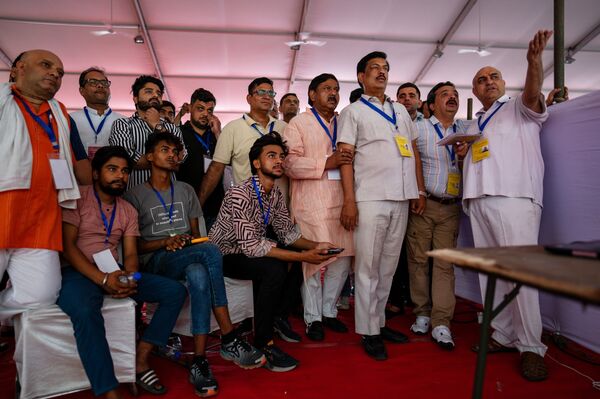
首次参与投票的选民可能还会面临更多障碍。去年6月,选举委员会在选民登记表之外新增了一项声明要求:新申请者必须说明自己或自己的父母、祖父母是否曾在上一轮特别选民名单中出现过。批评者指出,要查找到数十年前家庭成员的选区信息及选民编号等细节实属困难,尤其是当这些家庭成员后来搬了家的情况下。此外,最高法院也对选举委员会修改表格的做法提出质疑,指出该委员会事先并未获得法院的批准,这与其此前的说法相悖。
First-time voters could also face additional hurdles. In June last year, the Election Commission introduced a declaration — in addition to a voter registration form — requiring new applicants to state whether they or a parent or grandparent had appeared on electoral rolls during the previous SIR. Critics say tracking down decades-old details about family members such as their constituency and voter serial number could prove too difficult, particularly if they have moved since then. The Supreme Court has also questioned the Election Commission over changes to the form, saying it did not approve them, contrary to the commission’s earlier claim.