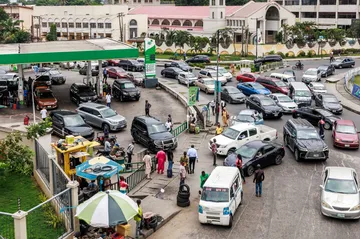
从尼日利亚到肯尼亚,非洲各国政府正在采取新措施,以缓解因伊朗战争引发的燃料价格上涨问题。
African governments from Nigeria to Kenya are adding fresh measures to soften a rise in fuel prices caused by the Iran war.
中东冲突是油价每桶达到100美元以及炼油能力受限的主要推手,导致加油站价格飙升。战争爆发之初,非洲各国采取了多种措施,包括暂停征税和推迟调整受监管的燃料价格。
The Middle East conflict has been a driving force behind $100 a barrel oil and constricted refining capacity, causing pump prices to surge. At the start of the war, African states took steps ranging from suspending taxes to delaying an upward adjustment in regulated fuel prices.
由于欧洲基准原油价格上个月基本维持在三位数水平,尼日利亚推出了一项被称为“价格调节”的措施。财政部长 Taiwo Oyedele 表示,该措施旨在推迟部分价格上涨调整,并在油价下跌时追回相应金额。
After European benchmark crude oil mostly remained in triple digits last month, Nigeria has introduced a measure referred to as “price modulation.”Finance Minister Taiwo Oyedele said this was designed to delay part of an upward price adjustment and recover that amount when prices decline.
“这既不是补贴,也不是价格管制,”他于周四在首都阿布贾对记者说,“其目的是让价格随时间推移趋于平稳,而非压制价格。”燃料价格和供应情况对非洲政府而言尤为敏感。一些国家已与贸易商或石油出口国达成供应协议,以确保石油运输。此外,运输成本——也是影响食品价格的因素——通常占家庭预算的很大一部分。
“This is neither a subsidy nor a price control,” he told reporters in Abuja, the capital, on Thursday. “It is designed to smooth prices over time rather than suppressing them.”Fuel prices and availability are particularly sensitive issues for African governments. Some have agreed to supply agreements with traders or oil exporting countries to help ensure shipments. And transportation costs — which also feed into food prices — typically make up a significant proportion of household budgets.
总统 Bola Tinubu 在2023年上任后废除了尼日利亚的燃料补贴,他将在明年1月寻求连任。政治风险咨询公司 Horizon Engage 的撒哈拉以南非洲地区主管 Clementine Wallop 表示,这一举措是一系列改革的一部分,有助于增强投资者信心,并加强与跨国贷款机构的关系。
President Bola Tinubu, who is seeking a second term in power in January elections, abolished Nigeria’s fuel subsidy after taking office in 2023. That was one of a series of changes that built investor confidence and strengthened relationships with multinational lenders, said Clementine Wallop, director for sub-Saharan Africa at Horizon Engage, a political-risk consultant.
她表示:“这一最新决定反映了政府在竞选季日益激烈之际对生活成本的担忧,也体现了蒂努布政府需要表明自己理解高燃料价格给消费者带来的压力。”“从政治角度来看,此举对蒂努布来说颇为棘手,因为他就任总统后的第一项举措正是取消燃料补贴。”
The latest decision “speaks to the government’s concern around cost of living as campaign season ramps up, and the need for the Tinubu administration to show it understands the pressure on consumers from high fuel prices,” she said. “Politically a move like this is tricky for Tinubu, whose first move as president was to scrap fuel subsidies.”
在肯尼亚,政府正寻求立法者的批准,将燃料的16%增值税减半,以“缓解全球燃料价格上涨对民众的影响”。南非最初曾削减燃料税,以减轻战争导致的价格上涨带来的冲击,但将这一缓解措施限制在三个月内,且已于六月到期。本周,南非将零售燃料价格上调12%,创下历史新高。加油站价格的上涨使该国通货膨胀率从战争爆发前的3%升至4.4%,促使中央银行迄今已两次加息。
In Kenya, the government is seeking lawmakers’ approval to slash the 16% value-added tax on fuel in half, to “cushion citizens from the global increase in fuel.”South Africa initially cut fuel taxes to cushion the blow of higher prices from the war, but set a three-month limit on the relief which expired in June. It raised retail fuel prices 12% to a record this week. Higher pump prices have lifted the country’s inflation rate to 4.4% from 3% before the war began, prompting the central bank to hike interest rates twice so far.
非洲大陆各国控制燃料价格的做法各不相同。津巴布韦于周四将汽油价格下调0.5%,至每升2.05美元。
Actions to control the fuel price differ throughout the continent. Zimbabwe on Thursday lowered the price of gasoline by 0.5% to $2.05 a liter.