人类作者撰写的书籍标签正逐渐普及,因为出版商和作家都在寻求更明确的证据来证明作品出自人类之手。
Human-authored book labels are gaining ground, as publishers and writers seek clearer proof of human writing.
英国、法国和德国目前已有计划对书籍进行认证,确认其为人类创作。
Schemes in Britain, France and Germany now certify books as human-made.
业内部分人士欢迎这些标签,但也有人警告称,这些标签很容易规避,并指出行业需要更深入的透明度规则。
Some in the trade welcome the labels, but others warn that they are easy to dodge and say the industry needs deeper rules on transparency.
人工智能生成 法兰克福——在一系列作者被怀疑未经承认便使用人工智能技术的丑闻之后,将书籍标注为人类而非人工智能所写的举措正逐渐普及。
AI generated FRANKFURT – Initiatives to label books as written by humans, and not artificial intelligence, are gaining ground following a string of scandals where authors were suspected of using the technology without admitting it.
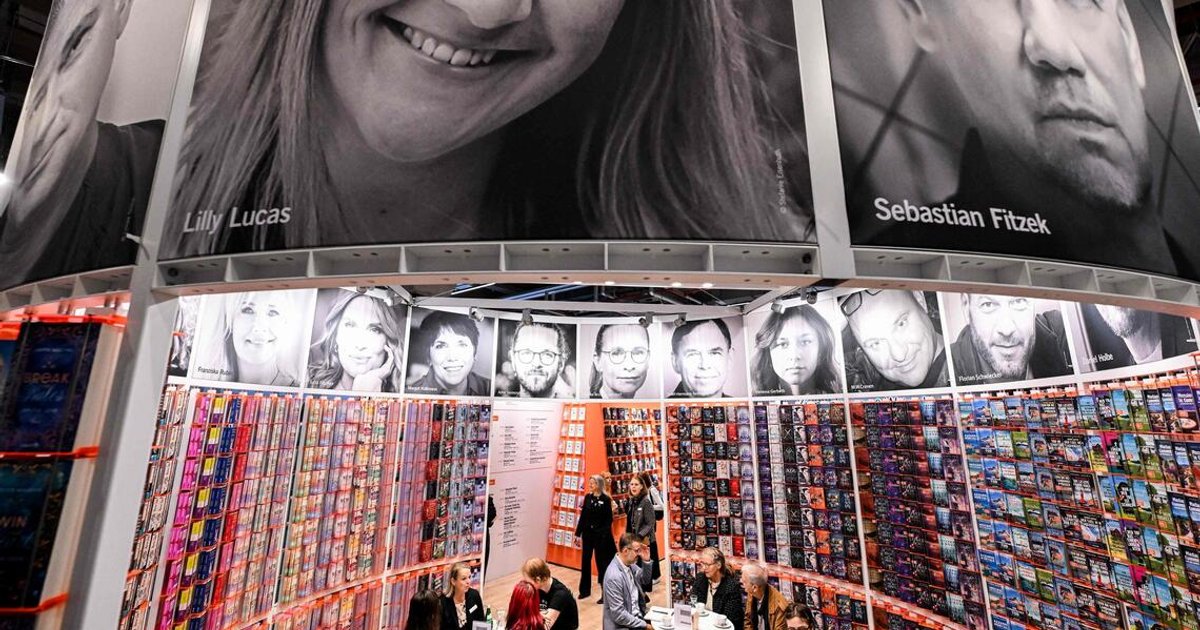
本周,在法兰克福举行的全球最大图书行业博览会上,来自英国、法国和德国的多个标签计划纷纷亮相,人工智能带来的挑战也成为热议话题。
Several labelling schemes, including from Britain, France and Germany, were being showcased at the world’s biggest book industry fair in Frankfurt this week, where the challenges posed by AI were hotly debated.
近期被指控使用人工智能的作家中,最引人注目的案例是海地裔加拿大作家Thelyson Orelien,此事已撼动法语文学界。他已否认相关指控。
Among recent cases where authors allegedly used AI, the most high-profile is that of Haitian-Canadian author Thelyson Orelien, which has rocked the French-language literary world. He has denied the claims.
Librinova公司的联合创始人Charlotte Allibert表示,这起事件对法国图书行业而言是一场“真正的地震”。Librinova是一家自助出版公司和文学代理机构。
The affair was a “real earthquake” for the French book trade, Charlotte Allibert, co-founder of Librinova, a self-publishing company and literary agency, said.
该法国集团运营着一项计划:作者可以付费让自己的书籍经过评估,并贴上“人类创作”的标签。截至目前,已有约200部作品获得了这一认证。
The French group runs a scheme under which authors can get their books assessed and then labelled as a “human creation” for a small fee, with about 200 works so far given the stamp.
希望获得该标签的作家需要让自己的作品通过人工智能检测软件,并接受审计员的访谈,审计员还会亲自检查书籍内容。
Writers who want the label have their works run through AI detection software and undergo an interview with an auditor, who also checks the book personally.
Allibert表示:“作者们知道我们致力于解决这个问题,这让他们感到安心。越来越多的作家担心被怀疑使用人工智能——尤其是自助出版的作家。”“有机文学”另一项计划来自英国初创公司Books By People。本周,该公司宣布其针对人类作者作品推出的认证标志已获得该国知识产权局批准。
“It’s reassuring for authors to know that we’re committed to this issue,” said Allibert. “More and more, authors are afraid of being suspected of using AI – self‑published authors even more so.”‘Organic literature’Another scheme is from British startup Books By People, which this week announced its certification mark for human-authored works has beened by the country’s intellectual property office.
要获得该认证印章,作品必须符合该组织的“有机文学”标准,即要求作品出自作者本人之手,同时允许在拼写或语法检查等任务中有限度地使用人工智能。
To get the stamp, titles have to meet the group’s “organic literature” standards, which require the writing to originate from its author while allowing limited use of AI for tasks such as spelling or grammar checks.
“我们希望创建一个全面、透明且可靠的框架,供出版商和作者参考使用,”该倡议的联合创始人埃斯梅·丹尼斯表示。
“We want to create a comprehensive, transparent, reliable framework that publishers and authors can fall back on,” Esme Dennys, the initiative’s co-founder, said.
“近几个月来,人们对未披露的人工智能使用问题愈发担忧。我们收到了来自世界各地越来越多的关注,”她说。
“Anxiety around undisclosed AI use has increased in recent months. We have been getting a lot more interest from people all over the world,” she said.
出版商需付费加入该计划,之后便可申请为其作者的作品贴上“Books By People”标志。
Publishers sign up to the scheme for a fee, and can then request to get their authors’ books labelled with the Books By People mark.
该计划最初由五家独立出版社启动,并计划在未来几个月内公布更多成员。
The scheme launched with five independent publishers, and is set to announce more members in the coming months.
在美国,作家组织“作家协会”也推出了一项“人类创作”认证标志。
In the United States, writers group the Authors Guild has introduced a “human authored” certification mark.
这是一个自我认证体系,要求作者签署许可协议。截至目前,已有约6500部作品获得了该认证。
It is a self-certification system that requires authors to sign a licence agreement, and so far around 6,500 titles have received the stamp.
愈演愈烈的丑闻 围绕奥雷利恩的争议于9月爆发,当时一个匿名的X账户声称,根据人工智能检测网站对部分章节的分析,这位38岁的作家使用人工智能创作了他的首部长篇小说《要么那样,要么死去》。
Mounting scandals The controversy surrounding Orelien erupted in September when an anonymous X account alleged the 38-year old used AI to write his debut novel, It Was Either That Or Die, based on analysis of excerpts by AI-detection websites.
他否认了这些指控,并认为针对其作品的攻击带有种族歧视动机。尽管如此,这场丑闻仍导致他被法国顶级文学奖项除名。近期也出现了其他多起类似事件。
He has denied the claims and believes the attacks on his work are racially motivated, although the scandal led to him being dropped from France’s top literary prize. There have also been a string of other cases in recent times.
2026年早些时候,出版社哈珀柯林斯因被指控使用人工智能,取消了米亚·巴拉德恐怖小说《害羞的女孩》在美国的出版计划,并从英国市场下架了该书。
Earlier in 2026, publisher Hachette cancelled the release of horror novel Shy Girl by Mia Ballard in the US and withdrew the book from sale in Britain over allegations of AI use.
在接受《纽约时报》采访时,巴拉德否认自己亲自使用过人工智能,但她表示,她曾聘请一位熟人编辑这本书(该书最初为自费出版),而这位编辑使用了人工智能。
In comments to the New York Times, Ballard denied personally using AI but said an acquaintance she hired to edit the book, which was originally self-published, used AI.
尽管丑闻不断,但出版界仍有人对设立此类标签的做法持怀疑态度。
Despite the mounting scandals, some in the book trade view the idea of labels with scepticism.
目前的方案大多只允许有限地使用人工智能,例如用于研究和语法检查,但人们担心这些方案可能存在解释空间。
Current schemes mostly allow a minimal use of AI, for example for research and grammar checks, but there are worries this could be open to interpretation.
此外,也有人担忧,在这些尚处于起步阶段的举措中,规避检查可能过于容易,导致人工智能生成的书籍被当作人类作品。
There are also concerns it could be too easy to circumvent checks in the fledgling initiatives, and pass off AI-produced books as human-written.
德国出版商和书商协会主席塞巴斯蒂安·古戈尔茨表示,图书行业正在努力确定应采取何种方式。
Sebastian Guggolz, head of the German Publishers and Booksellers Association, said the book trade was struggling with what approach to take.
他在书展上表示:“不存在简单的‘使用人工智能’或‘不使用人工智能’的选择。”他还补充说,用于界定一本书中人工智能使用程度的基本方案可能并不充分。
“There’s no simple ‘with AI’ or ‘without AI’,” he said at the book fair, adding that basic schemes to categorise how much AI was used to produce a title could fall short.
“这个问题需要更深入地探讨,”他说,“我们必须向每一位从业者乃至整个行业提出:我们如何才能让自身的实践更加透明?”(法新社)
“The question has to go deeper,” he said. “It has to be addressed to each individual and to the entire industry: How do we want to make our practices transparent?”AFP