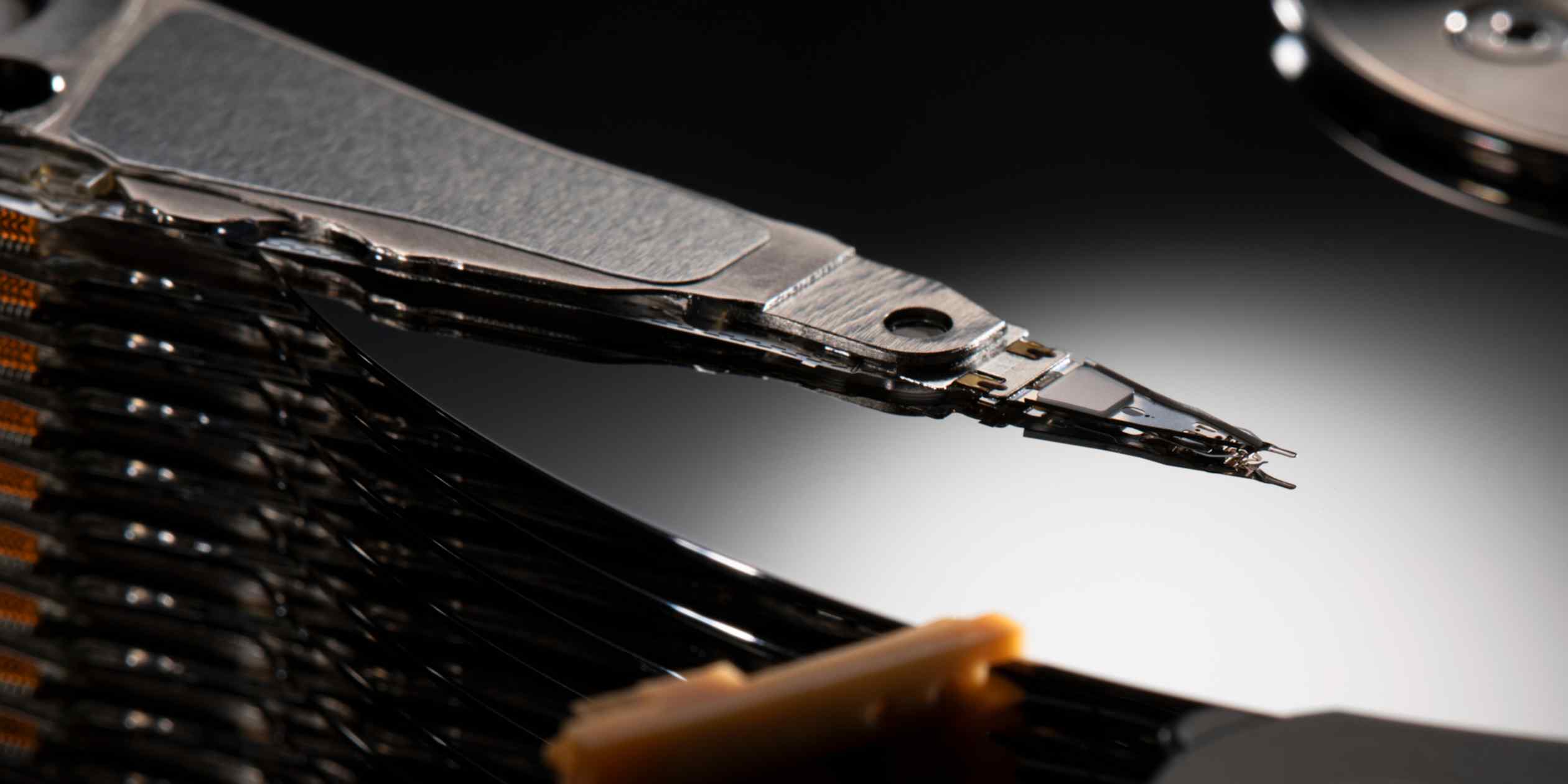
东京——日本电子元件制造商TDK正计划出售其硬盘驱动器用磁头业务,目前已在与客户东芝以及美国希捷科技展开洽谈。
TOKYO -- Japanese electronic components maker TDK is moving to sell its magnetic head business for hard disk drives (HDDs), entering talks with customers Toshiba and U.S.-based Seagate Technology.
除交易价格外,日本监管机构是否会批准此次出售也将是后续谈判的关键考量因素。
Besides the price, whether or not Japanese regulators approve the sale will be a focus going forward on a deal.
随着人工智能产业的蓬勃发展,大量数据中心相继建成,对硬盘驱动器的需求也随之激增。磁头作为读取与写入数据的核心部件,东芝与希捷均有意收购TDK的相关业务以确保供应链稳定。
Demand for HDDs is surging as more data centers are built to accommodate the artificial intelligence boom. Magnetic heads are key components that read and write data, and Toshiba and Seagate are considering buying TDK's operations to ensure stable supplies.
近年来,TDK通过不断调整业务结构实现了稳步增长。眼下,该公司希望借助人工智能带来的市场机遇以高价出售磁头业务,从而获取资金用于发展电池及数据中心用传感器等重点业务。
TDK has grown by reshuffling its business portfolio. The company aims to sell its magnetic head business at a high price while it benefits from AI-driven demand, securing funds to invest in priority businesses such as batteries and sensors for data centers.
针对此次可能的出售事宜,TDK表示:“公司正强化业务组合管理,并采取其他举措以进一步提升企业价值。”截至3月的上一财年中,以磁头业务为核心的TDK磁性应用产品业务实现了2629亿日元(约合16.6亿美元)的营收,同比增长18%;营业利润更是大幅增长8倍,达到270亿日元。预计此次交易的成交价将达数千亿日元。
Regarding the possible sale, TDK said it is "strengthening business portfolio management and taking other steps to further enhance corporate value." TDK's magnetic application products business, which centers on magnetic heads, posted revenue of 262.9 billion yen ($1.66 billion) for the fiscal year ended March, up 18% on the year. Operating profit surged eightfold to 27 billion yen. The sale price is expected to be in the hundreds of billions of yen.
目前谈判尚处于初期阶段,TDK最终也有可能决定保留该业务。据多位知情人士透露,最初是东芝率先与TDK接洽收购事宜,随后希捷提出了更高的收购报价。
Negotiations are still in the early stages, and TDK could ultimately hold on to the business. Toshiba first entered talks with TDK about an acquisition, after which Seagate apparently offered a higher bid, according to multiple people familiar with the matter.
自2000年起,随着硬盘驱动器市场逐渐成熟,行业整合步伐也不断加快。据市场调研机构Techno Systems Research统计,美国西部数据以43%的市场份额稳居全球首位,希捷以40%的份额紧随其后,东芝则占据17%的份额,整个市场已形成由这三家企业主导的格局。
Consolidation in the HDD industry has picked up since 2000 as the market matured. U.S.-based Western Digital leads the global market with a 43% share, according to research firm Techno Systems Research, followed by Seagate at 40% and Toshiba at 17%, leaving the market dominated by three companies.
TDK是全球唯一的磁头独立供应商。该公司约80%的产量供应给东芝,其余供应给两家美国硬盘制造商。西部数据和希捷也自产磁头。
TDK is the world's only independent supplier of magnetic heads. The company supplies roughly 80% of its output to Toshiba, with the remainder going to the two U.S. HDD makers. Western Digital and Seagate also produce magnetic heads in-house.
完全依赖TDK供应磁头的东芝,对希捷的收购持警惕态度。此类交易可能让这家美国公司洞悉东芝的成本结构等信息。与此同时,希捷虽自产磁头,但为应对市场增长,正寻求扩大供应。
Toshiba, which relies entirely on TDK for the component, is wary of an acquisition by Seagate. Such a deal could give the American company insight into Toshiba's cost structure and other information. Meanwhile, Seagate makes its own magnetic heads, but the company seeks to expand its supply in anticipation of market growth.
但在寡头垄断的市场中,并购交易面临竞争主管部门的严格审查。经济安全考量也将是关键。日本经济产业省7月发布的新并购指南明确将强化国内供应链列为此类交易的考量因素。
But mergers and acquisitions in a market dominated by few companies face strict scrutiny from competition authorities. Economic security considerations will also be key. New guidelines on M&As released in July by Japan's Ministry of Economy, Trade and Industry explicitly listed strengthening domestic supply chains as a factor to be considered in such deals.
AI基础设施日益重要,日本企业供应硬盘所用的许多零部件。若政府认定出售构成经济安全担忧,可能会对交易持谨慎态度。
AI infrastructure is becoming increasingly important, and Japanese companies supply many of the components used in HDDs. If the government determines that a sale poses economic security concerns, it could be cautious about the deal.
一般并购中,出价最高者通常成为买家。但涉及AI基础设施的交易伴随反垄断、经济安全等复杂考量,导致TDK谈判结果难以预测。
In ordinary M&A, the highest bidder typically emerges as the buyer. But deals involving AI infrastructure come with complex consideration such as antitrust and economic security, making the outcome of the TDK negotiations difficult to predict.