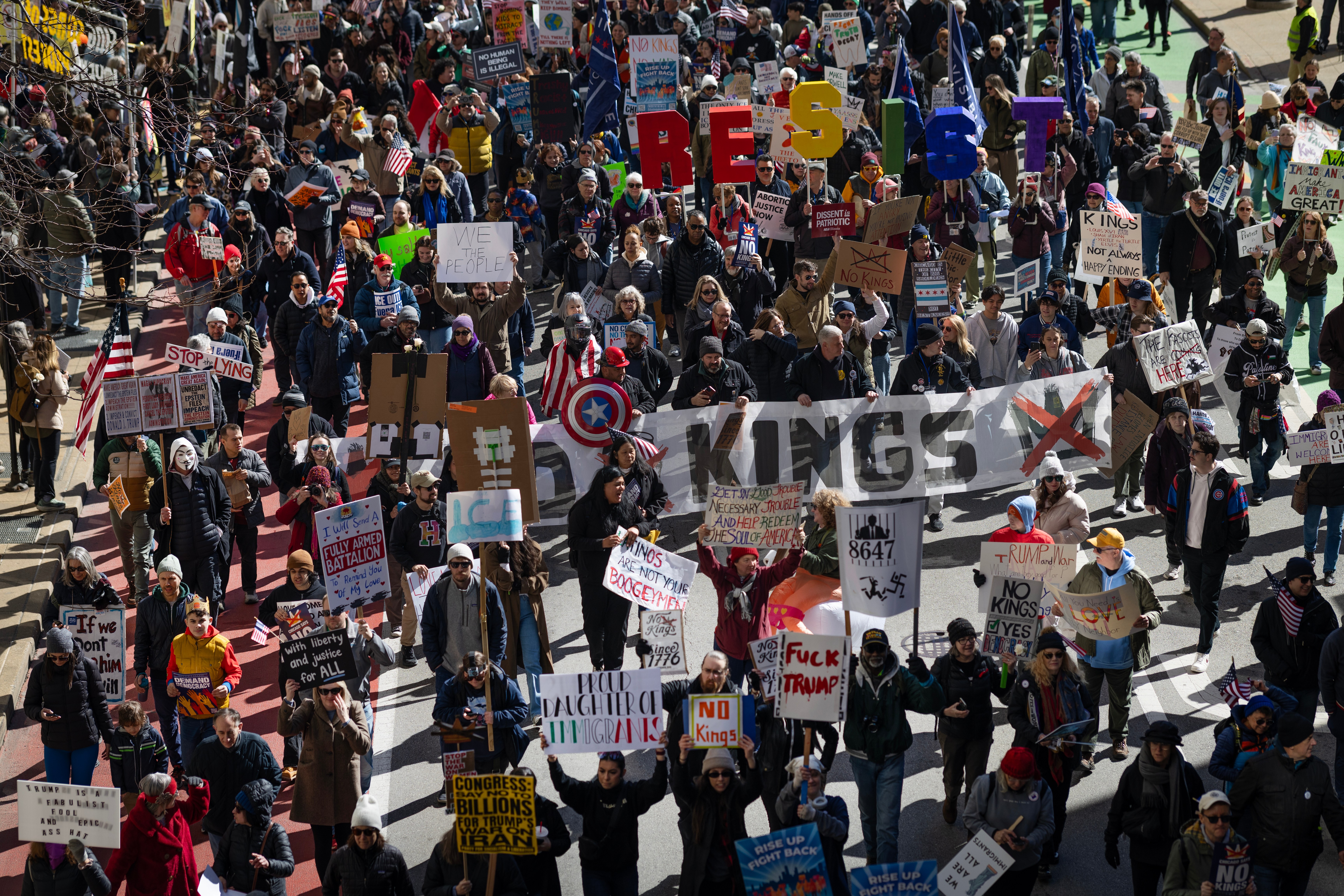
最近,你是否被某个年长的和平主义者训斥过,说他们怀念街头抗议的“美好旧时光”?我就被训斥过!
Have you been recently scolded by an older peacenik about the good old days of street protests? I have!
你是否也遇到过某个年长而备受爱戴的活动家——甚至可能是你的导师——抱怨“现在的年轻人”,并批评他们缺乏政治参与?你是否听过那种令人胆寒的开场白:“在我那个年代,我们……”——然后自行填空——游行、罢工、组织行动?
Has an older beloved activist — a mentor, even — bemoaned “kids these days” and criticized their lack of political engagement? Have you heard the dreaded preamble: “In my day, we…” — fill in the blank — marched, struck, organized?
最近,我本人就收到了类似的指责,尽管我已经算不上什么“年轻人”了。这些年长的活动家看不到民众的愤怒,也看不到反对声浪,更看不到抵抗的力量。但这或许只是因为他们没有朝正确的方向看。因为只要你知道该往哪里看,就会发现抵抗的力量其实无处不在。不过,这些我们稍后再详谈。
I have been on the receiving end of some of these rebukes recently, even though I am not much of a kid anymore. These aging activists aren’t seeing the outrage. They aren’t seeing the opposition. They aren’t seeing the resistance. But it might just mean they aren’t looking in the right place. Because there is plenty of resistance if you know where to look. But more on that later. The war against Iran is hugely unpopular.
对伊朗的战争极不得人心。这不仅仅是一场遥远而抽象的错事,它正在对美国人的日常生活产生切实的影响。汽油和取暖燃料的价格已经上涨,而且未来还会继续上涨。布朗大学气候解决方案实验室推出的“伊朗战争能源成本追踪器”项目估计,每个美国家庭平均要承担近1000美元的战争税。这还不包括军事行动迄今为止已经产生的巨额实际成本:近400亿美元,并且每月以20亿至30亿美元的速度持续增加,预计最终成本将达到数万亿美元。
And it is not just a faraway, abstract wrong. It is having a demonstrable impact on the daily lives of Americans. Gas and heating fuel are and will continue to be more expensive. The Iran War Energy Cost Tracker, a project of Brown University’s Climate Solutions Lab, estimates a nearly $1,000 war tax paid by each U.S. household. That is on top of the actual and massive price tag of military operations so far: nearly $40 billion and rising at a rate of $2 to 3 billion a month, with the projected final price tag in the trillions.
二月底,特朗普的战争以典型的“特朗普式”方式爆发:一场大规模轰炸不仅针对伊朗领导人,也波及了最弱小、最无辜的伊朗民众。“史诗怒火行动”甚至将一所小学纳为攻击目标,结果导致该学校被彻底摧毁。由雷神公司制造的“战斧”导弹击中了伊朗米纳布市的那所学校,造成156名平民死亡,其中大多数是儿童。联合国调查小组目前认定,美国的这次袭击属于战争罪。
At the end of February, Trump’s war opened in typical Trumpian fashion with a massive bombardment that not only targeted Iranian leaders but also the smallest and most innocent Iranians: Operation Epic Fury had an elementary school in its sights, and the result was obliteration. Raytheon-manufactured Tomahawk missiles slammed into the school in Minab, Iran, killing 156 civilians, most of them children. A U.N. panel now asserts that the U.S. attack was a war crime.
随着战争持续进行,抵抗运动也从未停止。3月,北卡罗来纳州参议院选举中的绿党候选人、前海军陆战队员兼“和平老兵”组织成员布莱恩·麦金尼斯(Brian McGinnis)扰乱了一场参议院听证会,高喊:“美国人不想为以色列打这场仗。”(他因此被国会警察打断了手臂。)同月,一位反恐高官乔·肯特(Joe Kent)因反对对伊朗发动战争而辞去特朗普政府中的职务。4月,超过65名退伍军人和军人家属在国会大楼内被捕,他们抗议对伊朗非法使用军事力量。这样的例子不胜枚举。
As the war ground on, the resistance continued. In March, Green Party candidate for Senate in North Carolina, former Marine, and member of Veterans for Peace, Brian McGinnis, disrupted a Senate hearing, shouting: “Americans do not want to fight this war for Israel.” (He suffered a broken arm at the hands of Capitol Police.) That same month, a top counterterrorism official, Joe Kent, resigned from the Trump administration, citing his opposition to the Iran war. More than 65 veterans and military family members were arrested inside a congressional building in April, protesting the illegal use of military force against Iran. The list goes on and on and on.
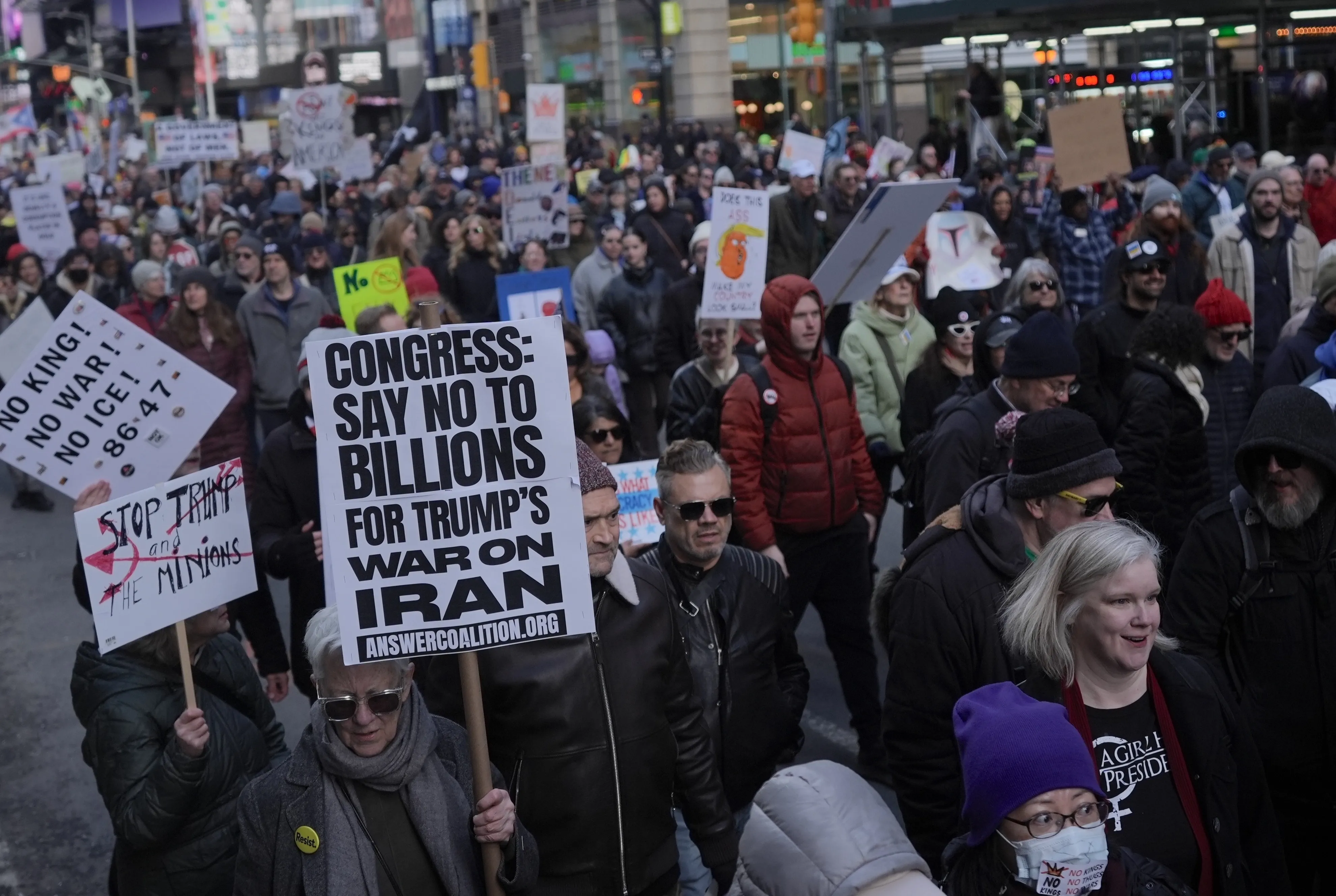
然而,我们并未看到23年前伊拉克战争前夕那种大规模抗议活动的重演。这或许可以理解,或许也并无不妥。游行去哪儿?为了阻止什么?
But we have not seen a reprise of the massive protests that marked the lead-up to the Iraq War 23 years ago. Maybe it’s understandable. And maybe it’s OK. March Where? To Stop What?
我热爱一场精彩的抗议游行。我喜欢那些标语牌、现场的氛围、口号声、音乐、统一的服装、批量印刷的传单,以及富有创意的自制标语——各种双关语、头韵和愤怒的呐喊,在纸板与泡沫板上闪耀出真正的彩虹色彩。我喜欢到活动结束时,背包里塞满了各类简报、激进小册子、贴纸和下次集会的传单。我也喜欢与朋友偶然相遇的惊喜。
I love a good protest march. I love the signs, the energy, the chanting, the music, coordinated outfits, mass-printed placards, and creative, handmade signs, a veritable rainbow of puns and alliteration and outrage glittered to cardboard and foamcore. I love the collection of newsletters and radical tracts and stickers and flyers for the next get-together that fill my backpack by the end. I love the chance encounters with friends. (“OMG, I didn’t know you’d be here.”)
(“天哪,我都不知道你会在这里。”)很久以前,我曾担任“团结争取和平与正义”组织指导委员会的成员,并在组织那些盛大而精彩的反战游行中扮演过极其微小的角色。
For a time, long ago, I served on the United for Peace and Justice steering committee and played a very small role in organizing such big and beautiful anti-war marches.
但我有一位70多岁的女性朋友,她最近表示:我再也不会选择在周末去一座空无一人的城市里游行了。我同意她的看法。她的意思是,大型抗议游行通常为了方便上班族而安排在周末。但那些我们想以民众力量去对抗的领导人,周末根本不在办公室。在我居住的康涅狄格州,这意味着我们最终只能在哈特福德市中心空无一人的街区里绕圈游行,我们的口号声在空荡荡的办公楼群中消失得无影无踪。
But I have a friend in her 70s who recently announced: I will not march in an empty city on a weekend ever again. And I agree. Her point was that big protest marches are often planned to be convenient for working people, so they are scheduled on weekends. But the leaders we want to confront with our people power don’t work on the weekends. In Connecticut, where I live, that means we end up marching in circles around a deserted downtown Hartford, our chants lost in the caverns of empty office buildings.
这种事在华盛顿特区也时有发生。去年秋天,据称有20万人参加了在首都举行的“不要国王”集会,而与此同时,特朗普却在佛罗里达州他的马阿拉戈度假村举办了一场每桌收费100万美元的筹款活动。这并没有打破常规运作,也没有创造任何替代方案。因此,这一切最终显得作秀意味十足,就像一场数字游戏。我们到场只是为了被统计。
That happens in Washington, D.C., too. The weekend that 200,000 people reportedly marched at a “No Kings” rally in the capital last fall, Trump was holding a $1 million-per-plate fundraiser at his Mar-a-Lago resort in Florida. That is not disrupting business as usual. It is not creating some alternative. So it ends up feeling performative and like a numbers game. We show up to be counted.
而现在,统计本身已经成了战场。在华盛顿特区,美国公园警察过去会统计抗议活动的人数。但到了20世纪90年代,他们停止了这种做法,因为“百万人大游行”曾质疑他们的统计数据过低。
And now, the counting is itself a battleground. In D.C., the U.S. Park Police used to count crowds at protests. But they stopped in the 1990s, after the Million Man March challenged their count as a low-ball figure.
就我个人而言,我宁愿在周一走上高速公路中央,阻断交通,静坐抗议,要求世界停止一切如常的运作,直到为米纳布学校的孩子们伸张正义,或者终结以色列定居者在西岸的暴力行为,或者终结以色列在加沙的种族灭绝行径。
Personally, I would march on a Monday, down the middle of the highway, stop traffic, and sit in to demand that the world stop business as usual until there is justice for the children of the Minab school, or an end to Israeli settler violence in the West Bank, or an end to the Israeli genocide in Gaza.
但我同意我朋友的说法。我不会参加一场容易被忽视的作秀式抗议。一天游行,第二天就恢复一切如常,这在政治上到底有什么意义?
But I agree with my friend. I am not going to a performative protest that’s easy to ignore. What is the political utility of marching one day and then returning to business as usual the next?
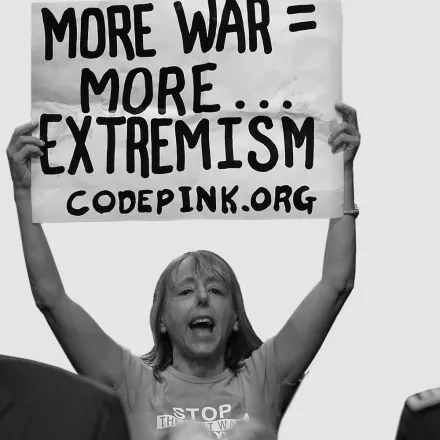
我们的历史是灵感,而非说教者的素材。我头发已经白了,再也不能说这为时过早。当人们误以为我是个奶奶时,我正在学习优雅地接受这一点。52岁的我,可能已经当上祖母了。但我还太年轻,没能经历过那些所谓的抗议游行黄金时代——那些需要数月甚至数年组织工作和政治智慧的游行。这些游行——比如1963年的“华盛顿就业与自由大游行”,1969年11月那场旨在结束越南战争的大规模“休战运动”,或是1971年4月因越南退伍军人扔掷勋章而闻名的抗议活动——都展现了这些运动在组织、经济和文化上的力量。
Our History Is Inspiration, Not Fodder for Scolds I am white-haired and I can no longer say it is premature. When people assume I am a grandma, I am learning to accept it gracefully. At 52, I could be a grandmother. But I am too young to have lived through the so-called heyday of protest marches that required months or years of organizing work and political finesse. These marches — like the 1963 March on Washington for Jobs and Freedom, or the huge November 1969 Moratorium to End the War in Vietnam, or the April 1971 protest made famous by Vietnam veterans throwing their medals — demonstrated the movements’ organization, economic, and cultural power.
华盛顿大游行是数十年愿景规划、多年辛勤努力以及数十万美元资金投入的成果。这场游行吸引了多达25万名以非裔美国人为主的民众齐聚美国首都,共同呼吁通过民权法案、消除种族隔离、创造更多就业机会、保障投票权等。这场游行也被视为推动《民权法》与《投票权法》得以通过的重要推动力。
The March on Washington was the culmination of decades of vision, years of work, and hundreds of thousands of dollars. It brought upward of 250,000 mostly Black Americans to the nation’s capital to demand a civil rights act, desegregation, jobs, the right to vote, and more. The march is credited with helping pass both the Civil Rights and the Voting Rights acts.
在我有生之年,还发生过多次具有不同意义的大规模民众动员活动。1982年6月12日在纽约市举行的反核裁军大游行与集会,至今仍是美国历史上规模最大的单一抗议活动:超过100万人齐声呼吁消除核武器带来的威胁。当时街道上挤满了人,以至于数万名参与者根本没能抵达中央公园的集会现场!
During my lifetime, there have been major mass mobilizations of varying utility. The June 12, 1982, March and Rally for Nuclear Disarmament in New York City was the largest single protest in U.S. history (so far), with more than 1 million people calling for an end to the nuclear weapons threat. There were so many people lined up in the streets that tens of thousands of marchers never even arrived at the rally in Central Park!
这场活动是为配合联合国核裁军会议而组织的,是18个月筹备工作的结晶。后来参与创立“美国和平行动联盟”的协调人莱斯利·卡根回忆称,这次游行“取得了巨大成功”。历史学家文森特·因通迪则认为,这次活动是一个文化转折点,为近四十年后《禁止核武器条约》的诞生创造了条件。这场由女性主导、充满欢乐氛围且倡导多元包容的集会还鼓励参与者将游行精神带回各自社区,从而催生了全美各地无数反核事业的发展。
Organized to coincide with the United Nations meetings on nuclear disarmament, the event was the culmination of 18 months of work. Coordinator Leslie Cagan, who eventually helped found UFPJ, recalled that the march was “a tremendous success.”Historians like Vincent Intondi credit it as a cultural turning point that created the conditions for the Treaty on the Prohibition of Nuclear Weapons nearly four decades later. Intersectional, joyful, and woman-led, the rally also encouraged participants to bring the spirit of the march home with them, seeding countless anti-nuclear community efforts around the nation.
2003年2月,全球近800个城市爆发了大规模集会与游行,全世界民众共同反对美国即将对伊拉克发动的战争。这些行动既展现了民众的力量,也暴露了此类抵抗形式的局限性。全球范围内,多达3000万人参与了这场史无前例的联合行动,从希腊的雅典到克罗地亚的萨格勒布,到处都有游行队伍的身影。《纽约时报》将这场反对布什发动战争的全球运动称为“另一个超级大国”,然而街头上展现出的声势却未能转化为足以阻止这场建立在谎言基础上的战争的政治、经济与文化力量。
In February 2003, the world said no to the impending U.S. war on Iraq with rallies and marches in almost 800 cities around the globe, demonstrating both the power of the people and the limitations of this form of resistance. All over the world, as many as 30 million people participated in an unprecedented coordinated series of actions, with marches from Athens, Greece, to Zagreb, Croatia. The pages of the New York Times called the global movement against the Bush war the “Other Superpower,” but the muscle flexed in the streets did not translate into the political, economic, or cultural might needed to stave off a war built on a web of lies.
历史学家杰里米·瓦伦在其近期出版的关于反恐怖主义战争运动的著作《我们的悲痛并非战争的呐喊》中,生动描述了这些游行与集会的影响力。他指出,尽管这些行动没能阻止伊拉克战争的爆发,却推动并壮大了和平运动,而这一运动至今仍在以各种创新方式持续抗争。我们的历史充满启示意义,我们应当铭记这段历史,并从中汲取对当下具有战略价值的经验。
Historian Jeremy Varon writes vividly about the impact of the marches and rallies in his recent study of the movement against the war on terror, “Our Grief is Not a Cry for War,” concluding that while they didn’t keep the Iraq war from happening, they bolstered and built a peace movement that is still active in creative resistance today. Our past is inspiring. We need to learn this history and apply the lessons that make strategic sense for this context.
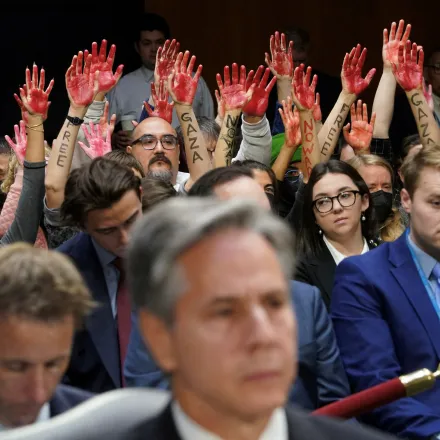
我们不应沉溺于过去,自责道:“天哪,1982年时他们能动员百万人参与核裁军游行,而我连十个人都召集不到来参加街头抗议。”常言道:“以史为鉴,避免重蹈覆辙。”我认为这句话同样适用于社会运动的历史。我们铭记历史并非为了将其封存为珍贵的标本,而是为了从中汲取智慧,并将其运用到2026年的现实环境中。如今,社交媒体上充斥着大量负面新闻、虚假信息、娱乐化资讯以及煽动愤怒的内容,我们更需要从历史中汲取力量。
We shouldn’t look at the past and beat ourselves up by saying, “Wow, they got a million people to turn out for nuclear disarmament in 1982, and I can’t even get 10 people to come to a street corner protest.”The saying goes, “We learn our history so we don’t repeat it,” and I think that goes for movement history, too. We don’t want to repeat history to keep it precious and amber-encased. We want to learn from it and apply what is useful to our own very different moment right here in 2026, where we are flooded with social media’s steady stream of bad news, fake news, infotainment, and rage-bait.
如今,人们筋疲力尽,身心俱疲,还为自己的底线忧心忡忡。或者,或许我应该只谈谈自己。我确实筋疲力尽,身心俱疲,而且极度焦虑。陷入绝望很容易。现代生活中的每一样东西似乎都在助长我们个人的绝望与孤立。当我们感到孤独和无助时,反而会成为更出色的消费者。
Today, people are exhausted, stretched thin, worried about their own bottom lines. Or maybe I should just speak for myself. I am exhausted. Stretched thin. Supremely worried. It is easy to despair. Everything in modern life seems geared toward our individual hopelessness and isolation. We are better consumers when we feel alone and powerless.
和许多人一样,政治学家埃里卡·切诺韦思在2010年代关于非暴力公民抵抗与政权更迭的研究激励了我,她的研究确立了“3.5%法则”。该法则指出,没有任何政府能够承受住这样一种挑战:当其人口中3.5%的人动员起来参与一场“高峰事件”(例如大规模抗议)时。这听起来既简单又可行——直到我真正算了一笔账。美国人口的3.5%大约为1200万人。
Like many, I was inspired by political scientist Erica Chenoweth’s 2010s research on nonviolent civil resistance and regime change, which established the 3.5 percent rule. It states that no government can withstand a challenge where 3.5 percent of its population is mobilized for a “peak event” like a mass protest. It seemed simple and achievable. That is, until I did the math. Three and a half percent of the U.S. population is approximately 12 million people.
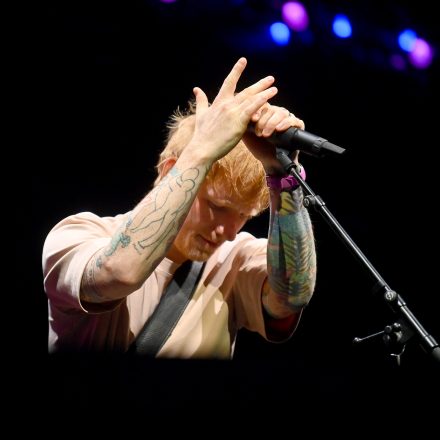
而泰勒·斯威夫特整个“时代巡演”的门票销量仅为1000万张——这场巡演在51个城市、21个国家举办了149场售罄的演出。即便我们把所有这些“斯威夫特粉丝”都动员到美国街头,人数仍然不足以发动一场足以改变政权的总罢工。
Only 10 million people bought tickets to Taylor Swift’s entire Eras Tour — 149 sold-out shows in 51 cities and 21 countries. If we got all those Swifties out in the streets here in the U.S., we’d still come up short for a regime-changing General Strike.
动员,而非游行 一切都显得关乎生存,一切都仿佛紧急状态。特朗普每天都用激怒民众的言论充斥整个舆论场。我是否必须持续愤怒,才能算一个合格的左派?这在我看来并不健康。那么,我们还能做些什么呢?
Mobilizing, Not Marching Everything feels existential. Everything feels like an emergency. Trump floods the zone with rage-bait every single day. Do I have to stay mad to be a good leftist? That does not seem healthy to me. So, what can we do instead?
如今的行动者越来越少地举行游行,转而致力于从长远角度动员社区力量。这意味着要建立人际关系,开展公开且去中心化的抵抗,并在危机过后将危机应对转化为团结互助。例如,你可能见过“可见性行动队”——这些基层行动者团体会在高速公路高架桥和人行天桥上展示大型标语,并向过往司机挥手致意。此外,还有快速响应网络:每当美国移民和海关执法局(ICE)在某个社区或城镇采取行动时,他们就会组织训练有素的社区见证人和保护小队;人们也会接到号召,前往新泽西州纽瓦克市的德莱尼拘留中心等地,支持被关押的人。
Activists today are marching less and instead mobilizing for community power over the long haul. This means relationship building, visible and decentralized resistance, and crisis response that transforms into solidarity after the acute crisis subsides. For example, you may have seen visibility brigades, the grassroots activist groups that display large signs and wave to drivers from highway overpasses and pedestrian bridges. Then there are the rapid-response networks that turn out trained community witnesses and protection squads whenever ICE is active in a neighborhood or town, or the calls to show up and support people being held at detention facilities like Delaney Hall in Newark, New Jersey.
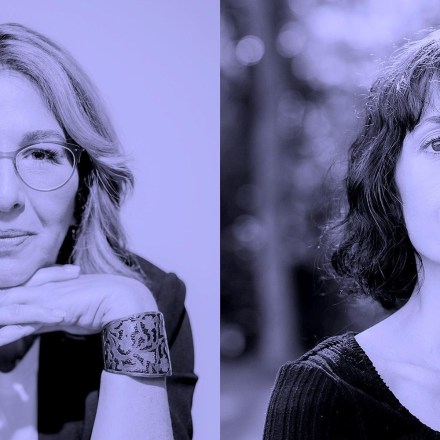
历史告诉我们,策略必须不断改变。1963年华盛顿时期行之有效的大多数方法,到了1982年已不再适用于组织者,到2003年则早已过时。这完全正常——毕竟,我们现在也不再使用油印机或传真机了。也许街头不会出现数百万人抗议对伊朗发动战争,但这并不意味着人们没有进行抵抗,只是抵抗的形式有所不同。而且,这种抵抗正以不同的方式、以更沉重的代价落在那些因抵抗而被逮捕的人身上。
The past teaches us that the tactics must keep changing. Most of what worked in 1963 in Washington wasn’t applicable to organizers in 1982 and was outdated by 2003. And that is OK; we don’t still use mimeographs or fax machines, either. There might not be millions of people in the street to oppose the war on Iran but that doesn’t mean people are not resisting. It just looks different. It is also landing differently, and more heavily, on the people arrested for resistance.
那些抗议并遭到逮捕的人,正面临严重的指控、充满敌意的法庭环境,以及一个沉迷于自身反恐和反“反法西斯”言论煽动的美司法部。
Those who protest and are arrested are looking at serious charges, hostile court environments, and a Justice Department high on its own supply of anti-terrorist, anti-antifa fearmongering.
人们正在挣扎,也感到恐惧,我无法因此责怪他们。异见再次被贴上“恐怖主义”的标签。批评被贴上恐怖主义的标签。提问也被贴上恐怖主义的标签。任何不符合整齐划一、笑脸迎合的顺从行为,都被视为恐怖主义。
People are struggling and afraid, and I can’t blame them for that. Dissent is once again being labeled as terrorism. Critique is labeled as terrorism. Questions are labeled as terrorism. Anything that is not lockstep, grinning compliance is terrorism.
尽管如此,人们仍在行动。只是方式与他们的父母或祖父母不同,也不是那种能登上头版新闻的方式,更不是那种能穿透企业媒体喧嚣噪音的方式。以下是《哈珀索引》2026年6月的一条记录:“特朗普首个任期内美国发生抗议活动的估计数量:10,873次。其第二个任期的第一年:39,154次。”这些抗议活动,正是你我以及我们所爱的每一个人发起的。我们需要继续这样做——以智慧、希望、包容和正义的愤怒。
Still, people are stepping up. Not the way their parents or grandparents did. Not in a way that gets front-page news. Not in a way that penetrates the white noise of the corporate media. Here is a Harper’s Index entry from June 2026: “Estimated number of protests that took place in the United States in the first year of Trump’s first term: 10,873. In the first year of his second term: 39,154.”That is you and me and everyone we love. We need to keep doing it, smart, hopeful, inviting, and full of righteous rage.
我必须承认,我仍在努力思考如何公开且明确地表达我对美以对伊朗战争的反对。我曾在杂草丛生的前院挂起过“不要对伊朗开战”的标语,但几周后就不见了。我也和朋友讨论过在市中心或附近武器巨头通用动力公司的工厂旁定期举行和平静坐活动。但我面临一个时间上的难题:最能引人注目的时间是下午两三点,正好是孩子们放学回家、大多数人还在上班的时候;而更多人方便聚集的时间是晚上六点,但那时市中心已经成了鬼城,蚊子也特别凶猛。那么,我们是该讲究策略,还是该追求包容?这场争论仍在继续。
I’ll admit that I am still struggling with how to make my opposition to the U.S.–Israeli war on Iran evident and public. I had a “No War on Iran” my weedy front yard. It lasted a few weeks before it disappeared. I have talked to friends about a regular peace vigil downtown or at the nearby plant of weapons-making giant General Dynamics. But I have a time conundrum. The best time to be most visible is 2 or 3 p.m., right when my kids are coming home from school and most people are still at work. The most convenient time for more people to gather is 6 p.m., but by then our downtown is a ghost town and the mosquitos are fierce. So should we be strategic or inclusive? The debate continues.
与此同时,我昨天刚在院子里挂起新的标语。我写下的内容是:美国对伊朗的战争杀害平民、浪费金钱、破坏环境。让我们停止它!
In the meantime, I just put up a new my yard yesterday. I painted the message: The U.S. War on Iran Kills Civilians, Wastes Money, Destroys the Environment. Let’s Stop It!