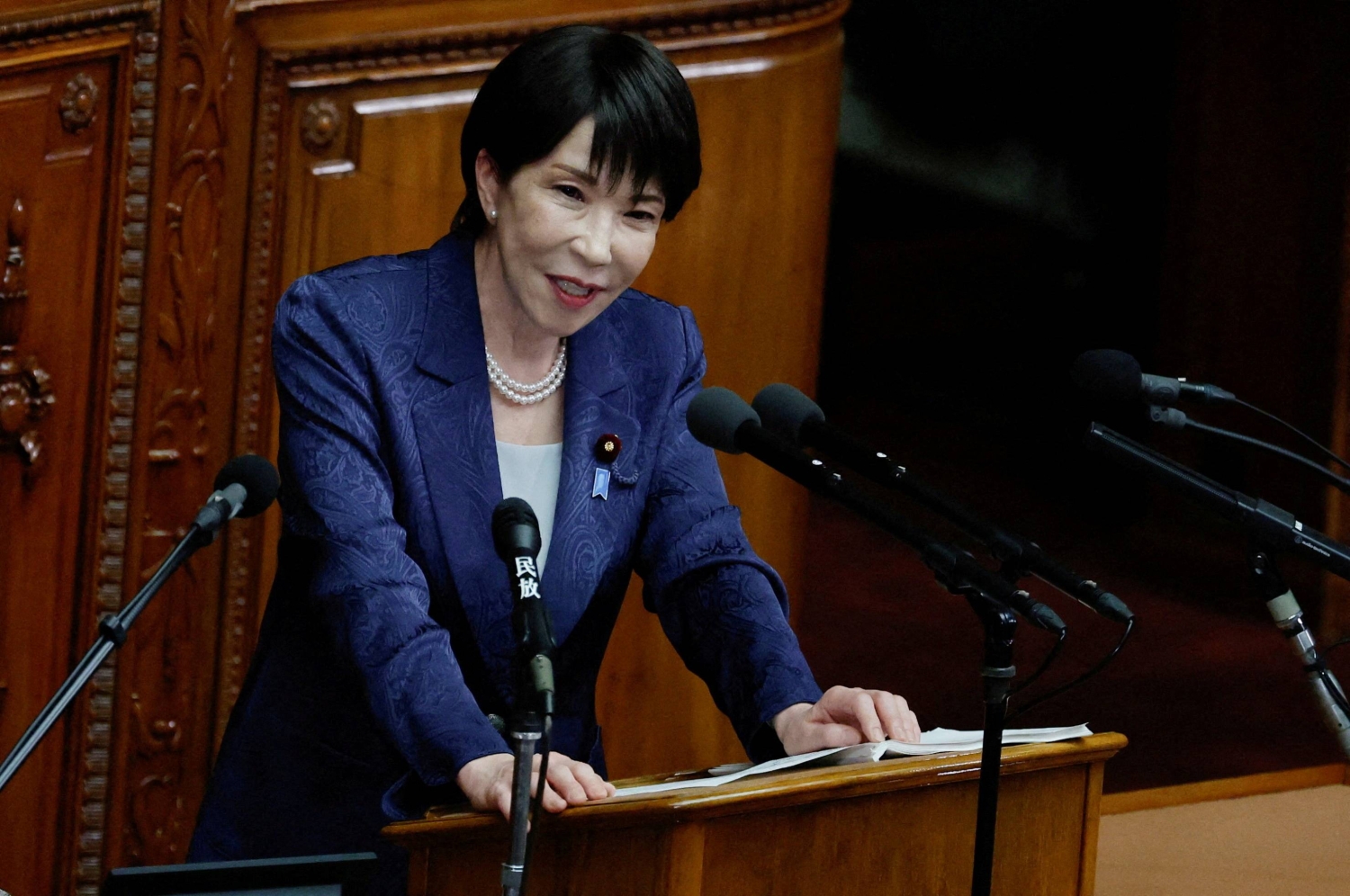
首相高市早苗周五表示,计划中的食品消费税减税预计将使每位公民的家庭经济负担减少约3.6万日元。高市在参议院全体会议上表示:“减税将基本反映在价格上。”
Prime Minister Sanae Takaichi said Friday that the planned consumption tax cut for food is expected to reduce household financial burdens by about ¥36,000 per citizen. “The tax rate cut will basically be reflected in prices,” Takaichi said at a plenary meeting of the Senate, the upper chamber of parliament.
她解释说,3.6万日元的数字是通过将中央和地方政府因减税而损失的总税收除以全国人口计算得出的。
She explained that the ¥36,000 figure was calculated by dividing the total tax revenue loss to the central and local governments from the tax cut by the country’s population.
在参议院会议期间,国民民主党的舟山康江询问首相,其政府将如何弥补地方政府的税收损失。
During the Upper House meeting, Yasue Funayama of the Democratic Party for the People asked the prime minister how her administration will make up for local government revenue losses.
高市承诺将用国家资金全额弥补这些税收损失,并表示:“我们将妥善确保必要的地方税补助。”首相还表示,政府正在考虑采取措施支持农业和渔业企业,以及可能受减税影响的食品公司和餐馆。她说:“有必要评估实地情况,并根据对各行业的影响做出应对。”
Takaichi vowed to fully cover these revenue losses with state funds, saying, “We’ll properly secure necessary local tax grants.”The prime minister also said the government is considering measures to support agricultural and fishery businesses, as well as food companies and restaurants whose operations could be affected by the tax cut. “It is necessary to assess circumstances on the ground and respond according to the impact on each sector,” she said.
与此同时,公明党干事长西田实仁呼吁政府明确谁有资格获得将与消费税减税同时推出的工人经济援助计划。
Meanwhile, Komeito Secretary-General Makoto Nishida called on the government to clarify who would be eligible for a financial aid program for workers that will be introduced alongside the consumption tax cut.
高市表示,政府将根据跨党派社会保障国民会议的讨论结果,在议会审议期间对此事进行说明。
Takaichi indicated that the government will explain the matter during parliamentary deliberations, based on discussions by the suprapartisan National Council on Social Security.
参政党党首神谷宗币主张,消费税减免应全面适用,而不仅仅限于食品。
Sanseito leader Sohei Kamiya argued that the consumption tax reduction should apply across the board, not only to food.
高市反驳称,此举可能会影响养老金、医疗、护理以及应对少子化措施等公共服务。
Takaichi countered that such a move could affect public services, including pensions, medical care, nursing care and measures to address the declining birthrate.