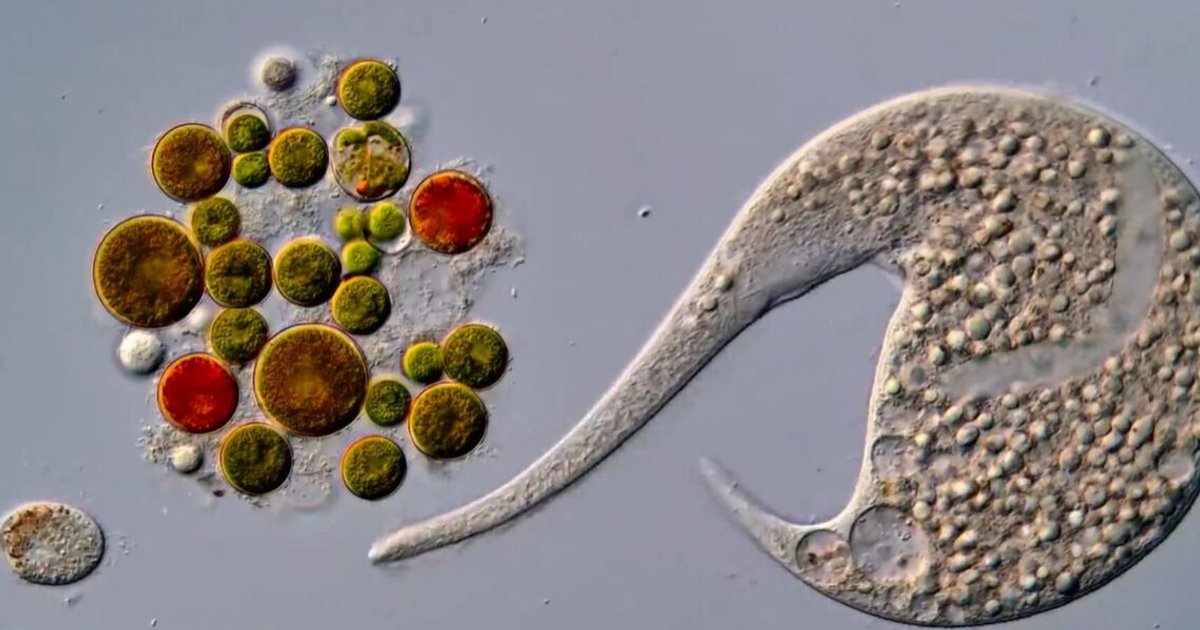
10月9日,尼康宣布撤销其年度“微观世界动态摄影大赛”的一等奖奖项。经核查,获奖显微摄影视频违反了比赛关于禁止使用生成式人工智能的规定。
Stella Raine Chu Nikon rescinded the Small World in Motion first prize on Oct 9 after finding the winning microscopy video broke its rule banning generative AI.
这项自1975年起举办的赛事随即更新了获奖名单,将位于越南的微生物学家阮南日列为新任冠军。
The contest, which has run since 1975, updated its rankings and named Vietnam-based microbiologist Nguyen Nam Nhat as the new winner.
该获奖视频由新加坡光学工程师许宁制作。视频发布后,网络上便出现诸多质疑之声,有人认为其中存在使用人工智能生成的痕迹,甚至部分细节也显得不合常理。这一情况引发了公众对科学影像创作中信息披露透明度的广泛讨论。
The video by Ning Xu, a Singapore optical engineer, faced online doubts over AI use and impossible details, raising calls for clearer disclosure in scientific imaging. AI generated After weeks of controversy, Nikon announced on Oct 9 that it had rescinded the first-place award it gave in its annual Small World in Motion contest after determining the winning video broke its rule against generative artificial intelligence use in submissions.
经过数周的争议,尼康最终确认该视频违规使用了生成式人工智能技术,因此决定撤销其一等奖资格。“微观世界动态摄影大赛”是一项每年举办的显微摄影视频竞赛,旨在表彰通过显微镜拍摄的最佳影像作品。该赛事始于1975年,最初仅接受照片投稿;2011年起才增设视频类比赛项目。
The Nikon Small World in Motion is an annual video contest that awards the best footage captured through the lens of a microscope. The competition began in 1975, originally accepting only photo submissions, and a separate contest was created for videos in 2011.
尼康在官网发布的声明中写道:“经过对视频及相关材料的全面重新评估,并征询评审团成员的意见后,我们确认该获奖视频不符合比赛关于禁止使用生成式人工智能的相关规定。”
“After thoroughly re-evaluating the video and supporting materials and consulting with members of our judging panel, Nikon has determined that the winning video did not comply with the competition rules regarding generative AI,” the company wrote in a statement posted on its website.
此前,包括《纽约时报》在内的多家媒体均在9月16日发布的赛事报道中介绍了包括该视频在内的获奖作品。比赛规则明确规定:“禁止使用人工智能生成的视频,主办方有权要求参赛者提供原始视频以供核验。”
The New York Times was one of many media organisations that featured the winning video, among others, in its coverage of the competition’s results, which were announced Sept 16. The competition’s rules and guidelines explicitly state that “AI generated videos are not permitted and Sponsor holds the right to request the original video for verification”.
“这一决定完全基于所提交视频是否符合本次比赛的规则要求,”尼康在声明中说道,“不应被理解为对参赛者专业声誉、科学贡献或主观意图的评判。”目前尼康官网上的比赛排名已更新,来自越南的微生物学家阮南日成为新的第一名。
“This decision is based solely on the submitted video’s eligibility under the rules outlined for this competition,” Nikon’s statement said. “It should not be interpreted as a judgment of the entrant’s professional reputation, scientific contributions, or intent.”The competition rankings have been updated on the Nikon website, making Nguyen Nam Nhat, a microbiologist based in Vietnam, the new first-place winner.
原获奖者许宁是新加坡国立大学的光学工程师,他提交的视频据称展示了患有原发性纤毛运动障碍的儿童的纤毛情况。原发性纤毛运动障碍是一种呼吸系统疾病。纤毛是微小的毛发状结构,负责将肺部、鼻腔及咽喉等呼吸道中的黏液清除。许宁尚未对置评请求作出回应。
The original winner, Ning Xu, an optical engineer at the National University of Singapore, submitted a video that purported to show the cilia of a child with primary ciliary dyskinesia, a respiratory disorder. Cilia are microscopic, hairlike structures that sweep mucus out of airways like the lungs, nostrils and throat. Xu did not immediately respond to a request for comment.
在奖项被撤销前,尼康在发给《纽约时报》的邮件中称,许宁此前声称自己使用人工智能技术的行为符合比赛规定——即仅可“对显微镜采集的原始数据进行优化处理,而不可完全依靠人工智能生成图像”。
Xu previously claimed that his use of AI fell within the regulations of the contest, which allow for “enhancement of microscopy-generated source data, not for image generation from scratch,” Nikon wrote in an email to the Times before the prize was rescinded.
最初,一位网友在社交平台Bluesky上质疑该视频的真实性,随后围绕该视频的争议便开始在网络上发酵。
Doubts and concerns surrounding the video started simmering on social media platform Bluesky after one poster questioned if the video was real.
该帖文写道:“我看到的到底是什么?@尼康?”众多回复中,不少来自生物学领域的专业人士,他们均对视频是否含有人工智能生成的成分表示怀疑,甚至认为整段视频都是人工智能合成的。
“What in the world am I looking at here? @Nikon?” the post read. Dozens of replies, many of them from biologists themselves, expressed doubt that the video did not contain AI-generated components, if not completely fabricated by AI.
评论者们还指出,视频中所呈现的显微镜成像效果在物理层面缺乏合理性,纤毛的大小比例也存在明显矛盾。
Commenters shared concerns that the microscopy shown was not physically plausible, pointing out inconsistencies with the sizing of the cilia.
在许宁的参赛作品被判定违规前的几周里,反对该视频的声音愈发强烈。在尼康发布获奖名单的领英帖文下,出现了超过100条评论,多数内容都在质疑视频的真实性,并要求尼康给出合理解释。
In the weeks leading up to the disqualification, an increasingly vociferous campaign arose against Xu’s video. More than 100 comments accumulated under a LinkedIn post from Nikon announcing the winner, many of them questioning the authenticity of the video and demanding explanations from Nikon.
科学家指出,细胞中的细胞核、线粒体等细胞器会随机出现或消失,这一现象或许是人工智能被使用的明显迹象。
Scientists pointed out that organelles like the nuclei and mitochondria of the cell disappeared and reappeared randomly, which could be a telltale sign of AI use.
加州大学洛杉矶分校的计算成像与显微镜技术专家艾多甘·奥兹坎表示,在科学成像领域使用人工智能并非新鲜事。“它能帮助包括我所在实验室在内的众多科学家提升显微图像的分辨率与对比度,”他说,“但规则很简单:必须如实披露使用了人工智能。”不过,当人工智能生成现实中并不存在的结构时,也会引发问题。
AI use in scientific imaging is not new, said Aydogan Ozcan, an expert in computational imaging and microscopy at UCLA. “It helps scientists, including in my own lab, to improve the resolution and contrast of microscopic images,” he said. “But the rule is very simple: You need to disclose it.”Problems can also arise when AI hallucinates structures that are not actually there.
尽管这场争议令部分人感到不安,但奥兹坎认为,这对科学家与公众而言都是一个契机,有助于确立科学成像领域人工智能使用的伦理规范。
While the controversy is upsetting to some, Ozcan says that this could be an opportunity for scientists and the public alike to standardise ethical AI use in scientific imaging.
“我认为这是促使人们齐聚一堂、开诚布公地探讨相关问题的绝佳契机,”他说,“这也是一次极好的教育机会。”本文最初发表于《纽约时报》。
“I consider this a wonderful way to bring people together and discuss this openly,” he said. “It’s great education.”NYTIMES This article originally appeared in The New York Times.