在一场享有盛誉的科学摄影比赛中,一位获奖者因其他科学家质疑其作品为伪造而被取消资格。
The winner of a prestigious scientific photography competition has been disqualified following concerns raised by other scientists that it was fake.
尼康公司表示,该视频在制作过程中使用了生成式人工智能,违反了其“微观世界动态”竞赛的规则。该竞赛接受使用高倍显微镜拍摄的照片和视频。
Nikon said the use of generative AI in the composition of the video broke the rules of its Small World In Motion contest, which accepts photos and video taken using powerful microscopes.
该公司称,该视频“不符合竞赛中关于生成式人工智能的规定”,但补充说,这一决定并非对参赛者专业声誉或科学贡献的否定。
The firm said the video "did not comply with the competition rules regarding generative AI", but added it was not a judgement of the entrant's professional reputation or scientific contributions.
尼康表示,现在将重新审视这项年度竞赛的规则和流程。该竞赛已举办15年,专门面向显微图像。
It said it would now look at the rules and procedures of the annual contest, which has been running for 15 years and is specifically for microscopic images.
尼康称,这一决定是在“对视频及辅助材料进行全面重新评估,并与评审团成员进行商议”后作出的。
Nikon said it came to the decision "after thoroughly re-evaluating the video and supporting materials and consulting with members of our judging panel".
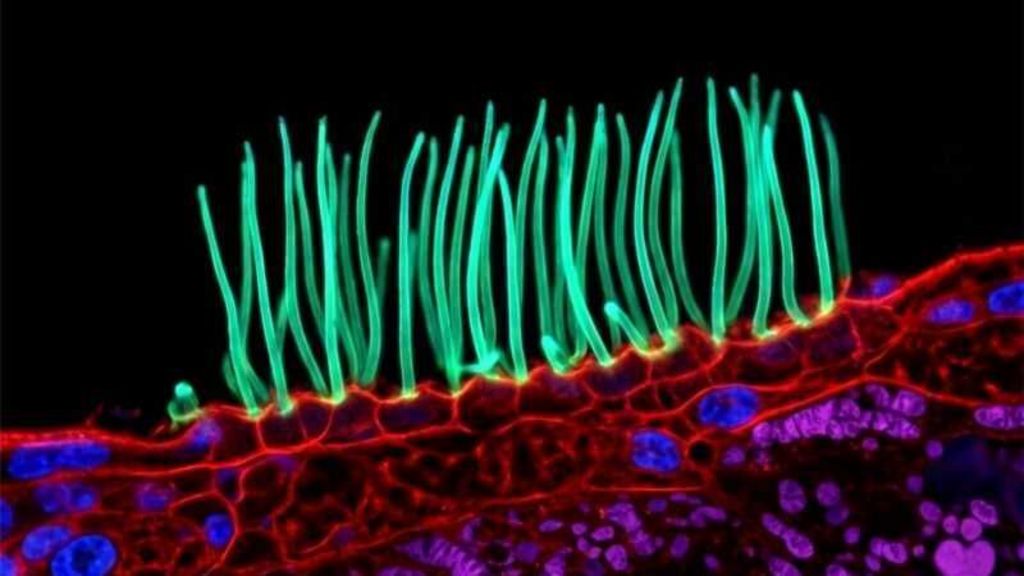
获奖作品来自中国清华大学的徐宁博士。他提交了一段短视频,展示了名为纤毛的微小毛发状结构在患有原发性纤毛运动障碍(PCD)的儿童呼吸道中运动。BBC已联系他寻求评论。
The winning entry came from Dr Ning Xu, from Tsinghua University in China, who submitted a short video showing tiny, hair-like structures called cilia moving in the airway of a child with the respiratory condition PCD. The BBC has approached him for comment.
包括多位前竞赛评委在内的科学家,曾在尼康的领英页面上投诉称,该视频看起来并不真实。
A number of scientists, including former competition judges, complained to Nikon on its LinkedIn page that the video did not appear to be real.
徐宁承认使用了人工智能,但他表示相信自己是在规则范围内操作的,并已配合尼康的调查。
Xu had acknowledged using AI, but said he believed he had acted within the rules, and had cooperated with Nikon's investigation.
莱斯特大学的罗伯特·赫斯特博士是首批提出质疑的专家之一。他表示自己“并不感到意外”,并且“立刻意识到这段视频是伪造的”。
University of Leicester scientist Dr Robert Hirst, who was among the first experts to voice concerns, said he was "not surprised" and he "knew immediately that the video was fabricated".
他说:“我诊断PCD已有20年,主要通过检查患者的纤毛波形、长度、细胞大小和形状。”
"I have been diagnosing PCD for 20 years by examining their cilia waveform, length, cell size and shape," he said.
赫斯特是该校NHS PCD诊断中心的首席科学家。他表示,视频中的细胞和纤毛“与PCD患者的完全不像”。
Hirst, who is lead scientist for the NHS centre for PCD diagnosis at the university, said the cells and cilia "look nothing like those from PCD patients".

他说:“这场争议已经影响了全球众多患者、科学家、医生以及PCD支持网络。”紧跟全球顶尖科技新闻与趋势。
"This controversy has impacted a lot of patients, scientists, doctors and PCD support networks around the world," he said.