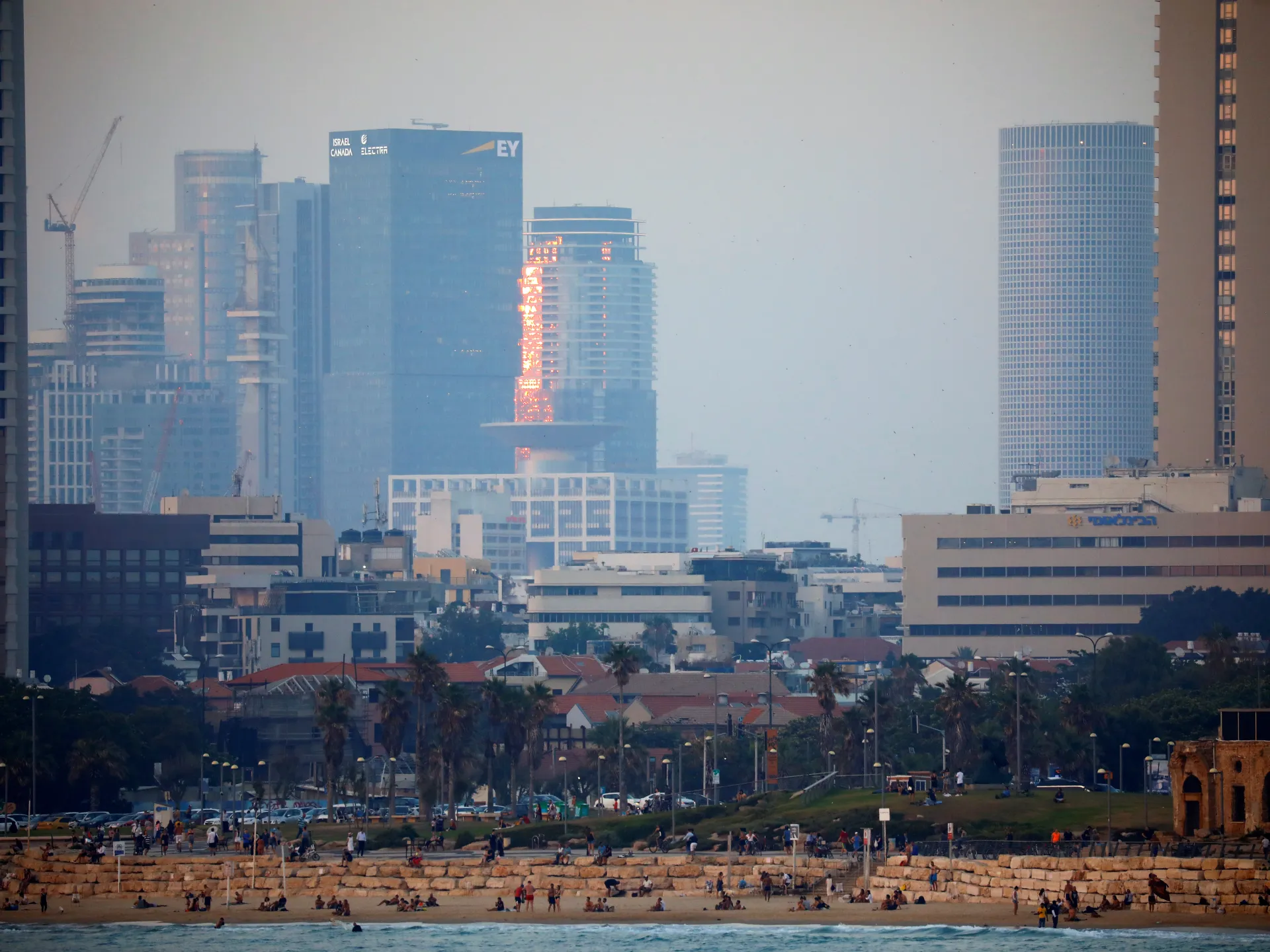
三年来,以色列在中东地区进行多线作战,若本月的议会选举正值经济陷入困境之际,那也不会令人意外。然而,以色列的经济——按许多指标衡量——正在蓬勃发展。
After three years of Israel’s multi-front war in the Middle East, it would be no surprise if this month’s Knesset elections were taking place against the backdrop of an economy in dire straits. Instead, Israel’s economy is – by many measures – flourishing.
在哈马斯领导的2023年10月7日袭击以及以色列对加沙的种族灭绝战争的初期冲击后,以色列经济曾急剧放缓,但如今已反弹,成为近年来增长最快的先进经济体之一。
After slowing sharply in the initial aftermath of the Hamas-led October 7, 2023 attacks and Israel’s genocidal war on Gaza, Israel has rebounded to become one of the fastest-growing advanced economies in recent years.
根据政府数据,2025年国内生产总值(GDP)增长2.9%,较2024年1%的增长有所回升;今年上半年增长达3.2%。
Gross domestic product (GDP) grew 2.9 percent in 2025, picking up from a 1 percent expansion in 2024, and 3.2 percent in the first half of this year, according to government figures.
以色列银行预测,2026年全年增长将达4%,2027年将达5.5%——这一增速远超美国、英国、法国、加拿大和日本等主要经济体的预期。
The Bank of Israel has forecast 4 percent growth for the whole of 2026 and 5.5 percent growth in 2027 – projections that far exceed the outlooks for major economies such as the United States, United Kingdom, France, Canada, and Japan.
过去三年,新谢克尔对美元汇率持续走强,5月份触及三十年来最高点;以色列股市亦大幅上涨,基准TA-125指数涨幅超过110%。与此同时,失业率仅为2.8%,通胀温和,为1.5%。
Over the past three years, the shekel has strengthened against the US dollar, hitting a three-decade high in May, and Israel’s stock market has surged, with the benchmark TA-125 up more than 110 percent. Meanwhile, unemployment stands at 2.8 percent, while inflation is modest at 1.5 percent.
在这相对乐观的经济形势下,10月27日大选的竞选焦点主要集中在国家安全问题上。右翼利库德党领袖、总理本雅明·内塔尼亚胡,以及中间派“正直”党(Yashar)领袖、退役将军加迪·艾森科特,均宣称自己最有能力保障以色列人的安全。
Against this relatively rosy economic backdrop, campaigning for the October 27 election has been dominated by national security, with Prime Minister Benjamin Netanyahu, leader of the right-wing Likud party, and retired general Gadi Eisenkot, head of the centrist Yashar, each claiming to be most qualified to keep Israelis safe.
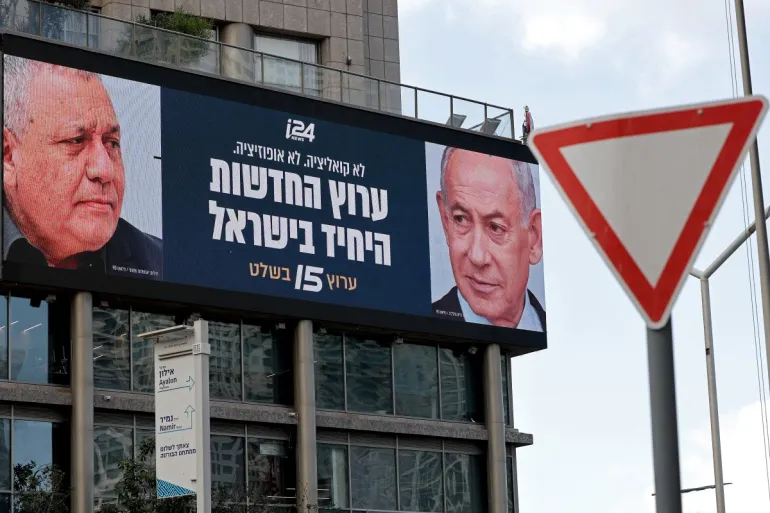
2026年9月23日,以色列拉马特甘举行选举[Jack Guez/AFP]。推动以色列经济韧性的关键因素是蓬勃发展的科技产业——该产业在加沙、黎巴嫩、叙利亚、伊拉克、伊朗和也门的冲突中基本未受影响。
An election is seen in Ramat Gan, Israel on September 23, 2026 [Jack Guez/AFP] Driving Israel’s striking economic resilience has been a booming tech sector largely insulated from its conflicts spanning Gaza, Lebanon, Syria, Iraq, Iran and Yemen.
尽管自2023年10月起,以色列一直处于战争状态,但其科技行业——占经济活动约五分之一——仍吸引了创纪录的投资,这得益于全球人工智能(AI)的快速推广。
Despite being on a war footing since October 2023, Israel has attracted record levels of investment in tech, the driver of about one-fifth of economic activity, amid the frenetic global rollout of artificial intelligence (AI).
去年,以色列吸引的外国直接投资总额达到了创纪录的262亿美元,比2024年增长了78%。其中,美国科技巨头Alphabet和Palo Alto Networks分别以创纪录的价格收购了以色列网络安全公司Wiz和CyberArk,成为推动这一增长的主要力量。
Total direct foreign investment hit a record $26.2bn last year, up 78 percent from 2024, led by US tech giants Alphabet and Palo Alto Networks’ record-breaking acquisitions of Israeli cybersecurity firms Wiz and CyberArk, respectively.
根据政府数据,今年外资持续涌入以色列,1月至3月期间的季度流入额达到了141亿美元的新高。
Foreign capital has continued to flood into the country this year, with inflows reaching a quarterly record of $14.1bn in the January-March period, according to government figures.
得益于全球人工智能产业的繁荣,以色列的科技产业也受益于其与当地国防行业的紧密合作关系。国防部门向众多初创企业下了大量订单,这些企业提供的产品和服务包括雷达系统、通信平台以及反无人机技术。
Along with prospering from the global AI boom, Israel’s tech scene has benefitted from its close ties to the local defence sector, which has ramped up orders from hundreds of startups supplying everything from radar systems to communications platforms and anti-drone technology.
《经济学人智库》(Economist Intelligence Unit, EIU)中东和非洲事务高级分析师Keren Uziyel表示:“以色列经济的复苏在很大程度上得益于强劲的就业市场和工资增长,但其经济韧性主要源于出口驱动的因素——尤其是以色列及其跨国公司在网络安全和人工智能等领域的全球竞争力。”
While Israel’s economy has bounced back in part due to robust employment and wage growth, its resilience is primarily an “export-driven story that reflects strong global technology demand, particularly in areas where Israel – and multinational firms operating from Israel – is globally competitive, such as cybersecurity and artificial intelligence,” said Keren Uziyel, a senior analyst for the Middle East and Africa at the Economist Intelligence Unit (EIU).
Uziyel在接受半岛电视台(Al Jazeera)采访时指出:“人们对以色列科技产品和服务的需求推动了外国直接投资和风险投资的增加,进而提振了资本市场,这不仅创造了大量财富,也增加了政府的收入。”
“Interest in Israel’s technology goods and services is driving high levels of FDI and venture capital fundraising, and boosting the capital markets, which in turn is having significant wealth effects and boosting government revenue,” Uziyel told Al Jazeera.
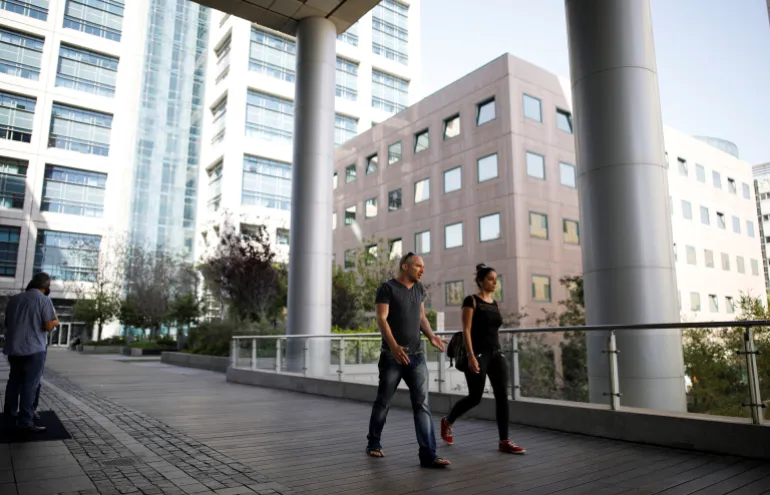
2017年5月15日,人们在以色列特拉维夫的高科技商业区的高层建筑旁行走。[ 。据以色列央行估计,截至当时,以色列的战争开支已达到约3500亿谢克尔(1146亿美元)——这一数字尚未包括最近爆发的与伊朗的战争所导致的额外开支。随着以色列领导人继续强调“国家安全”,未来几年的军事开支预计将进一步大幅增加。
People walk near high-rise buildings in the high-tech business area of Tel Aviv, Israel May 15, 2017 [Amir Cohen/Reuters] But Israel’s military campaigns have come at an enormous cost to the public purse. In March, the Bank of Israel estimated that Israel’s war costs to date had reached approximately 350 billion shekels ($114.6bn) – a figure not including the then recently-launched Iran war. Military expenditures are on track to rise substantially in the coming years as Israeli leaders double down on “national security”.
内塔尼亚胡领导的右翼联盟将国家安全视为“一切的基础”,因此他力推将年度国防预算提高至1830亿谢克尔(约合600亿美元),这一数额约占以色列国内生产总值的9%。
Netanyahu, whose right-wing coalition has cast security as “the foundation of everything else”, has pushed to raise the annual defence budget to 183 billion shekels ($60bn), equivalent to roughly 9 percent of GDP.
若该预算案获得通过,以色列的军事开支将比10月7日之前的水平增长2.5倍。
If passed, the budget would raise military spending by two and a half times what it was before October 7.
即将卸任的反对党领袖亚伊尔·拉皮德虽支持增加国防预算,但在资金筹措方式上与内塔尼亚胡存在分歧。
Outgoing opposition leader Yair Lapid has backed an expanded defence budget, but has clashed with Netanyahu about how to fund it.
尽管安全议题在选举前夕占据主导地位,但民意调查显示,经济问题同样是以色列民众关注的焦点。
Economic concerns Though security has dominated the run-up to the election, opinion polling suggests that Israelis also view the economy as a key concern.
以色列民主研究所上月发布的民调显示,38%的犹太裔以色列人以及46%的巴勒斯坦裔以色列人——后者约占全国人口的20%——将经济与生活成本视为最重要或次重要的选举议题。
In an opinion poll released by the Israel Democracy Institute last month, 38 percent of Jewish Israelis and 46 percent of Palestinian citizens of Israel – who make up about 20 percent of the population – chose the economy and the cost of living as the most important or second-most important election issue.
长期以来,高昂的生活成本一直是引发民众不满的主要原因。多年来,以色列始终位列经合组织(OECD)成员国中生活成本最高的国家之列,经济学家认为这一状况源于以色列与周边国家贸易联系有限以及繁琐的法规限制。
Israel’s high cost of living, in particular, has long been a source of public discontent. Israel has for years ranked among the most expensive countries in the Organisation for Economic Co-operation and Development (OECD), a dynamic economists attribute to the country’s limited trade relations with its neighbours and cumbersome regulations.
据消费者权益组织Lobby 99统计,虽然以色列整体通胀率较为温和,但食品价格涨幅显著:2024年初至2026年中期间,食品价格累计上涨了8%。
Though Israel’s overall rate of inflation has been modest, food prices have risen at a faster pace, increasing 8 percent between the start of 2024 and mid-2026, according to consumer advocacy group Lobby 99.
特拉维夫“Shoresh社会经济研究所”副所长阿亚尔·金希对半岛电视台表示:“民众确实担忧经济状况,但这种担忧更多源于个人层面的生活成本压力,而非宏观经济形势本身。”
“People are worried about the economy but not so much about the macroeconomic situation, more so on their personal perspectives, especially cost of living,” Ayal Kimhi, vice president of the Shoresh Institution for Socioeconomic Research in Tel Aviv, told Al Jazeera.
“不过出于显而易见的原因,安全议题目前主导着公共舆论,因此我认为经济因素不会对选举结果产生决定性影响,”金希补充道,“甚至有些政党根本懒得提出任何施政纲领或政策主张。”
“However, the security situation dominates the public discourse for obvious reasons, so I do not think the economy will play a major role in the vote,” Kimhi said. “Some parties do not even bother presenting a vision or an agenda,” he added.
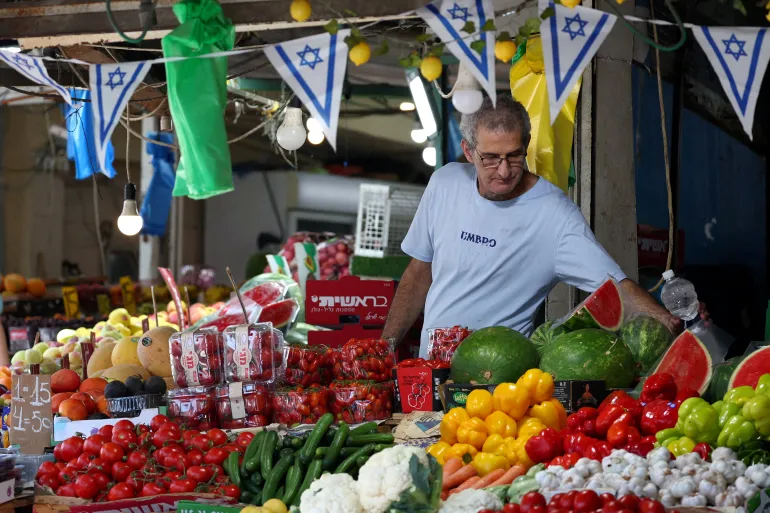
“其他党派在经济问题上的分歧并不大。”一名以色列男子在2025年6月24日于以色列海法的店铺前忙碌[Florion Goga/路透社]虽然以色列的主要经济数据令人印象深刻,但这些数据也伴随着一些限制条件。
“Other parties do not differ much about economic issues.”An Israeli man tends to his shop in Haifa, Israel, on June 24, 2025 [Florion Goga/Reuters] While Israel’s headline economic figures are impressive, they come with caveats attached.
经济学家指出,虽然以色列的经济增长速度远高于其同行,但其国内生产总值的增长部分得益于该国通常较高的人口增长,过去十年人口增长率平均接近2%。
Economists note that while Israel’s economy has grown much faster than its peers, GDP has been boosted in part by the country’s usually high population growth, which has averaged nearly 2 percent over the past decade.
尽管经济在扩张,以色列的增长轨迹也受到了冲击。以色列央行估计,到2025年底的累计产出损失相当于年国内生产总值的8.6%。
Israel’s growth trajectory has also taken a hit despite the expansion, with the Bank of Israel estimating an accumulated loss of output through the end of 2025 equivalent to 8.6 percent of annual GDP.
希伯来大学耶路撒冷分校经济学教授约瑟夫·泽伊拉表示,考虑到自2023年底以来,以色列的增长一直落后于冲突前的趋势,该国的经济表现“根本就不好”。
Joseph Zeira, a professor of economics at the Hebrew University of Jerusalem, said the country’s economic performance has “not been great at all” considering that growth has consistently lagged the pre-conflict trend since late 2023.
泽伊拉在接受半岛电视台采访时说:“实际生活水平取决于所在地区。”他补充道,以色列人正面临“更高的价格,或者说实际工资和收入的下降”,以及公共服务的恶化。
“Actual living standards depend on the area,” Zeira told Al Jazeera, adding that Israelis are grappling with “higher prices, or rather lower real wages and incomes”, and deteriorating public services.
“唯一的改善是近年来由于大规模建设浪潮导致房价出现一定程度的下降,”他说。
“The only improvement is some decline in housing prices due to a vast wave of construction in recent years,” he said.
政府债务 以色列公共财政的长期健康状况是另一个令人担忧的问题。
Government debt The long-term health of Israel’s public finances is another concern.
尽管以色列的政府债务占GDP的比率约为68%,远低于美国、英国、法国和意大利等同行,但过去三年政府收入与支出之间的差距急剧扩大。
While Israel’s debt-to-GDP ratio of about 68 is far below that of peers such as the US, the UK, France, and Italy, the gap between government revenue and spending has grown rapidly over the past three years.
在其最新年度报告中,以色列央行表示,政府“必须”恢复有序的预算流程,并实施“可信的措施”来降低公共债务。
In its latest annual report, the Bank of Israel said it was “essential” for the government to “restore orderly budgetary processes” and implement “credible measures” to reduce the public debt.
其他长期挑战包括提高正统派犹太男性的劳动参与率——他们拒绝服兵役已成为选举中的一个主要议题——以及阿拉伯女性(以色列巴勒斯坦公民),她们的就业率远低于一般人口。
Other long-term challenges include boosting labour participation among ultra-Orthodox Jewish men – whose refusal to do military service has become a major election issue – and Arab women (among Palestinian citizens of Israel), both of whom are employed at much lower rates than the general population.
“军事行动和动员的成本严重紧张了公共财政,”华威大学和雷赫曼大学经济学教授奥默·莫阿夫对半岛电视台表示。
“The cost of the military campaigns and mobilisation has severely strained public finances,” Omer Moav, a professor of economics at the University of Warwick and at Reichman University, told Al Jazeera.
“赤字和国家债务显著扩大,如果没有财政紧缩,当前的支出轨迹将不可持续,”莫阿夫说。
“Deficits and national debt have expanded significantly, making current spending trajectories unsustainable without fiscal consolidation,” Moav said.
“下届政府将面临巨大挑战。”无论谁赢得选举,经济学家表示,以色列的经济前景在很大程度上将取决于地区冲突是升级还是缓解。
“The next government is facing a huge challenge.”Regardless of who prevails in the election, economists say, Israel’s economic prospects will in large part hinge on whether conflict in the region escalates or subsides.
“我们预计2026年的增长率将达到约4%,并在2027年超过这一水平,”EIU分析师乌齐耶尔表示。
“We expect growth to reach around 4 percent in 2026 and to exceed this level in 2027,” said Uziyel, the EIU analyst.
“然而,如果加沙、伊朗或黎巴嫩前线的冲突重新爆发,增长仍面临显著的下行风险。” “前景在很大程度上取决于安全局势,”肖雷什社会经济研究院的金希表示。“如果我们能够结束战争并减少军事开支,未来将会光明。”
“However, significant downside risks to growth remain should conflicts in Gaza, Iran, or on the Lebanon front resume.”“The outlook depends greatly on the security situation,” said Kimhi of the Shoresh Institution for Socioeconomic Research. “If we are able to put an end to the war and reduce military spending, the future could be bright.”