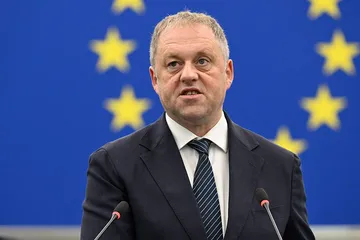
苏珊·林奇 欧盟领导人将在下周于布鲁塞尔会晤时讨论一项缩减版预算,此前谈判代表因部分成员国的压力而削减了最初的提案。
Union leaders will discuss a scaled back budget when they meet in Brussels next week after negotiators slashed the initial proposal in response to pressure from some member states.
爱尔兰作为欧盟轮值主席国,周六提出了关于欧盟未来七年预算的妥协方案,较去年欧盟委员会(欧盟的执行机构)提出的2万亿欧元方案削减了约1600亿欧元(1790亿美元)。
Ireland, which holds the bloc’s rotating presidency, presented a compromise plan on the EU’s next seven-year budget on Saturday, shaving about €160 billion ($179 billion) from the €2 trillion figure proposed last year by the European Commission, the EU’s executive arm.
爱尔兰欧洲事务部长托马斯·伯恩在周六布鲁塞尔新闻发布会前表示:“这一提案是爱尔兰主席国在过去三个月里与成员国和欧盟机构进行密集磋商的成果。”
The proposal “is the product of intensive exchanges undertaken by the Irish presidency with member states and EU institutions over the last three months,” Ireland’s Europe Minister Thomas Byrne said ahead of a press conference in Brussels on Saturday.
该妥协方案是在多个月来关于多年度财政框架(MFF)即七年预算的幕后谈判之后提出的。欧盟理事会主席安东尼奥·科斯塔——他主持欧盟领导人会议——正推动在12月前达成协议。
The compromise package follows months of behind-the-scenes negotiations on the budget, known as the multi-annual financial framework (MFF). European Council President Antonio Costa, who chairs meetings of EU leaders, is pushing for a deal by December.
欧盟七年预算的规模和范围长期以来一直是争议的焦点,德国、奥地利和荷兰等国家主张缩小规模,而意大利和西班牙等其他成员国则反对削减。
The size and scope of the EU’s seven-year budget has long been a subject of contention, with countries like Germany, Austria and the Netherlands advocating a smaller package while other member states including Italy and Spain opposed to cuts.
多年来,一直有呼声要求欧盟将支出从农业和对较贫困国家的资助等传统领域转移——这些领域历来占欧盟支出的一半以上——转向诸如研究与创新以及国防等新优先事项。
There have been growing calls for years for the EU to direct spending away from areas like agriculture and funding for poorer countries — which have traditionally represented more than half of EU spending — to new priorities such as research and innovation as well as defense.
在爱尔兰的提案下,共同农业政策(CAP)和凝聚力基金——即专门用于较不富裕欧盟成员国的资金——将得到保护。相反,较早提出的2万亿欧元预算的削减将通过对发展资助、行政开支以及欧盟竞争力基金的削减来抵消,相较于最初的提案。
Under Ireland’s proposal, money for the Common Agricultural Policy (CAP) and cohesion funds – those earmarked for less affluent EU members – will be protected. Instead, the reduction from the earlier €2 trillion proposed price tag will be offset by cuts to development funding, administration, and the bloc’s competitiveness fund, relative to the initial proposal.
欧盟预算的主要来源是各成员国的出资,其中所谓的“净贡献国”承担了绝大部分费用。德国一直是反对声音最强烈的国家之一;去年欧盟委员会公布预算草案后不久,德国便称该预算数额“不可接受”。
The bulk of the EU’s budget is financed by contributions from member states, with so-called “net contributors” coughing up most of the money. Germany has been one of the most critical voices, dismissing the commission’s initial price-tag hours after it was presented last year as “unacceptable.”
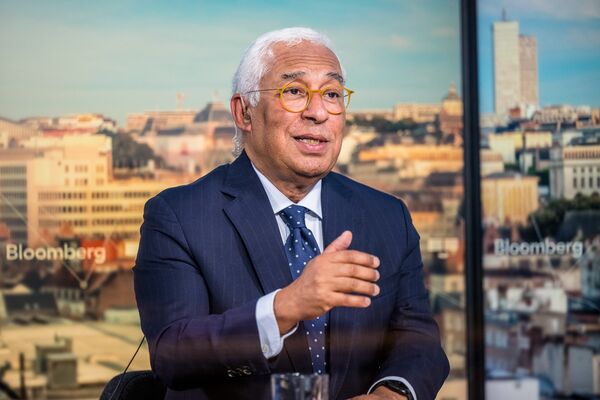
此次拟议的预算削减幅度恐怕仍不足以安抚那些奉行“节俭原则”的成员国。周五晚间,在预算方案正式公布前,荷兰首相罗布·耶滕与科斯塔一同表态称,相较于上一个七年期的预算水平,进一步提高预算数额“在当前各国财政压力本就巨大的背景下根本不可行”。耶滕强调,新预算必须切实反映当前各国所面临的种种问题,如国家安全、经济韧性以及国际竞争力等。他表示:“除非能为民众面临的各类挑战提供切实解决方案,否则我们绝不能让民众承担过高的开支。”
The proposed cut is unlikely to be enough to appease the so-called “frugal” member states. Speaking alongside Costa on Friday evening ahead of the announcement, Dutch Prime Minister Rob Jetten said that a budget increase compared to the previous seven-year budget is “simply not viable at a time when national budgets are already under pressure.”Jetten said the budget must reflects current concerns such as security, economic resilience, and competitiveness. “We cannot just saddle our citizens with high costs unless we offer solutions to today’s challenges,” he said.