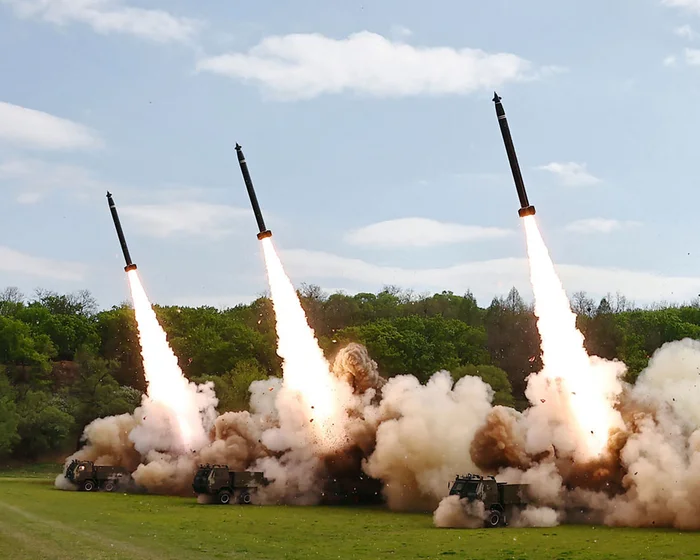
这绝非可嗤之事。先进核武器的加速扩散正日益使“末日”临近。自人类诞生以来,人类就既恐惧又有时欢欣地期待世界的终结。《圣经》启示录谈及“末时”——一个充满艰难困苦、战争、饥荒、瘟疫、洪水和环境灾难的时期,如今看来或许比过去更不荒唐。伊斯兰教也认为存在审判日或算账日。基督教福音派相信,在最终的被提中,少数义人或“选民”将得救,而罪人将被火焚烧。
This is no scoffing matter. The accelerating proliferation of advanced nuclear weapons is bringing ‘end times’ closer by the day Humankind has fearfully and sometimes joyfully anticipated the end of the world ever since it began. The Bible’s Book of Revelation speaks of “end times”, a period of tribulation, war, famine, plague, floods and environmental catastrophe that may seem a less absurd prospect today than perhaps it once did. Islam, too, posits a fateful day of judgment or day of reckoning. Christian evangelicals believe that, in the final rapture, a chosen few – the righteous or the “elect” – will be saved while sinners burn.
这是少数观点。马太福音预言大多数人将违抗、忽视或嘲笑即将来临的世界末日的警告。耶稣的另一门徒彼得也同意:“在末后的日子,必有讥诮的人来,随从自己的私欲,讥诮。”然而,这种世俗的怀疑并不意味着普遍性灾难的可能性降低;反而可能使其更大。
It’s a minority view. Matthew’s gospel predicts most people will defy, ignore or ridicule warnings of imminent Armageddon. Peter, another of Jesus’s disciples, agreed: “In the last days, scoffers will come, scoffing and following their own evil desires.”Yet such worldly scepticism does not mean a universal cataclysm is less likely. It may make it more probable.
特朗普对人工智能所据称带来的危险的全面否认——一些人认为其失控发展是末日的最新预兆——可能被视为应验了彼得的预言。这位美国总统,堪称世界上唯一的人形末日机器,正是嗤之以鼻和纵欲的行家。在罗伯特·哈里斯2019年的小说《第二次沉睡》中,一位忧心的科学家列举了世界可能终结的半打方式:包括毁灭性气候变化、大流行病、小行星撞击地球或其他无法承受的灾难。
Donald Trump’s blanket denials of the dangers ostensibly posed by artificial intelligence, whose uncontrolled development is seen by some as the latest harbinger of apocalypse, could be interpreted as fulfilling Peter’s prophecy. This US president, the nearest thing the world has to a one-man doomsday machine, is a great one for scoffing and evil desires. In Robert Harris’s 2019 novel, The Second Sleep, a worried scientist lists half a dozen ways the world might end. They include devastating climate change, pandemic disease, a giant asteroid collision with Earth, or some other overwhelming calamity.
很少有人关注这位虚构科学家的担忧。事实是,摧毁他和几乎所有人的,是一个令人不安地合乎逻辑的网络崩溃——一次全球性的数字和互联网崩溃。西蒙·蒂斯道尔是《卫报》外交事务评论员
Few heed the fictional scientist’s fears. In the event, what destroys him and almost everybody else is a disturbingly plausible cyber crash – a global digital and internet meltdown. Simon Tisdall is a Guardian foreign affairs commentator