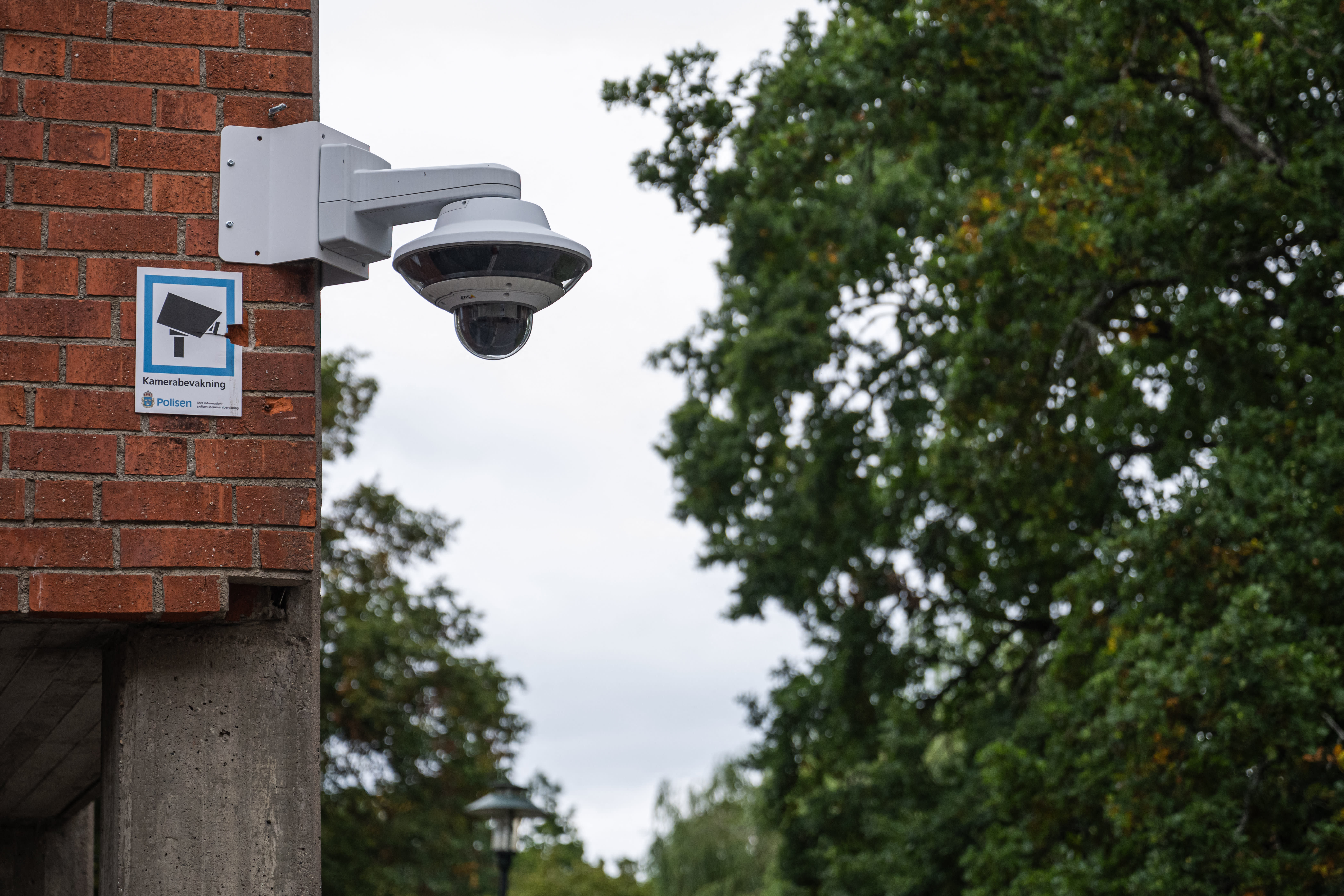
全球联网的安全摄像头和网络摄像头正日益被黑客入侵并转化为军事情报工具,使以色列、伊朗、俄罗斯和乌克兰等国能够监控部队动向、追踪目标并评估攻击情况,《华尔街日报》周日报道称。随着政府和黑客利用原本用于保护住宅、企业和公共空间的设备中的漏洞,这一威胁已在多个冲突中蔓延,包括涉及以色列与伊朗、俄罗斯与乌克兰的冲突。
Internet-connected security cameras and webcams around the world are increasingly being hacked and turned into military intelligence tools, allowing countries including Israel, Iran, Russia, and Ukraine to monitor troop movements, track targets, and assess attacks, The Wall Street Journal reported on Sunday. The growing threat has emerged across multiple conflicts, including those involving Israel and Iran and Russia and Ukraine, as governments and hackers exploit vulnerabilities in devices originally intended to protect homes, businesses, and public spaces.
据报道,全球约有12亿台联网摄像头在运行,构成了一个庞大的潜在情报收集设备网络。许多设备安全防护不足,使其成为网络行动的理想目标。调查中提到的一起事件涉及以色列北部的一位养鸡场主,他在今年早些时候美以对伊朗的军事行动期间,发现俯瞰其鸡舍的摄像头语言设置意外变为阿拉伯语。该农民联系了以色列国家网络局,后者确认该中国制造设备已被黑客入侵。
According to the report, an estimated 1.2 billion internet-connected cameras operate worldwide, creating an enormous network of potential intelligence-gathering devices. Many are inadequately secured, making them attractive targets for cyber operations. One incident highlighted in the investigation involved a poultry farmer in northern Israel who discovered that the language settings on a camera overlooking his chicken coop had unexpectedly changed to Arabic during the US-Israeli military campaign against Iran earlier this year. The farmer contacted the Israel National Cyber Directorate, which determined that hackers had compromised the Chinese-made device.
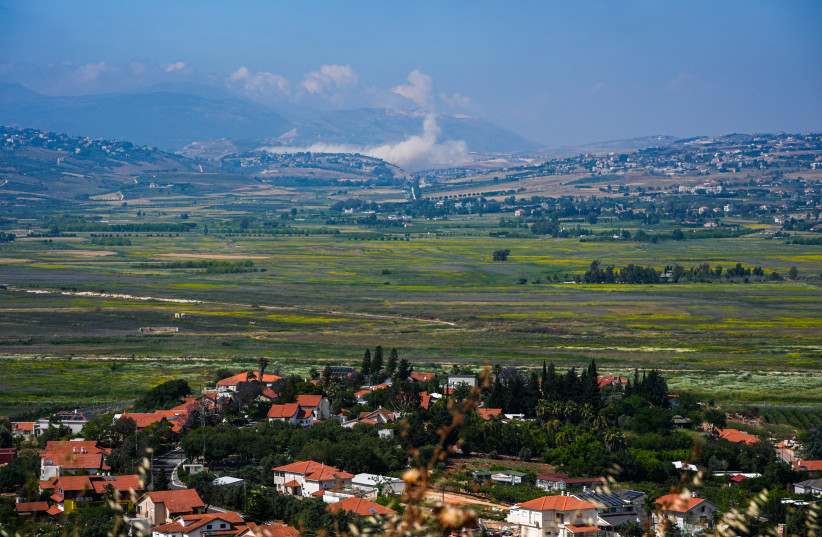
摄像头的位置提供了黎巴嫩边境附近以色列安全活动的视角,使入侵者有可能获取军事情报,而不仅仅是农场的图像。据《华尔街日报》报道,该局随后帮助农民改进了摄像头的安全性并调整了其视角,以防止对军事行动的监控。平民监控成为军事情报此事件凸显了军方和民用网络安全当局面临的日益严峻的挑战:用于日常安全目的的摄像头,一旦被敌对行为者访问,就可能成为情报资产。
The camera's position provided a view of Israeli security activity near the Lebanese border, giving the intruders potential access to military intelligence rather than simply images of the farm. The directorate subsequently helped the farmer improve the camera's security and change its viewing angle to prevent the surveillance of military operations, according to the WSJ. Civilian surveillance becomes military intelligenceThe incident illustrates a growing challenge for military and civilian cybersecurity authorities: Cameras installed for routine security purposes can become intelligence assets when hostile actors access them.
在以色列,这一威胁已经促使国家网络局发出警告,提醒住宅和商业监控设备存在漏洞。在2025年6月的以色列-伊朗战争期间,该局敦促房主和企业加强摄像头安全,警告敌对行为者可能利用被入侵的设备收集情报并识别安全漏洞。该机构指出,弱密码、过时软件以及直接暴露在互联网上的摄像头是常见的安全弱点。
In Israel, the threat has already prompted warnings from the National Cyber Directorate about the vulnerability of residential and commercial surveillance equipment. During the June 2025 Israel-Iran war, the directorate urged homeowners and businesses to secure their cameras, warning that hostile actors could exploit compromised devices to gather intelligence and identify security vulnerabilities. The agency identified weak passwords, outdated software, and cameras directly exposed to the internet as common security weaknesses.
以色列国家网络局局长约西·卡拉迪随后透露,伊朗在6月冲突期间渗透了停车场和道路摄像头,以监控以色列知名人士的行动。他在2025年12月的一次网络安全会议上表示,伊朗黑客曾试图追踪以色列人物以实施潜在攻击。他还披露,伊朗特工在伊朗弹道导弹袭击雷霍沃特的魏茨曼科学研究所之前不久,曾入侵俯瞰该研究所的一条街道摄像头。
Israel National Cyber Directorate chief Yossi Karadi subsequently revealed that Iran had infiltrated parking and road cameras during the June conflict to monitor the movements of prominent Israelis. Speaking at a cybersecurity conference in December 2025, Karadi said Iranian hackers had sought to track Israeli figures for potential attacks. He also disclosed that Iranian operatives had accessed a street camera overlooking the Weizmann Institute of Science in Rehovot shortly before an Iranian ballistic missile struck the institute during the conflict.
此事件表明,被入侵的监控系统可能同时用于情报收集和军事打击的评估。2026年3月,卡拉迪再次警告伊朗试图渗透以色列监控摄像头的行动,并描述了该设备的情况。将冰视为宝贵的情报收集资源。
The incident demonstrated how compromised surveillance systems could potentially contribute to both intelligence collection and the assessment of military strikes. In March 2026, Karadi again warned about Iranian efforts to compromise Israeli surveillance cameras, describing the devices as a valuable intelligence-gathering resource.
他表示,该局已阻止了50起摄像头黑客攻击企图,这些攻击本可能导致更广泛的网络入侵。以色列也利用了伊朗的监控网络被攻破摄像头的情报价值是双向的。
He said the directorate had blocked 50 camera-hacking attempts that could have enabled broader network intrusions. Israel also exploited Iranian surveillance networksThe intelligence value of compromised cameras works both ways.
据报道,以色列渗透了德黑兰的交通摄像头网络,以监控伊朗高级官员并收集用于规划针对伊斯兰共和国军事行动的信息。
Israel reportedly infiltrated Tehran's traffic camera network to monitor senior Iranian officials and collect information used in planning military operations against the Islamic Republic.
据《金融时报》3月发表的一项调查,以色列情报机构利用被黑客攻击的交通摄像头和人工智能,在击毙时任最高领袖阿里·哈梅内伊的行动前,摸清了伊朗高层人物的活动规律。
According to a Financial Times investigation published in March, Israeli intelligence agencies used hacked traffic cameras and artificial intelligence to establish patterns of movement among senior Iranian figures ahead of the operation that killed then-supreme leader Ali Khamenei.
据报道的这一行动展示了将广泛可用的监控基础设施与先进数据处理能力相结合的潜在军事价值。
The reported operation demonstrated the potential military value of combining widely available surveillance infrastructure with advanced data-processing capabilities.
安全机构不必完全依赖卫星、侦察机或情报人员,而是可以潜在地利用那些已经监控街道、十字路口和建筑物的网络。伊朗官员已公开承认对外国获取该国监控基础设施的担忧。
Rather than relying exclusively on satellites, reconnaissance aircraft, or intelligence operatives, security services can potentially exploit networks that already monitor streets, intersections, and buildings. Iranian officials have publicly acknowledged concerns about foreign access to the country's surveillance infrastructure.
2025年11月,时任伊朗被动防御组织负责人的戈拉姆雷扎·贾拉利指控,以色列和美国正利用德黑兰的监控系统进行情报行动。
In November 2025, Gholamreza Jalali, then head of Iran's Passive Defense Organization, alleged that Israel and the US were exploiting Tehran's surveillance systems for intelligence operations.
贾拉利声称,在伊朗系统中发现了将摄像头画面重定向至外部服务器的外国代码。这些指控未经独立核实。俄罗斯和乌克兰利用相同漏洞《华尔街日报》的调查还描述了俄罗斯和乌克兰如何利用被攻破的监控系统获取战场情报。
Jalali claimed that foreign code had been discovered in Iranian systems that redirected camera footage to external servers. The allegations were not independently verified. Russia, Ukraine exploit the same vulnerabilitiesThe WSJ investigation also described how Russia and Ukraine have used compromised surveillance systems to obtain battlefield intelligence.
根据报告,双方都利用摄像头监控军事活动,并改善对敌方阵地和行动的了解。同样的漏洞不仅存在于活跃战场之外。
According to the report, both sides have exploited cameras to monitor military activity and improve their understanding of enemy positions and operations. The same vulnerabilities extend beyond active battlefields.
俄罗斯关联的网络行为者据称已针对欧洲多国的监控摄像头发起攻击,以监视军事行动。互联网连接摄像头的广泛普及为情报收集提供了远离传统军事设施的机会。人工智能可以通过帮助操作员处理大量影像、识别相关活动以及发现原本需要大量人工监控才能察觉的模式,从而提升被入侵视频网络的实用价值。针对摄像头所有者的安全警告:网络安全专家警告称,许多联网摄像头在安装时缺乏足够的防护措施,且缺少持续的技术维护。
Russian-linked cyber actors have reportedly targeted surveillance cameras in European countries to monitor military movements. The widespread availability of internet-connected cameras creates opportunities for intelligence collection far from conventional military installations. Artificial intelligence can increase the usefulness of compromised video networks by helping operators process large amounts of footage, identify relevant activity, and recognize patterns that would otherwise require extensive manual monitoring. Security warnings for camera ownersCybersecurity specialists warn that many connected cameras are installed without adequate safeguards or ongoing technical maintenance.
与经常获得安全关注的电脑和智能手机不同,摄像头可能多年运行时使用过时的固件、弱口令,或缺乏对未授权访问的足够防护。私人和商业网络中联网摄像头数量的增加也为超出设备本身的攻击提供了潜在入口。以色列网络当局建议将默认密码替换为强而独特的凭证,在可用的情况下启用双因素认证,安装安全更新,并监控设备以防未授权访问。
Unlike computers and smartphones, which often receive regular security attention, cameras may operate for years with outdated firmware, weak credentials, or insufficient protection against unauthorized access. The growing number of cameras connected to private and commercial networks also creates potential entry points for attacks extending beyond the devices themselves. Israeli cyber authorities have recommended replacing default passwords with strong, unique credentials, enabling two-factor authentication where available, installing security updates, and monitoring devices for unauthorized access.
在军事设施、交通路线、政府设施及其他敏感地点附近,风险尤为高,因为看似普通的摄像头可能捕获具有作战价值的信息。随着战争日益融合常规军事行动、网络攻击和数字情报收集,《华尔街日报》的调查凸显了民用监控基础设施已成为现代冲突中另一个被争夺的要素。
The risks are especially high near military facilities, transportation routes, government installations, and other sensitive locations, where a seemingly ordinary camera may capture operationally valuable information. As warfare increasingly combines conventional military operations with cyberattacks and digital intelligence collection, the WSJ investigation underscores how civilian surveillance infrastructure has become another contested element of modern conflict.