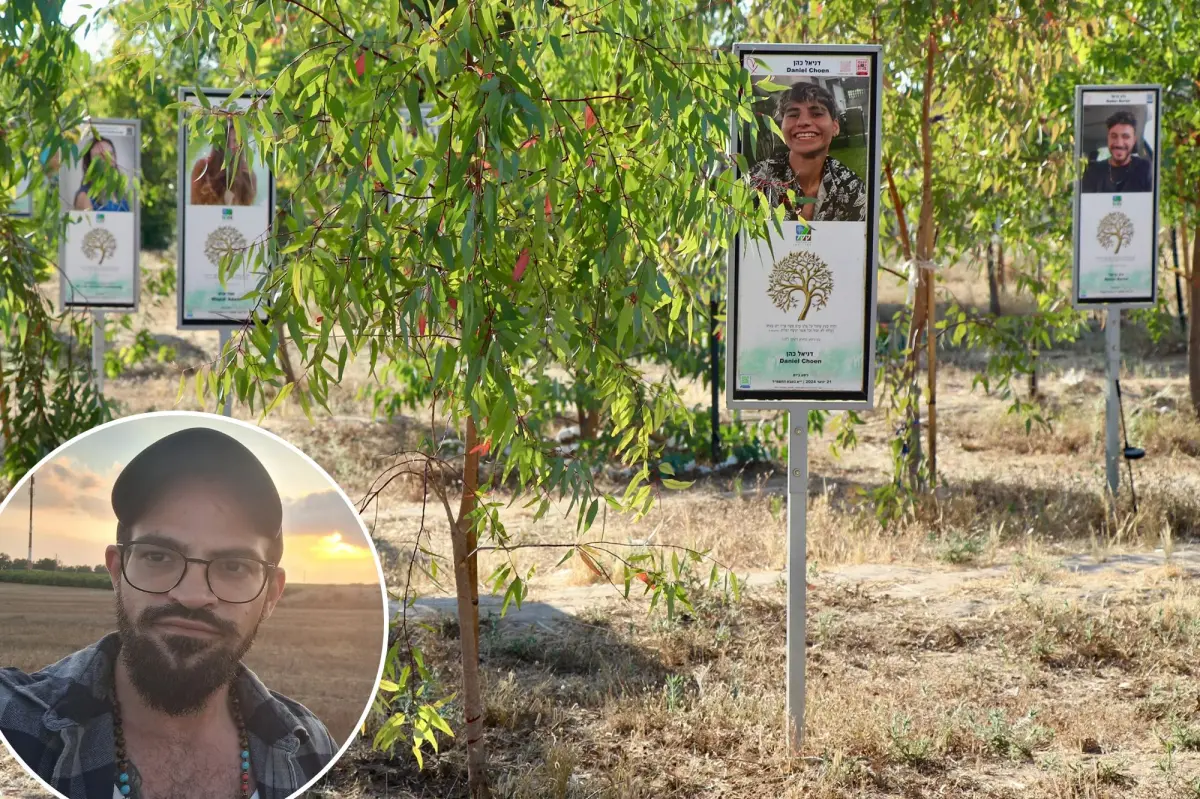
三年后,哈马斯10月7日大屠杀后,以色列南部的一段漫长公路仍是一个令人心碎的露天纪念地,标记着音乐节参与者绝望逃亡最终以屠杀告终的地点。
Three years after Hamas’s Oct. 7 massacre, a long stretch of highway in southern Israel remains a haunting open-air memorial, marking where festivalgoers’ desperate attempts to escape ended in slaughter.
这条公路是232号国道,是Nova音乐节唯一的出口 — — 但对数百名逃离袭击的人而言,它变成了通往悲剧的道路,因为路边的防空掩体变成了死亡陷阱,周围的田野变成了屠杀场。
The highway, Route 232, was the only way out of the Nova music festival — but for hundreds fleeing the attack, it became a road to tragedy as its roadside bomb shelters turned into death traps and surrounding fields into killing grounds.
火箭弹在头顶呼啸而过,恐惧中的狂欢者们涌上232号国道,那里建有混凝土防空掩体,用于保护平民免受火箭弹袭击,随处可见,就像公交站一样普遍。
As rockets flew overhead, terrified revelers streamed onto Route 232, where concrete bomb shelters built to protect civilians from rocket attacks are as ubiquitous as bus stops.
有人挤进掩体,以为自己找到了庇护所。另一些人则抛弃汽车,散落在乡村各处,绝望地寻找掩护。
Some crammed inside, believing they had found refuge. Others abandoned their cars and scattered across the countryside, desperately searching for cover.
哈马斯武装分子追踪他们,向掩体开火,用手榴弹从狭窄的入口投掷进去,然后追捕并伏击那些步行或驾车逃亡的人。
Hamas gunmen hunted them down, firing into the shelters, hurling grenades through their narrow entrances, and then pursuing and ambushing those who fled on foot and by car.
如今,当地人对《邮报》所说,这条公路被称为“死亡之路” — — 一条绵延数英里的广阔纪念地,一个弹孔密布的掩体接一个掩体,墙上贴满了逝者的笑容照片、鲜花和手写的悼念。
Today, the highway is referred to by locals who spoke to The Post as “Death Road” — a sprawling, miles-long memorial where one bullet-riddled shelter gives way to another, their walls covered with smiling portraits of the dead, flowers and handwritten tributes.
沥青路面之外,临时的祭坛点缀在田野中,标记着人们试图逃亡时被枪杀的地点。
Beyond the asphalt, makeshift shrines dot the fields where people were gunned down trying to escape.
在附近的Nova音乐节现场,照片矗立在那里,曾有数千人在此聚会跳舞,而褪色的“带他们回家”海报仍挂在住宅大门上。
At the nearby Nova festival grounds, photographs stand where thousands once gathered to dance, while faded “Bring Them Home” posters still hang from residential gates.
这些纪念地共同追溯了大屠杀的惊人范围,标记着人们在数英里的道路和农田中被杀害的地点。
Together, the memorials trace the extraordinary reach of the massacre, marking the places where people were murdered across miles of roads and farmland.
根据10月7日议会委员会报告,在232号国道及其连接道路的33英里路段上,近300人遇难,包括音乐节参与者、司机、骑行者、农场工人和警察。
Nearly 300 people were killed along a 33-mile stretch of Route 232 and connecting roads, including festivalgoers, motorists, cyclists, farmworkers and police officers, according to the October 7 Parliamentary Commission Report.
其中一名逃脱者是以色列裔美国人吉拉德·卡尔普拉斯(Gilad Karplus),34岁,他在穿过田野逃亡时被击中头部。
Among those who escaped was Israeli-American Gilad Karplus, 34, who was shot in the head while fleeing through the fields.
“人们为了生存四散逃离,”他对《邮报》说。“我们大部分的生存故事都发生在非公路区域。”一条没有出路的道路卡尔普斯并不是来诺瓦参加派对的。
“People scattered to all different places for survival,” he told The Post. “Most of our survival story is off-road.”A road with nowhere to run Karplus had not come to Nova to party.
“我是一名专业人士,来到音乐节担任按摩师,为人们治愈创伤,”他说。
“I was a professional who came to work at the festival as a masseuse, to heal people,” he said.
“在袭击发生的早晨,我看见我整个童年成长的地区正被火焰吞噬,而我正身处音乐节之中。”当火箭弹开始倾泻而下时,卡尔普斯和他的朋友们将按摩设备装进了一辆吉普车。
“On the morning of the attacks I saw my entire childhood area, where I grew up, going in flames while at the festival.”When rockets began raining down, Karplus and his friends packed their massage equipment into a Jeep.
但几分钟后,曾在以色列特种部队服役的卡尔普斯很快辨认出了AK-47步枪独特的射击声。
But moments later, Karplus, who had served in the Israeli special forces, soon recognized the distinctive sound of AK-47 gunfire.
“他们在开火,而在我意识到之前,我身边的这些孩子们已经一个接一个倒在地上,”他回忆道。
“They were shooting, and before I noticed, all these kids around me just fell to the ground,” he recalled.
他跳进车里和朋友们一起,开始在充斥着恐怖分子的景观中进行绝望的逃亡。他没有随人群冲上高速公路,而是敦促朋友驾车穿越周围的田野。
He jumped into the car with friends, beginning a desperate escape through a landscape swarming with terrorists. Rather than follow the crowds onto the highway, he urged his friend to drive through the surrounding fields.
“我认为他们会在公路上袭击更多人,这被证明是正确的,而且在基布兹地区也是如此,”他说。“所以我告诉我的朋友开车离开公路。”但危险无处不在。“然后我们发现,恐怖分子也藏匿在非公路区域,”他继续说道。
“I was thinking they were going to attack more people on the road, which was correct, and in the kibbutzim,” he said. “So I told my friend to drive off-road.”But the danger was everywhere. “Then we found there were also terrorists off-road,” he continued.
他们驾驶时,卡尔普斯回忆起发现了一辆显然被袭击的军用车辆,车身外部沾满了血迹。
As they drove, Karplus recalled finding an apparently attacked military vehicle, with blood on its exterior.
他取下了一支M16步枪,但他说这支枪已经严重过热,无法开火。枪声、尖叫和烟雾将他们团团围住。“就在一瞬间,时间仿佛静止了,就像时间死了一般,”他说。
He retrieved an M16 rifle but said it was too badly overheated to fire. Shooting, screams and smoke surrounded them. “Just for a moment, time stood still, and it was like time died,” he said.
此时,一些乘坐皮卡车的武装分子靠近,而小队部分成员正站在吉普车外。
At one point, gunmen in pickup trucks approached while some of the group were outside the Jeep.
卡尔普斯和其他人试图吸引袭击者的注意力,以便他们的朋友能够藏匿起来。“他们就这样开始朝着加沙的围栏方向追赶我们,”他说。根据卡尔普斯的说法,有一名朋友被绑架进入加沙,后来被杀害。
Karplus and the others tried to draw the attackers away so their friends could hide. “They just started chasing us towards the fence of Gaza,” he said. One friend was abducted into Gaza and later killed, according to Karplus.
剩下的成员加速穿越农田,却在靠近基布兹贝埃里时再次遭遇更多袭击者。他们从两边冲过来,”他回忆道。
The remaining group sped through agricultural land, only to encounter more attackers near Kibbutz Be’eri. “They came from both sides,” he recalled.
“他们向我们开火,一颗子弹击中了我车那边的侧面,子弹从侧面穿透后脑勺击中了我。”他保持清醒,用帽子止血,同时紧握着那支已经失效的武器。“我没有感到疼痛,因为肾上腺素在起作用,”他说。
“They shot at us, and one of the bullets hit my side of the car, and I was shot in the back of the head through the side.”He remained conscious, using his hat to stem the bleeding while clutching the useless weapon. “I did not feel any pain because of adrenaline,” he said.
“这太疯狂了,我觉得自己快要死了。”最终,这群人在一家自行车店旁边的厕所里找到了庇护,躲藏了六个半小时。
“It was crazy, and I felt like I was going to die.”Eventually, the group found refuge in a bathroom next to a bicycle shop, where they hid for six and a half hours.
“整整六个半小时,我们都能听到他们;他们只是不知道我们在那里,”他说。
“For the entire 6.5 hours, we could hear them; they just didn’t know we were there,” he said.
“我告诉[我的朋友]要用鼻子呼吸,以免发出声音。”他的思绪飘向了他的祖母,一位大屠杀幸存者。“我只是在想她,以及她经历过的一切,”他说。当以色列士兵终于找到他们时,外面的破坏景象几乎难以想象。
“I told [my friend] to breathe through her nose to not attract sound.”His thoughts turned to his grandmother, a Holocaust survivor. “I was just thinking of her and what she’s been through,” he said. When Israeli soldiers finally reached them, the devastation outside was almost incomprehensible.
“到处都是难以想象的死亡和屠杀,汽车被烧毁,道路上到处都是血,”卡尔普拉斯回忆道。那些变成死亡陷阱的避难所在232号公路上,最令人心碎的纪念也是最简单的。
“There was just unimaginable death and carnage, cars burned and blood on the road,” Karplus recalled. The shelters that became death traps Along Route 232, the most chilling memorials are also the simplest.
这些避难所原本是为了保护平民免受火箭弹袭击而建造的,但没有门的路边避难所在面对近距离射击的武装分子时几乎毫无防护能力。
Built to protect civilians from rocket fire, the door-less roadside shelters offered little defense against gunmen attacking at close range.
在靠近雷伊姆交叉口的一处避难所里,22岁的阿内尔·沙皮拉一次又一次地将手榴弹从入口处掷回去,以对抗正在针对躲藏者的哈马斯袭击者。他最终被杀害。
At one near Re’im Junction, 22-year-old Aner Shapira repeatedly threw grenades back through the entrance as Hamas attackers targeted those hiding inside. He was eventually killed.
从该避难所被掳走的人中,包括23岁的以色列裔美国人赫什·戈德堡-波林,他在袭击中手臂部分被炸断。他于2024年在加沙被俘期间遇害。
Among those abducted from the shelter was 23-year-old Israeli-American Hersh Goldberg-Polin, whose arm was partially blown off during the attack. He was murdered in captivity in Gaza in 2024.
在贝埃里交叉口的避难所里,其他参加音乐节的人在寻求庇护后被屠杀。
At the Be’eri Junction shelter, other festivalgoers were slaughtered after seeking refuge.
如今,他们的照片密密麻麻地贴在混凝土墙上,鲜花和个人物品堆放在他们下方。
Today, their photographs crowd the concrete walls, flowers and personal belongings piled beneath them.
这些不是建在某个方便地方的纪念碑。它们矗立在屠杀发生的地方——就在一条原本普通的公路旁边,车辆仍在继续通行。
These are not monuments erected somewhere convenient. They stand where the killing happened — beside an otherwise ordinary highway where traffic continues to pass.
跳舞停止的地方 在靠近雷伊姆的诺瓦音乐节场地,路边的纪念物让位于一片广阔的纪念场地。
Where the dancing stopped At the Nova festival grounds near Re’im, the roadside tributes give way to a vast field of remembrance.
照片遍布整个场地,包括曾经的舞池区域,展示着年轻男女在生命被暴力夺走之前欢笑、微笑、相拥的瞬间。
Photographs stand across the site, including the former dance-floor area, showing young men and women laughing, smiling and embracing before their lives were violently cut short.
失去亲人的亲属们回到这里,站在他们熟悉的面容前,有些人甚至在纪念日之外也忍不住泪流满面。在这座纪念地最令人不安的展品之一,是一个普通的黄色垃圾箱。
Bereaved relatives return to stand before familiar faces, some overcome with tears even outside anniversary commemorations. Among the memorial’s most disturbing exhibits is an ordinary yellow rubbish container.
当袭击开始时,恐惧中的音乐节参与者爬进了垃圾箱,藏身于垃圾袋之间。
When the attack began, terrified festivalgoers climbed inside and concealed themselves among the rubbish bags.
根据纪念地的记载,他们藏了数小时,直到上午11点47分,一名持枪者闯入并开火。箱内有九人被杀害,七人幸存。该垃圾箱于2024年8月被找回并送回音乐节现场。
According to the memorial’s account, they hid for hours until a gunman entered at 11:47 a.m. and opened fire. Nine people inside were murdered and seven survived. The original container was recovered and returned to the festival site in August 2024.
箱内有躲藏者留下的照片和信息——求救的恳求,爱的宣言,以及最后的告别。保护伤痕的斗争 这些避难所的未来已成为备受争议的话题。
Inside are photographs and messages sent by those hiding there — pleas for help, declarations of love and final farewells. The fight to preserve the scars The shelters’ future has become deeply contentious.
六月份,Ynet报道称,埃什科尔地区委员会正考虑将一些避难所迁移到正式的纪念地,因为游客在繁忙道路旁聚集带来了危险。遇难者家属强烈反对这一提议。
In June, Ynet reported that the Eshkol Regional Council was considering moving some to a formal memorial because of the dangers posed by visitors gathering beside busy roads. Bereaved families fiercely opposed the proposal.
“我们必须把它们保留在原地,”希拉·阿比尔说道,她的兄弟洛坦在贝埃里交叉口的避难所遇害,她对媒体如是说。
“We have to preserve them where they are,” Hila Abir, whose brother Lotan was killed at the Be’eri Junction shelter, told the outlet.
在这起大屠杀三周年之际,以色列遗产部长宣布这些避难所为国家遗产地,未经专业批准不得擅自移动或改动,据当地媒体报道。
On the massacre’s third anniversary this week, Israel’s heritage minister declared the shelters national heritage sites, restricting their removal or alteration without professional approval, according to local media.
对卡尔普拉斯而言,232号公路仍然太过痛苦,他无法完全重新面对它。
For Karplus, Route 232 remains too painful to fully revisit.
三年前他被枪击头部,至今仍有弹片残留在体内,且难以获得足够的康复治疗。
Three years after being shot in the head, he says he still lives with shrapnel and struggles to obtain adequate rehabilitation.
如今,他为 fellow survivors 提供按摩治疗,回归曾将他带到诺瓦的治愈工作。
He now provides massage treatments to fellow survivors, returning to the healing work that brought him to Nova.
尽管他住的地方离这里只有半小时车程,但他从未重走完整的逃生路线。“我从未走完我所经历的整条路线,”他说。对幸存者而言,死亡之路承载着可怕的记忆。
Yet despite living only half an hour away, he has never retraced his entire escape route. “I haven’t been through the entire route of what I’ve been through,” he said. For survivors, Death Road holds horrific memories.
对游客而言,这里是见证屠杀规模的地方,可以在避难所停留,阅读名单,试图理解发生了什么。车辆川流不息。鲜花被更换。新的留言出现在照片下方。
For visitors, it’s a place to witness the scale of the slaughter, to stop at a shelter, read the names and try to comprehend what happened. Traffic moves past. Flowers are replaced. New messages appear beneath the photographs.
但一英里又一英里,死者的面容依然存在——这是一份令人心碎的记录,记录着那些逃离了音乐节却未能逃过屠杀的人们。
But mile after mile, the faces of the dead remain — a heartbreaking record of those who escaped the festival, but not the massacre.