由舒莉·伦 人工智能投资热潮的怀疑者们正在加码。亿万富翁雷·达利奥上周警告称,泡沫正接近破裂点,而因《大空头》成名的迈克尔·伯里也提前了他看空论点的时间表。软银集团公司创始人孙正义设立另一只1000亿美元人工智能聚焦型风险投资基金的尝试,只会让怀疑者们获得更多弹药。
Skeptics of the artificial investment boom are doubling down. Billionaire Ray Dalio warned last week that the bubble was near its bursting point, while Michael Burry of the fame brought forward the timeline for his bearish thesis. SoftBank Group Corp. founder Masayoshi Son’s attempt to set up another $100 billion AI-focused venture capital fund will only give the doubters more ammunition.
孙正在寻求从海湾地区筹集高达1000亿美元。他计划用这些资金设立一个基金,该基金将收购公司,并利用人工智能和其他先进技术来转变其运营,据《金融时报》报道。
Son is looking to raise up to $100 billion from the Gulf. He would deploy the money to set up a fund that would acquire companies and use AI and other advanced technologies to transform their operations, the Financial Times reported.
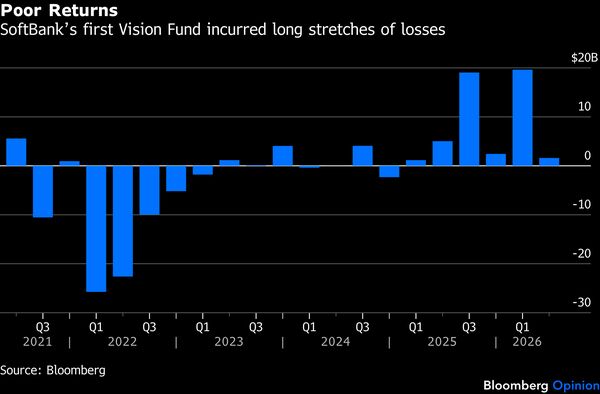
这不会是一个容易的推销。该地区的投资者对软银首只1000亿美元愿景基金的业绩记录了如指掌。该基金成立于2017年,主要得到沙特阿拉伯公共投资基金和阿联酋穆巴达拉的支持。随后出现了一些高调的失败案例,包括WeWork在2019年的失败上市以及2021年贸易融资初创公司格林西尔的倒闭。自成立以来,该基金截至6月底仅实现了266亿美元的账面收益,对于近十年的投资而言,这 hardly 算得上是耀眼的回报。
It won’t be an easy pitch. Investors in the region know all too well the track record of SoftBank’s first $100 billion Vision Fund. It was set up in 2017, with major backing from Saudi Arabia’s Public Investment Fund and United Arab Emirates’ Mubadala. It was followed by some high-profile blowups, including WeWork’s botched listing in 2019 and the collapse of trade financing startup Greensill in 2021. Since its inception, the fund has generated $26.6 billion in paper gains through the end of June, hardly a stellar return for almost a decade of investing.
孙愿意回到中东并冒险进行艰难谈判,甚至可能面临被拒绝,这凸显出一个更大的问题。即便是软银——作为人工智能最狂热的信徒之一——也在努力将其投资变现。公开市场不再愿意接受天价估值。孙已向其中投入650亿美元的OpenAI,今年不会上市。软银能源公司(SB Energy Corp.)是一家子公司,正推进在美国俄亥俄州建设全球最大数据中心项目之一的计划,但因投资者对其银行家所寻求的500亿美元估值持保留态度,其首次公开募股的计划已被推迟。这些超级独角兽的退出通道正在变窄。
That Son is willing to return to the Middle East and risk tough negotiations, and possible rejection, underscores a larger problem. Even SoftBank, among AI’s most fervent believers, is struggling to monetize its investments. Public markets are no longer willing to accept sky-high valuations. OpenAI, into which Son has poured $65 billion, won’t list this year. SB Energy Corp., a subsidiary pursuing what would be the world’s largest data-center project in Ohio, has delayed its public debut as investors balk at the $50 billion valuation its bankers had sought. The exit route for these mega-unicorns is narrowing.
与此同时,随着全球债券收益率上升,债权人正在重新定价风险,尤其是与AI相关的任何事物。软银正在为其垃圾债券支付创纪录的收益率,并同意担保一笔由OpenAI股份支持的100亿美元保证金贷款——这一特点相当不寻常,因为该债务已经有抵押品。随着资产负债表紧张,软银已经将传统融资推向了尽头。它正在越来越多地刮尽融资桶的底部。
Meanwhile, with global bond yields on the rise, creditors are re-pricing risk, especially anything tied to AI. SoftBank is paying record yields on its junk bonds and has agreed to guarantee a $10 billion margin loan backed by OpenAI shares, an unusual feature given the debt is already collateralized. With its balance sheet stretched, SoftBank has pushed conventional financing about as far as it can. It’s increasingly scraping the bottom of the financing barrel.
这一困境远远超出软银的范围。任何投资最终都取决于以下因素:预期回报、资本成本以及收回资金所需的时间。这三个因素正日益不利于继续向AI投入更多资本的论点。
This dilemma extends well beyond SoftBank. Any investment ultimately rests the following: the expected return, the cost of capital and how long it takes to get the money back. All three are increasingly turning against the case for pouring yet more capital into AI.
诚然,中东投资者愿意听取孙正义的 pitch 本身就很奇怪。我的赌注是,这反映出的不是投资纪律的松懈,而是寻找便宜货的前景。软银以前就做过这件事。它曾以成本价将现有资产转入由沙特支持的愿景基金,作为其出资的一部分——而孙正义可以再次这样做。他最初在OpenAI上的350亿美元投资,毫无疑问是盈利的。以有吸引力的价格买入这些收益将是合理的。但那更像是一次特殊情形的交易,而不是对下一波AI投资的热烈信任投票。
Granted, it’s curious that investors from the Middle East are entertaining Son’s pitches at all. My bet is that this reflects not lax investment discipline, but prospects of a bargain. SoftBank has done this before. It transferred existing assets at cost into the Saudi-backed Vision Fund as part of its contribution — and Son can do that again. His first $35 billion deployments in OpenAI are by all means lucrative. Buying into those gains at an attractive price would make sense. But that would look more like a special-situations trade than a resounding vote of confidence in the next wave of AI investment.
上周在新加坡福布斯全球CEO大会上,达利奥发表了一个耐人寻味的观察:“每个人都说‘我价值十亿美元’,但好吧,试着去花那笔钱……你必须变卖财富才能得到现金——因此泡沫通常会被刺破。”的确,试着把这些纸面上的十亿美元变成真金白银。孙正义日益艰难地寻找新资本的行为,或许本身就是AI投资周期正进入后期的一个信号。
Speaking at the Forbes Global CEO conference in Singapore last week, Dalio made a telling observation: “Everybody says ‘I’m worth a billion dollars’ but OK, try to spend that… you have to sell wealth in order to get money — and so the bubble usually pricks.”Indeed, try turning these paper billions into actual cash. Son’s increasingly strenuous search for fresh capital may itself be a sign that the AI investment cycle is entering its late stages.