东京 — — 日本计划调整其“特定技能”计划下的一些分类,该计划允许外国人来到该国并在面临劳动力短缺的行业工作,旨在在不提高总体入境上限的情况下,继续在特定行业招聘。
TOKYO -- Japan plans to change some classifications under its "specified skilled worker" program, which lets foreign nationals come to the country and work in industries facing labor shortages, looking to continue hiring in certain sectors without raising the overall entrance cap.
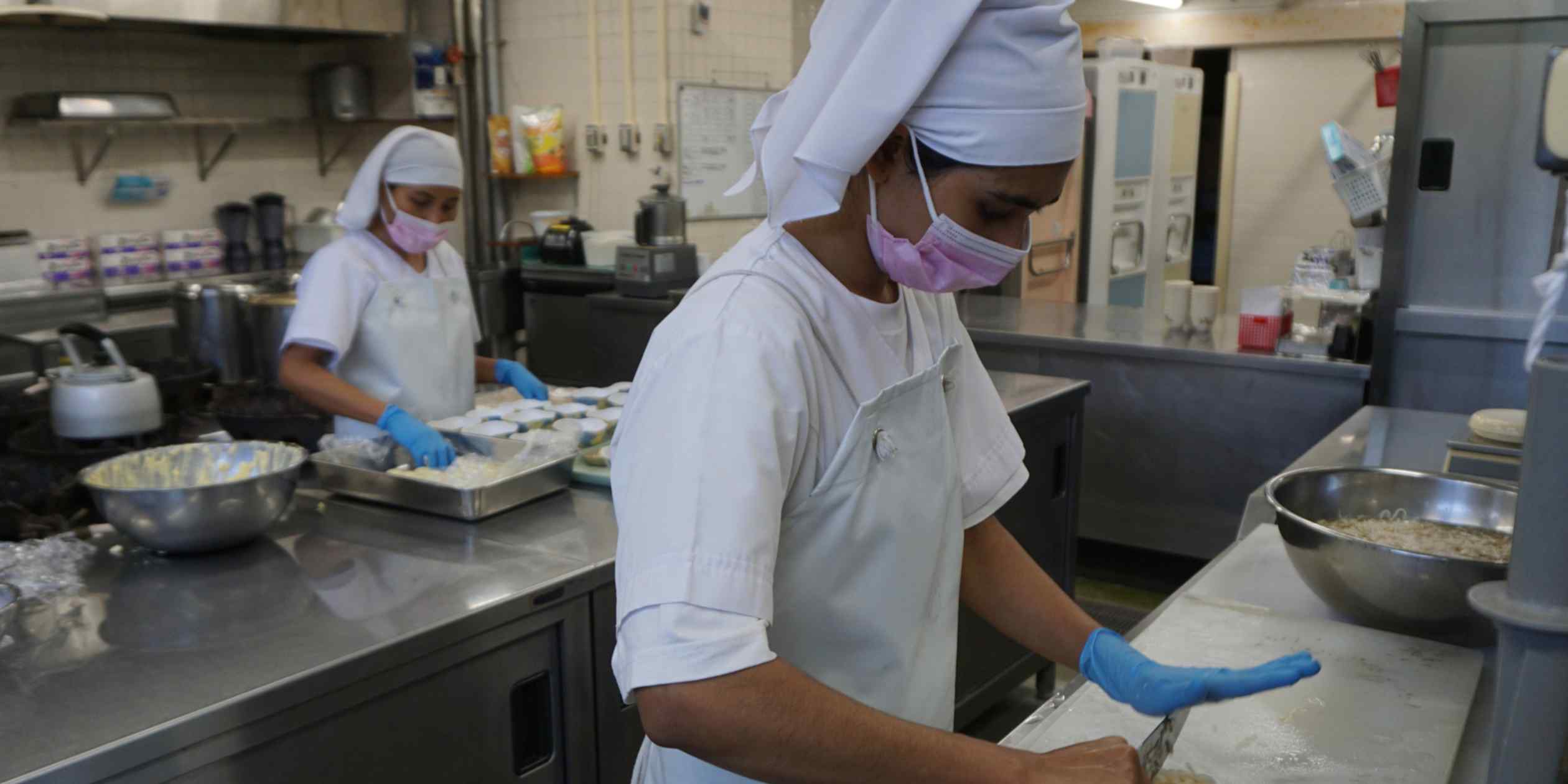
政府打算恢复在医疗和福利设施的餐饮服务以及避免暂停护理行业的外国劳工招聘。
The government intends to resume admissions of foreign workers for food service operations at medical and welfare facilities, as well as avoid suspending those for the nursing care sector.
日本出入国在留厅及其他政府部门正在协调这些变动。专家小组将在10月中旬左右讨论该提案,东京希望在年底前获得内阁批准。
Japan's Immigration Services Agency and other governmental bodies are coordinating the changes. An expert panel will discuss the proposal around mid-October, with Tokyo aiming for cabinet approval by the end of the year.
但改变行业和工人配额在各类别之间的分配将偏离该计划最初的原则 — — 即根据每个行业所需的劳动力数量来确定配额。一些人认为这一变化表明该系统正暴露出缺陷。
But shifting industries and worker quotas among categories would deviate from the program's original principle of determining how many workers are needed in each sector. Some see the change as a sign that flaws are emerging in the system.
政府提议将医疗和福利设施的餐饮服务重新划归至食品饮料制造业。此类操作属于餐饮行业,该行业的新招聘已于4月暂停。若该调整得以实施,此类餐饮服务岗位的新资格认证可能早在2027年4月恢复。
The government proposes recategorizing food service at medical and welfare facilities as part of the food and beverage manufacturing sector. Such operations fall into the restaurant sector, where new admissions were suspended in April. If changed, new eligibility certifications for such food service jobs could resume as early as April 2027.
据认为,机构餐饮服务领域的特定技能工人至少占该计划餐饮行业49,000人中的数千人。由于日本计划将食品饮料制造业的上限维持在133,500人,将新增的机构餐饮服务工人划入该类别可能导致该行业的招聘更早被暂停。
Specified skilled workers in institutional food services are thought to account for at least several thousand of the 49,000 people in the program's restaurant sector. As Japan intends to keep the cap for the food and beverage manufacturing sector at 133,500, transferring new institutional food service workers into the category could cause admissions there to be suspended sooner.
根据律师兼外国人雇佣专家杉田翔平的估算,食品饮料生产的配额将在2028年8月前用满。
The quota for food and beverage production will be filled by August 2028, according to an estimate by Shohei Sugita, a lawyer and expert on the employment of foreign nationals.
在护理领域,20,000个职位将从日本4月启动的“技能发展就业计划”转移至“特定技能”计划。截至7月,该领域有81,000名外国人持有特定技能资格,上限为126,900人。
In nursing care, 20,000 positions will be moved from Japan's Employment for Skill Development program, which starts in April, to the specified skilled worker program. As of July, 81,000 foreigners held specified skilled worker status in the sector, with a cap of 126,900.
日本原本预计护理领域的招收将在2027财年下半年暂停,该财年从4月开始。但这一调整实际上将使特定技能计划的配额增加约15%,从而推迟暂停。同时,技能发展就业计划的名额将减少约60%。
Japan had expected nursing care sector admissions to be suspended in the second half of fiscal 2027, which begins in April. But the shift essentially would expand the specified skilled worker quota around 15%, allowing the suspension to be postponed. It also would reduce the number of slots under the Employment for Skill Development program by around 60%.
许多日本城市以外地区的护理服务提供者依赖政府的技能实习生计划来招聘员工。该计划下的工资低于特定技能工人的工资,且参与者通常不允许更换雇主。减少技能发展就业计划下的护理领域配额——该计划将取代技能实习制度——可能使一些提供者更难以招聘新员工。
Many Japanese nursing care providers outside of urban centers rely on the government's technical intern training program to secure workers. Wages under that program are lower than for specified skilled workers, and participants generally are not allowed to change employers. Reducing the nursing care quota under the Employment for Skill Development program, which will replace the technical intern system, could make it more difficult for some providers to recruit new workers.
特定技能计划于2019年推出,旨在缓解劳动力短缺问题,为每个行业设定五年期的招收上限。政府各部门在考虑国内劳动力保障和生产率提升的努力后,计算所需的劳动力人数。
The specified skilled worker program, introduced in 2019 to address labor shortages, sets five-year admission caps for each sector. Government ministries calculate the number of workers needed after accounting for efforts to secure domestic labor and improve productivity.
在该计划整体范围内,在达到上限之前,可能有更多的人员进入日本。截至7月,有432,010名外国居民持有特定技能资格,而截至2029年3月的上限为805,700人。
Across the program, considerably more individuals could enter Japan before the cap is met. As of July, 432,010 foreign residents held specified skilled worker status, compared with a ceiling of 805,700 through March 2029.
但各行业的情况各不相同。餐饮行业的招收在4月被暂停,因为申请人数已接近其50,000人的上限。这导致该行业的企业开始竞争已经持有特定技能资格的外国人。
But conditions vary among the program's 19 sectors. Admissions to the restaurant sector were suspended in April after the number approached its cap of 50,000. That has led businesses in the industry to compete for foreigners who already hold specified skilled worker status.
暂停招聘外籍劳工也可能影响医疗、福利服务以及护理等关键行业。
A halt in recruitment of foreign workers also could impact essential industries such as medical and welfare services as well as nursing care.
高市早苗总理的政府对扩大外籍就业持谨慎态度,导致提高整体上限变得困难。各部委则试图通过重新划分行业界限、重新分配配额来避免暂停招聘,同时保持整体上限不变。
Prime Minister Sanae Takaichi's government is cautious about expanding foreign employment, making it difficult to raise the overall ceiling. Ministries instead seek to avoid suspending admissions by redrawing the boundaries among sectors and reallocating quotas while keeping the overall cap unchanged.
“可以理解为鼓励企业提高生产力而设定外籍就业上限的 rationale,”东海大学专门研究国际劳工迁移的教授万米雄说。但“在行业和项目之间重新分配配额会‘掏空’该制度的初衷。”
"One can understand the rationale for setting limits on foreign employment to encourage companies to raise productivity," said Masao Manjome, a professor at Tokai University specializing in international labor migration. But reallocating quotas among sectors and programs "hollows out the original purpose of the system."
“短期劳动力供需极难预测,”他说。“政府应设定具有足够弹性的上限,并根据实际入境人数灵活运行该制度。”
"It's extremely difficult to forecast short-term labor supply and demand," he said. "The government should set ceilings with sufficient leeway and operate the system flexibly while monitoring the actual admission numbers."