忘掉AI垃圾。我们可能很快就会出现“AI蠕虫”和AI“黏菌”。在这份最新的AI噩梦燃料中,Anthropic的研究人员发现,小型流氓AI模型可能——早在2026年底——就开始钻进家用设备,比如智能烤箱、智能冰箱、自动吸尘器和割草机。这些联网设备通常“安全措施极其有限”,使得小型模型能够利用其算力并自我复制,Anthropic的AI能力研究团队在周一的一份报告中写道。
Forget AI slop. We might soon have "AI worms" and AI "slime mold." In this latest instalment of AI nightmare fuel, Anthropic's researchers have discovered that small rogue AI models might — as soon as the end of 2026 — start worming their way into home devices like smart ovens, smart refrigerators, automatic vacuum cleaners, and lawn mowers. These internet-connected devices typically have "minimal security measures in place," allowing small models to feed off of their computing power and self-replicate, Anthropic's AI capabilities research team wrote in a report on Monday.
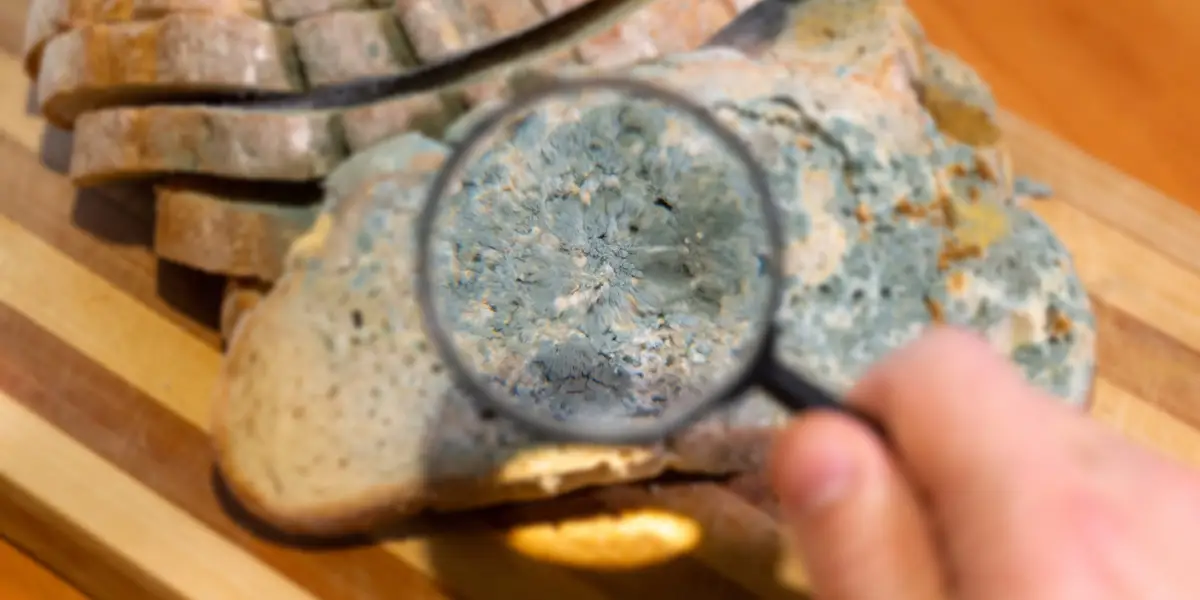
这可能表现为“一种缓慢的、分布式的'数字黏菌',寄生在相对不安全的算力上”,研究人员写道。该团队研究了小型中国模型的行为,如Z.ai的GLM-5.2和阿里巴巴的通义千问,以及其他模型,如谷歌DeepMind的Gemma4-26B-A4B。他们在运行推理时,向Gemma模型输入了提示,使用了15台廉价的非品牌安卓电视盒,每台售价55美元,并发现它有效。
This could take the form of "a slow, distributed 'digital slime mold,' living on relatively insecure compute," the researchers wrote. The team studied the behavior of small Chinese models, such as Z.ai's GLM-5.2 and Alibaba's Qwen, as well as others like Google DeepMind's Gemma4-26B-A4B. They gave a prompt to the Gemma model while running inference on 15 cheap off-brand Android TV boxes, each costing $55, and found it worked.
蠕虫在软件世界并不新鲜。传统上,它们是一种能够自我复制并在网络中传播的恶意软件。Anthropic表示,AI蠕虫在此基础上更进一步:它可以在另一台设备上自我复制,同时携带其AI模型。这一发现表明,AI模型可以利用家用智能电器的硬件作为数据中心算力的替代方案。这些将难以关闭,他们说。“作为超出我们实验的预测,我们预见一个未来,各种硬件上都将充斥着运行的智能体,包括一些不受人类控制的硬件”,研究人员写道。
Worms aren't new in the software world. Traditionally, they're a type of malware that can copy itself and spread across networks. Anthropic said an AI worm takes that idea a step further: it can reproduce itself on another device while carrying its AI model with it. This finding showed them that AI models can use the hardware in domestic smart appliances as an alternative to data center compute. These will be challenging to shut down, they said. "As a prediction that goes beyond our experiments, we expect a future awash with agents running on all types of hardware, including some that aren't under human control," the researchers wrote.
他们补充说,虽然我们应该“加固系统”以防止此类攻击,但我们也应该“为一个它们将长期存在的世界做好准备”。此项研究正值流氓AI系统在科技领域成为日益受关注的话题之时。
They added that while we should "harden our systems" to prevent such hacks, we should "also prepare to deal with a world where they are here to stay." The research comes as rogue AI systems are becoming an increasing topic of concern in the tech sphere.
上个月,在Anthropic和OpenAI等前沿人工智能实验室的前任及现任员工警告称未来10年内可能发生人工智能灾难后,这些实验室遭到了铺天盖地的批评。
Last month, there was an outpouring of criticism directed at frontier AI labs like Anthropic and OpenAI after former and current employees warned of the risk of an AI catastrophe within the next 10 years.