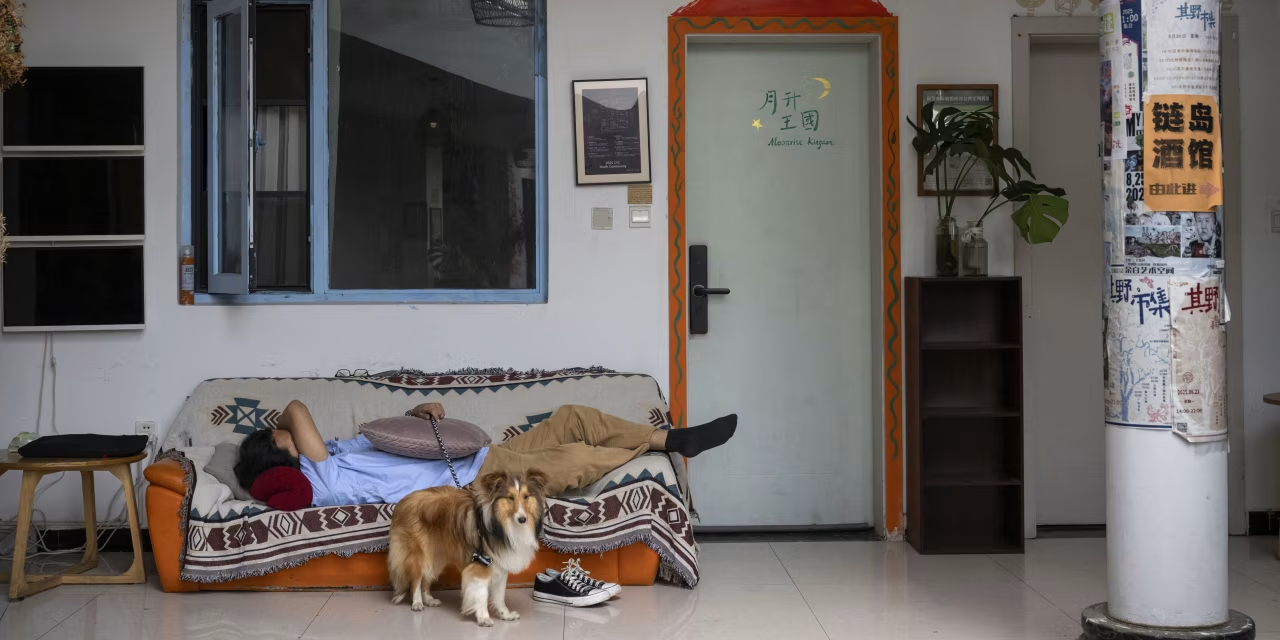
中国的Z世代原本期望比他们的父母拥有更好的生活。然而,随着好工作的获取变得越来越困难,成年的里程碑逐渐远去,他们感到精疲力竭和被背叛。
- FROM MY DESK
这一代人出生在中国经济繁荣的时期,如今步入成年时却面临着机会减少、竞争加剧以及越来越强烈的绝望感——他们认为多年的努力工作可能不会带来回报。
China’s Gen Z expected a better life than their parents. Instead, they feel burned out and betrayed as good jobs become harder to get and the milestones of adulthood slip away.
经济疲软和人工智能的快速普及压缩了就业市场,而与此同时,创纪录数量的毕业生涌入劳动力市场。
Born during China’s boom years, this generation is now entering adulthood with dwindling opportunities, fiercer competition and a growing sense of despondency that years of hard work won’t pay off.
这种压力迫使数百万人进入不稳定的零工经济,另一些人则在残酷的工作环境中不堪重负。目前,年轻人的情绪更多是无奈而非愤怒。
A weakened economy and rapid AI adoption have shrunk the job market, just as a record crop of graduates enters the workforce. That squeeze is pushing millions into the precarious gig economy, while others buckle under a cutthroat work culture.
但正如汉娜·苗所报道的,年轻人的这种幻灭感可能会演变成对共产党的威胁,甚至引发社会动荡。这对中国的未来也可能产生更广泛的影响。
For now, the mood is more resignation than anger. But as Hannah Miao reports, young people’s disillusionment could harden into something more dangerous for the Communist Party, like unrest. It could also have broader implications for China’s future.