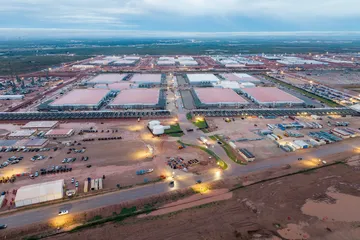
数据中心建设勉强跟上人工智能发展的步伐,能源获取和熟练劳动力是两个关键限制因素,来自该行业最大公司的高管们如是说。
The data center buildout is barely keeping up with AI development, with access to energy and skilled labor the two key constraints, according to executives from some of the largest companies in the sector.
“目前没人谈论的最大瓶颈是隐藏的瓶颈,即人才,”NTT Data公司首席执行官阿比吉特·杜贝在周二于新德里举行的彭博新经济论坛上表示。“电工、设计、施工。如今在美国,电工的薪酬大约为20万美元。”作为全球最大的数据中心运营商之一,NTT正努力以足够快的速度建设人工智能容量以跟上需求。杜贝表示,采购正确的设备可能需要长达42周。
“The biggest bottleneck nobody talks about is the hidden bottleneck, the talent,” said Abhijit Dubey Chief Executive Officer of NTT Data Inc., speaking at Bloomberg’s New Economy Forum in New Delhi on Tuesday. “Electricians, design, construction. An electrician’s compensation today in the US is about $200,000.”NTT, one of the world’s biggest data center operators, is struggling to build AI capacity fast enough to keep up with demand. Sourcing the correct equipment can take as long as 42 weeks, Dubey said.
布鲁克菲尔德资产管理公司首席执行官康纳·特斯凯表示,需求将在本十年末及以后持续超过供应。该公司是全球最大的商业房地产所有者之一。
Demand will outstrip supply through the end of this decade and beyond, said Connor Teskey, CEO of Brookfield Asset Management, one of the world’s biggest commercial real estate landlords.
人工智能的快速发展推动了全球基础设施繁荣,科技公司正竞相获取训练和运行日益强大模型所需的芯片、数据中心和电力。在人工智能数据中心建设的早期阶段,关键限制因素是英伟达公司先进芯片的持续供应。如今,越来越受限的是电力获取。彭博新闻报道称,在美国为数据中心供电的成本如今可能高达30亿美元。尽管如此,“资本不是问题,”杜贝说。
Rapid developments in AI have fueled a global infrastructure boom, as technology companies race to secure the chips, data centers and power needed to train and run increasingly capable models. In the early days of the AI data center buildout, the key limitation was a running supply of Nvidia Corp.’s advanced chips. Increasingly, it’s access to electricity. Powering up a data center can now cost as much as $3 billion in the US, Bloomberg News reported. Still, “capital is not an issue,” said Dubey.
数据中心是一项重要的投资机会,布鲁克菲尔德的特斯凯表示。但鉴于基础设施建设的困难,该公司在投资上“极其谨慎”。
Data centers are a big investment opportunity, said Brookfield’s Teskey. But the company is “incredibly selective” about its investments, given the difficulties of getting infrastructure built.
尽管批评者指出人工智能公司之间的循环交易是泡沫的证据,但特斯凯补充称,此次建设与泡沫有本质区别。
Although critics point to circular deals between AI companies as evidence of a bubble, the buildout is meaningfully different, Teskey added.
“正在建设的绝大多数基础设施都是与全球企业信用最佳的交易对手方签订了非常长期的取货或付费合同,”他说。“这些基础设施建设的最大支持者是美国和亚洲的主要超大规模云服务提供商。”“瓶颈在于谁能把这些项目从地里拉出来,”他说。
“The vast majority of the infrastructure that is being built against very long take-or-pay contracts with the best corporate credit counterparties in the world,” he said. “The biggest backstoppers of this infrastructure buildout are the major hyperscalers in the US and Asia.”“The bottleneck is who can pull these projects out of the ground,” he said.
另一个担忧是公众对数据中心和人工智能的抗议,印度外包公司Infosys Ltd.的首席执行官萨利尔·帕雷赫表示。
Another concern is public protests against data centers and AI, said Salil Parekh, CEO of Indian outsource firm Infosys Ltd.
“我看到的一个风险是,我们正在看到对人工智能建设的反弹,尤其是在许多西方市场,”他说。“我们需要找到一种方法,使社会对它的反应与似乎成为经济驱动力的因素保持平衡——目前这两者可能不同步。”
“One of the risks I see is the backlash to build out AI that we see, especially in many of the Western markets,” he said. “We need to find a way to balance the social response to it with what seems to be the economic driver — that may be out of sync right now.”