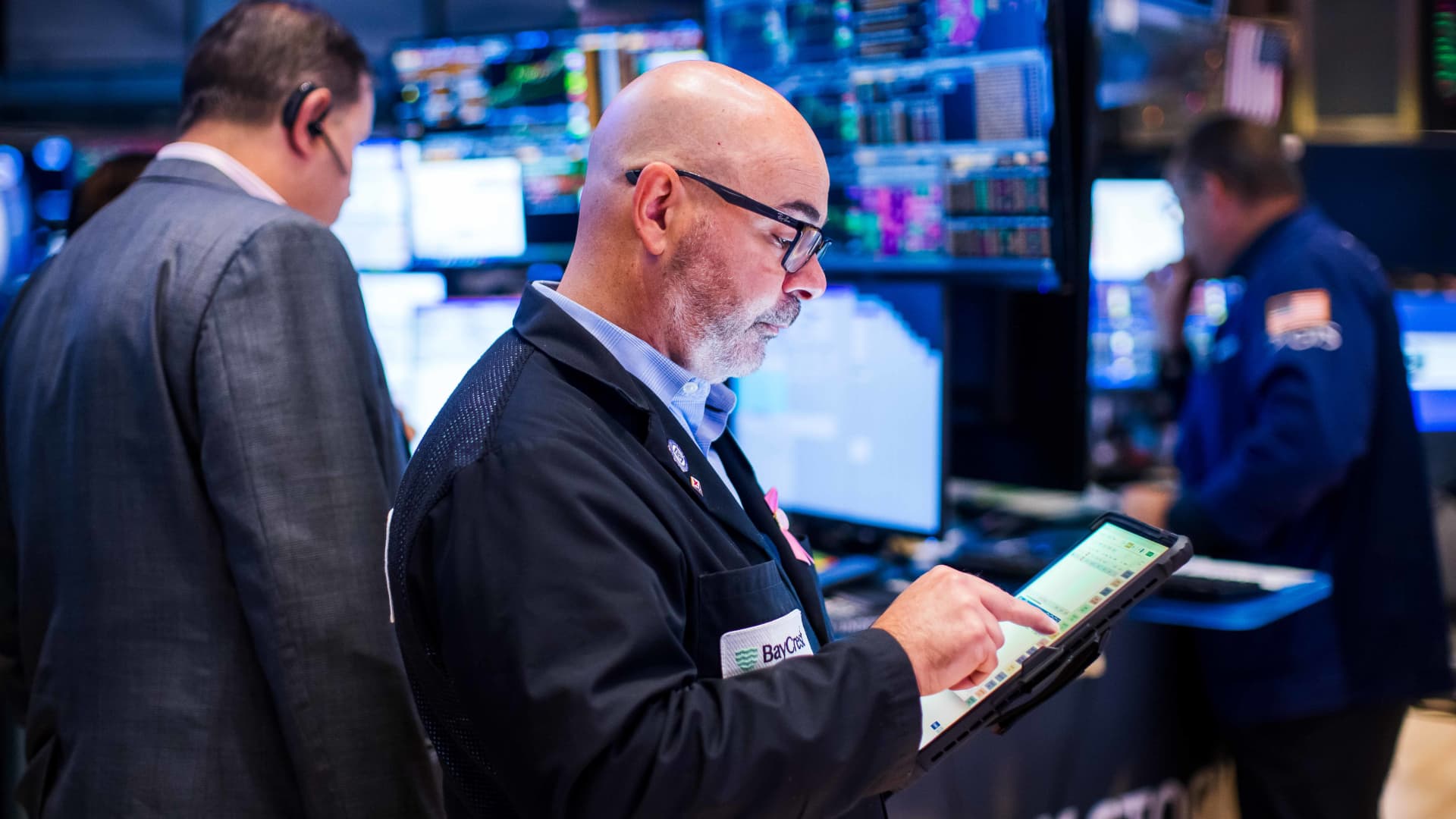
企业财报季已全面展开。摩根大通的业绩低于预期,而富国银行的第三季度业绩表现参差不齐。
The corporate earnings season has begun in full force. JPMorgan Chase reported a rare bottom line miss , while Wells Fargo's Q3 results were mixed.
花旗集团的收益超出预期,但收入仅略高于市场共识;高盛则在营收和利润方面均大幅超出预期。联合健康集团也超出预期,并上调了全年利润展望。
Citigroup earnings topped estimates, though revenue was barely above the consensus, while Goldman Sachs posted a huge beat on both the top and bottom lines. UnitedHealth , meanwhile, topped estimates and raised its full-year profit outlook .
尽管财报季开局不均,FactSet数据显示标准普尔500指数的同比收益增长仍接近30%。
Despite the uneven start to the reporting period, FactSet data shows year-on-year S & P 500 earnings growth is still tracking at nearly 30%.
不过,这一增长主要来自能源和科技两个行业:由于中东战争导致油价持续高涨,石油公司预计将实现利润大幅增长;科技行业则因人工智能建设的推进而持续盈利。然而,其他行业的增长正在放缓。
However, the bulk of that expansion is expected to come from two sectors: energy and tech. Oil companies are expected to report sharp profit jumps as oil prices remain elevated due to the war in the Middle East. Tech, meanwhile, is forecast to continue raking in cash from the artificial intelligence buildout. Growth outside of those areas, however, is slowing.
策略师萨维塔·苏布拉马尼安指出,剔除科技和能源行业后,标准普尔500指数的收益增长率预计从第二季度的12%降至第三季度的7%。
Strategist Savita Subramanian noted that S & P 500 earnings growth excluding tech and energy is expected to have slowed to 7% in Q3 from 12% in Q2. This earnings disparity may not be surprising to many investors.
这种收益差距对许多投资者来说并不意外,因为这两个行业确实是2026年表现最好的领域——科技行业上涨了36%,能源行业上涨了49%。不过,问题可能在于这两个行业的收益预期过高。
Tech and energy are by far the best-performing sectors of 2026. The former has surged 36%, and the latter has skyrocketed 49%. Problems could arise, however, from the fact that earnings expectations for both sectors are so elevated.
美国银行指出,芯片制造商和能源公司的收益增长率预计分别为130%和122%,但如果这些高预期未能实现,整个市场可能会面临压力。
BofA noted that chipmakers and energy companies are forecast to report earnings growth of 130% and 122%, respectively, from the year-earlier period. But if those lofty expectations aren't met — and the rest of the market sees slowing growth — the broader market could face pressure.
萨维塔·苏布拉马尼安表示:‘最终,指数每股收益仍高度依赖于人工智能资本支出的可持续性和盈利能力的实现,但地缘政治、利率和科技之间的相互作用可能被低估了;更高的资本成本和地缘政治瓶颈可能会破坏迄今为止较为顺利的发展态势。’
"Ultimately, index EPS remains highly dependent on the durability of the AI capex cycle and successful monetization, but the interplay between geopolitics, rates and Tech may be underestimated – a higher cost of capital and geopolitical bottlenecks could gum up what has so far been a mostly smooth story.," BofA's Subramanian said.