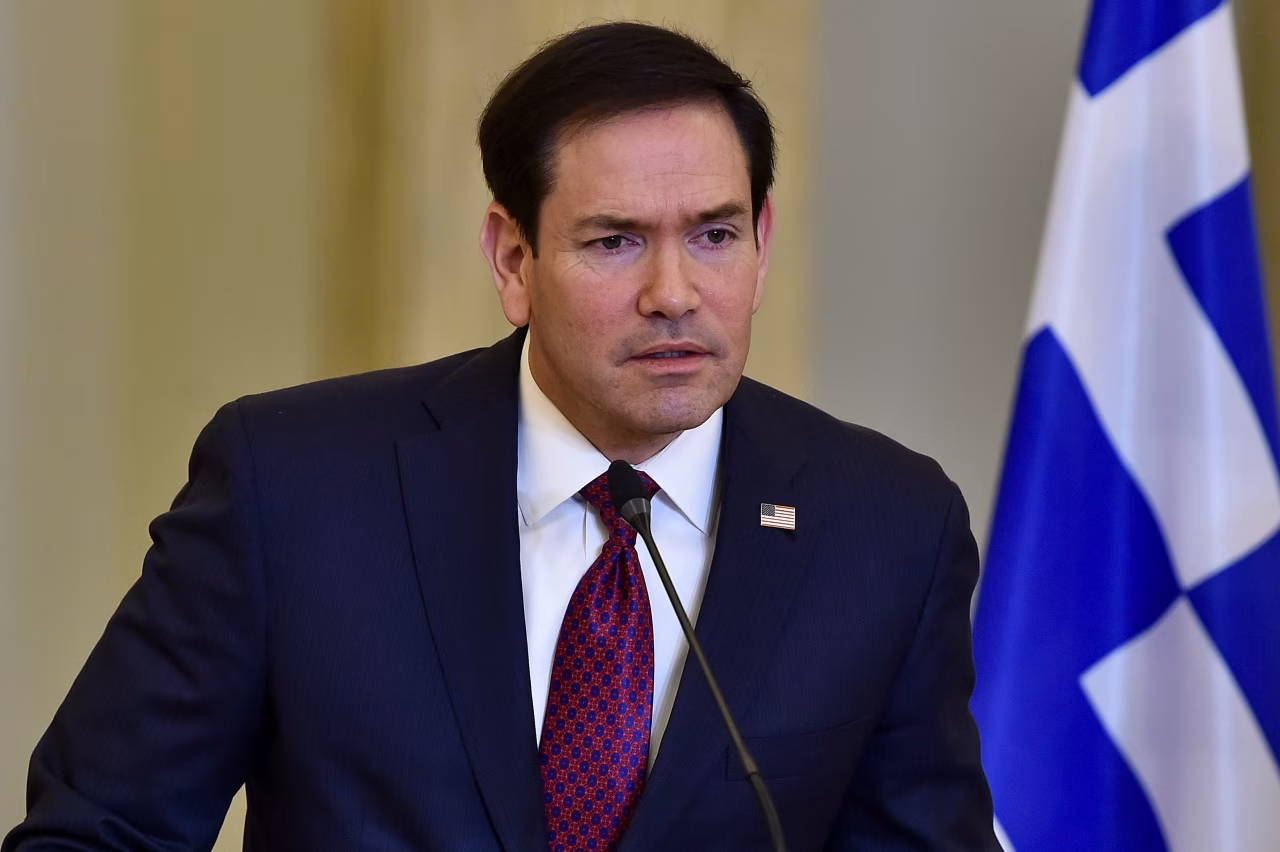
国务卿马可·鲁比奥上周在雅典发表演讲,值得认真对待。以卫城为背景,他主张古代雅典人定义了西方文明的核心。他说:“了解他们就是了解我们自己。”
Secretary of State Marco Rubio delivered a speech in Athens last week that deserves to be taken seriously. Against the backdrop of the Acropolis, he argued the ancient Athenians defined the core of Western civilization. “To know them is to know ourselves,” he said.
他列举了他们的决定性特征:“强烈的个性和不懈的野心;大胆的探索和发明;对发现、冒险、风险和荣耀的渴望”,以及理解世界的愿望和对界限与限制的拒绝。他补充说,希腊人围绕“竞争、野心、竞赛”组织公共生活。
He spelled out their defining characteristics: “fierce individuality and relentless ambition; daring exploration and invention; a yearning for discovery, for adventure, risk and glory,” coupled with the desire to understand the world and a rejection of boundaries and limits.
希腊城邦是“伟人通过斗争测试和证明自己、成为‘最优秀、最强壮、最美丽’的竞技场。”
The Greeks organized civic life around “contest, ambition, competition,” he added.
鲁比奥将这种不懈的斗争——由希腊人称为thumos(即“激情、力量、勇气、骄傲之火”)所驱动——描述为“伟大文明的心脏”。他宣称,没有它,国家就会失去战斗甚至生存的意志。
他说,在我们这个时代,欧洲已为舒适和安全抛弃了thumos,以平庸的平等主义之名拒绝追求卓越。
只有当大陆能够“从长久的沉睡中觉醒”并再次拥抱往昔的“火焰”时,它才能自救。
The Greek city was “an arena for great men to test and prove themselves through struggle to be “the best, the strongest, the most beautiful.” Mr. Rubio characterized this relentless struggle—fueled by what the Greeks called thumos, “the fire of passion, strength, courage, pride”—as the “heart of great civilization.” Without it, he declared, nations lose their will to fight, even to survive. In our times, he said, Europe has abandoned thumos for comfort and safety, rejecting the pursuit of excellence in the name of an egalitarianism of mediocrity. The Continent can save itself only if it can “awaken from its long slumber” and again embrace the “fire” of times past.