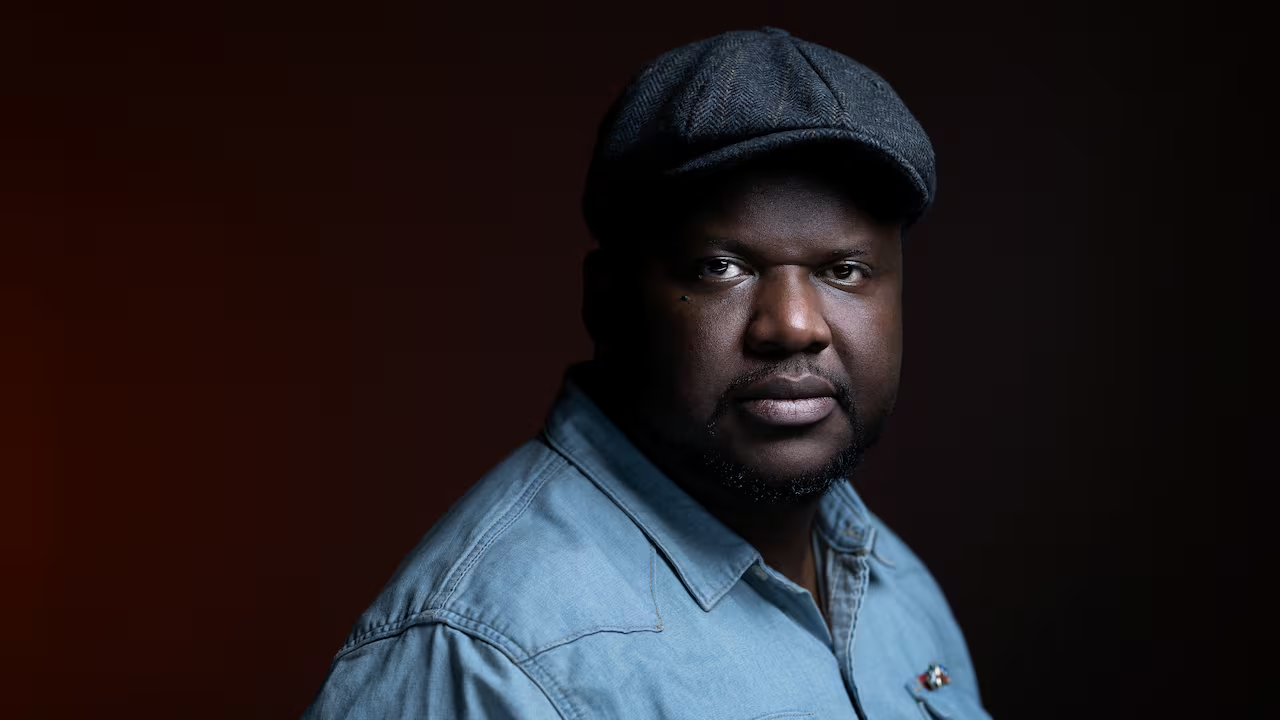
在过去几周里,魁北克籍作家泰利森·奥雷利安一直默默看着自己的名声被撕裂,如今他终于站出来回应指控,称他使用人工智能撰写了自己的处女作。
After spending the last few weeks quietly watching his reputation be torn apart, Quebec-based author Thélyson Orélien is speaking out and addressing the allegations that he used artificial intelligence to write his debut novel.
“这是诽谤和异端。”他在周二由魁北克出版公司Éditions du Boréal发布的声明中写道。
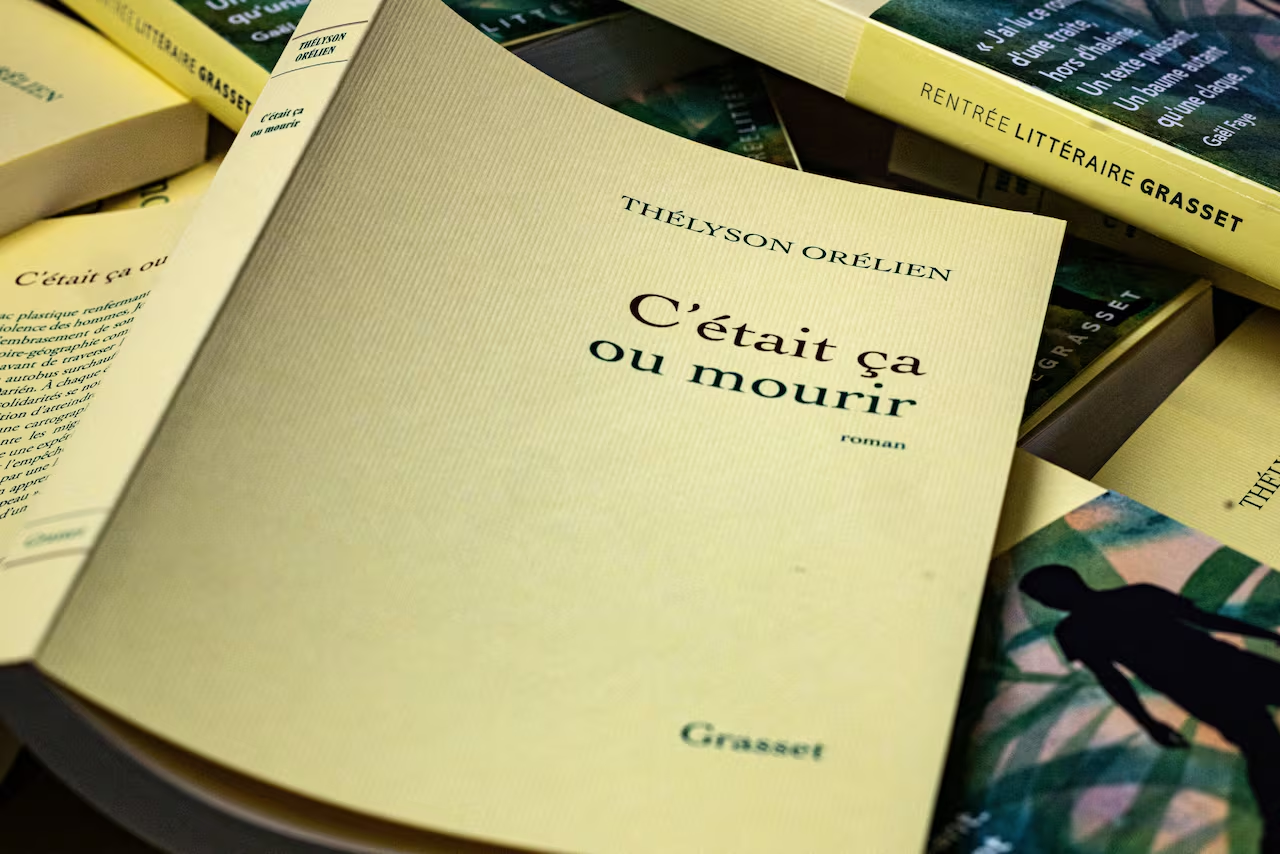
"It is slander and heresy," he wrote in a statement distributed Tuesday by his Quebec publishing house, Éditions du Boréal. C'était ça ou mourrir, which translates to "It was either that or die," tells the story of a Haitian migrant who leaves his home for Canada, much like Orélien did following the 2010 earthquake.
《C'était ça ou mourrir》——意为“要么这样,要么死”——讲述了一名海地移民离开家园前往加拿大的故事,这与奥雷利安在2010年地震后的经历相似。
The novel was lauded by many in the French-language literary world until an anonymous X account ran excerpts through an AI detection tool and publicly shared those screengrabs on Sept. 21 — the same day the novel won the Prix du roman Fnac.
这部小说曾受到法语文学界许多人的赞誉,直到一个匿名X账号在9月21日将节选内容输入AI检测工具,并公开分享了截图——正是当天这部小说赢得了Fnac小说奖。
According to the tool Pangram, the novel was "100 per cent" the work of generative AI.
根据Pangram工具的检测结果,这部小说“100%”是生成式人工智能的产物。
In Tuesday's statement, Orélien says he used AI tools "here and there" for research, particularly when it comes to foreign idioms, but he says the text, structure and plot all come "straight from my gut."
在周二的声明中,奥雷利安表示,他在研究过程中“零星地”使用了AI工具,尤其是在处理外来习语时,但他坚称文本、结构和情节“完全源于我的直觉”。他表示,过去几周来,他一直遭受媒体的“私刑”以及种族骚扰,这让他难以承受。“我正在经历的经历是残酷的。”他在法语声明中写道。
He says for the past few weeks, he's been subject to a "lynching" through the media and racist harassment, which he says has been unbearable. "The experience I am going through is cruel," he wrote in French. "By attributing to a machine a text that is mine, that belongs to all my people, they have challenged not only my status as a writer but my humanity."
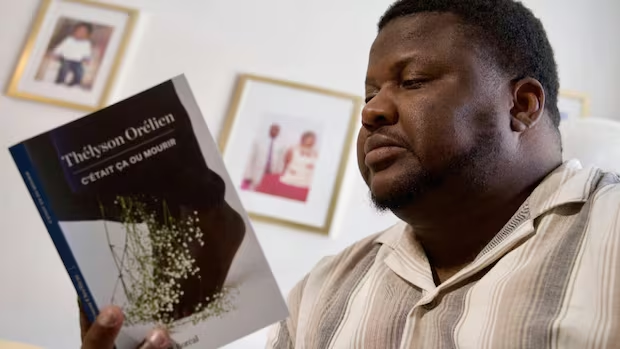
“他们把一篇属于我的、属于我全民族的文本归因于机器,这不仅质疑了我作为作家的身份,更质疑了我的人性。”获奖魁北克作家被指控使用AI撰写畅销书 9月25日 时长在声明中,他还似乎质疑那些长期因Pangram在检测AI方面的可靠性和准确性而受到赞誉的专家。
Award-winning Quebec author accused of using AI for bestselling book September 25 Duration In his statement, he also seemingly discredits the experts who have largely praised Pangram for its reliability and accuracy in detecting AI. As the debate around the tool and Orélien's writing swirled, the author was accused of plagiarism for various columns dating back to 2012 for newspapers like La Presse.
随着围绕该工具和奥雷利安作品的争议不断升温,他被指控在2012年至今为《La Presse》等报纸撰写的多篇专栏涉嫌抄袭。这些指控成为不同文学节和奖项(如龚古尔奖)与他划清界限的导火索。
Those accusations became the clincher for different literary festivals and prizes, like the Prix Goncourt which then distanced themselves from Orélien. French columnist Samuel Fitoussi has since come out as one of five people behind the X account that made the initial allegation.
法国专栏作家塞缪尔·菲图西随后成为五人之一,他们是最初提出指控的X账号背后的人。
Was this award-winning book written by AI?
这本获奖书籍是否由AI撰写?丑闻加深了文学界的怀疑 作者称其抄袭是“青春的轻率行为” 关于抄袭指控,奥雷利恩承认他在早期的一些作品中存在抄袭,并在周二表示这些是他年轻时“不可接受”的错误。
Scandal deepens skepticism in literary world Author calls his plagiarism a 'youthful indiscretion' Where the allegations of plagiarism are concerned, Orélien admitted to it in some of his earlier work, saying on Tuesday they were "unacceptable" mistakes from his youth. An avid reader, he says he was in a "hurry" to write after leaving Haiti.
作为一个热爱阅读的人,他说他在离开海地后一直“匆忙”地写作。他说,有些作者的风格深深吸引了他。
There were authors whose style captivated him, he says. "I admired rhythms, ways of phrasing sentences that would stay in my head for days," he said.
“我欣赏那些节奏、句子表达方式,它们会在我脑中停留几天,”他说。“但欣赏并不赋予我权利去拿走 — — 声称是我自己的 — — 不是我自己的文本。”奥雷利恩表示,他现在要求《C'était ça ou mourrir》根据其本身来评判,称这本书受到他自身生活经历以及多年来与移民交谈的启发。
"But admiration did not give me the right to take — to claim as my own — texts that were not mine." Orélien says he's now asking that C'était ça ou mourrir be judged for what it is, saying it was inspired by his own lived experience and conversations he's had with migrants over the years. "A youthful indiscretion cannot serve as evidence against a novel begun in 2017 that was finally published in 2026," he said.
“青春的轻率行为不能作为对一部始于2017年、终于2026年出版的小说的证据,”他说。
"I didn't write this book to win awards or to become famous.
“我写这本书不是为了获奖或成名。我无需向指控我的人证明什么。” 加拿大网站下架疑似虚假AI生成人物撰写的文章 奥雷利恩在此次丑闻爆发时正在法国进行宣传巡演,媒体报道称他此后已返回魁北克。
I have nothing to prove to the people who accuse me." Canadian websites take down articles written by suspected fake, AI-generated persona Orélien was in the midst of a press tour in France when the scandal broke, and media outlets are reporting he has since returned to Quebec.
博雷尔出版社表示,作者目前不会就此事发表进一步评论,也不会接受任何采访。
Éditions du Boréal says the author won't comment further on the matter and will not be doing any interviews, for now.
《C'était ça ou mourrir》仍然在角逐雷诺多奖,该奖被视为仅次于龚古尔奖的第二重要法国文学奖项,同时也在角逐多拉门文学奖和梅迪奇奖。
C'était ça ou mourrir is still in the running for the Prix Renaudot, considered the second most prestigious French literary award after the Prix Goncourt, as well as the Prix littéraire de la Porte Dorée and the Prix Médicis.