癌症的发生似乎往往具有随机性,但实际上它通常是多种因素共同作用的结果。这些因素包括:长期暴露在阳光下、环境污染以及各种其他导致DNA损伤的因素所引发的基因突变;同时,个人的遗传倾向也会影响癌症的发生风险。随着时间的推移,DNA损伤会逐渐削弱人体抑制细胞异常生长的能力,从而导致肿瘤的形成。
Cancer can seem random. It’s often the result of many factors, including genetic mutations that build up over a lifetime of exposure to sun, pollution, and other sources of DNA damage, combined with a person’s genetic predisposition. DNA damage accumulated over time can weaken the body’s ability to suppress out-of-control cell growth, which is how tumors form.
然而,感染也是癌症的重要诱因之一。揭示某些感染与癌症之间的关联为人们带来了希望——通过预防感染,或许可以降低某些类型癌症的发病率。世界卫生组织国际癌症研究机构(IARC)最近发布在《柳叶刀·肿瘤学》(Lancet Oncology)上的报告指出:2024年(该报告所统计的最新年份)新发癌症病例中有12%是由12种特定感染引起的。哪些感染与癌症有关呢?
But infections are another significant cause of cancer. Uncovering the links between certain infections and cancers raises the hope that by preventing infection, one could prevent certain malignancies. A recent report from the World Health Organization’s International Agency for Research on Cancer (IARC) published in the Lancet Oncology found that 12% of new cancer cases in 2024—the most recent year for which data were available—were caused by 12 infections. Which infections are associated with cancer?
根据该报告的作者、IARC的流行病学家哈丽特·拉姆盖(Harriet Rumgay)的说法,某些人类乳头瘤病毒(HPV)是导致大多数宫颈癌以及多种头颈部癌症的罪魁祸首。2024年新诊断出的癌症病例中,约有4%与HPV感染有关。医生和研究人员早已知道,乙型肝炎(hepatitis B)和丙型肝炎(hepatitis C)感染也会引发许多肝癌病例;其中,乙型肝炎感染导致了约2%的新发肝癌病例,而丙型肝炎感染导致的病例比例则低于1%。
Certain human papillomaviruses, or HPV, are behind the majority of cervical cancers and a number of head and neck cancers as well, says Harriet Rumgay, an epidemiologist at IARC who is an author of the new report. About 4% of new cancer diagnoses in 2024 could be attributed to HPV infection. Doctors and researchers have known for decades that hepatitis B and hepatitis C infections also drive many cases of liver cancer, linked to 2% and less than 1% of new diagnoses respectively, according to the report.
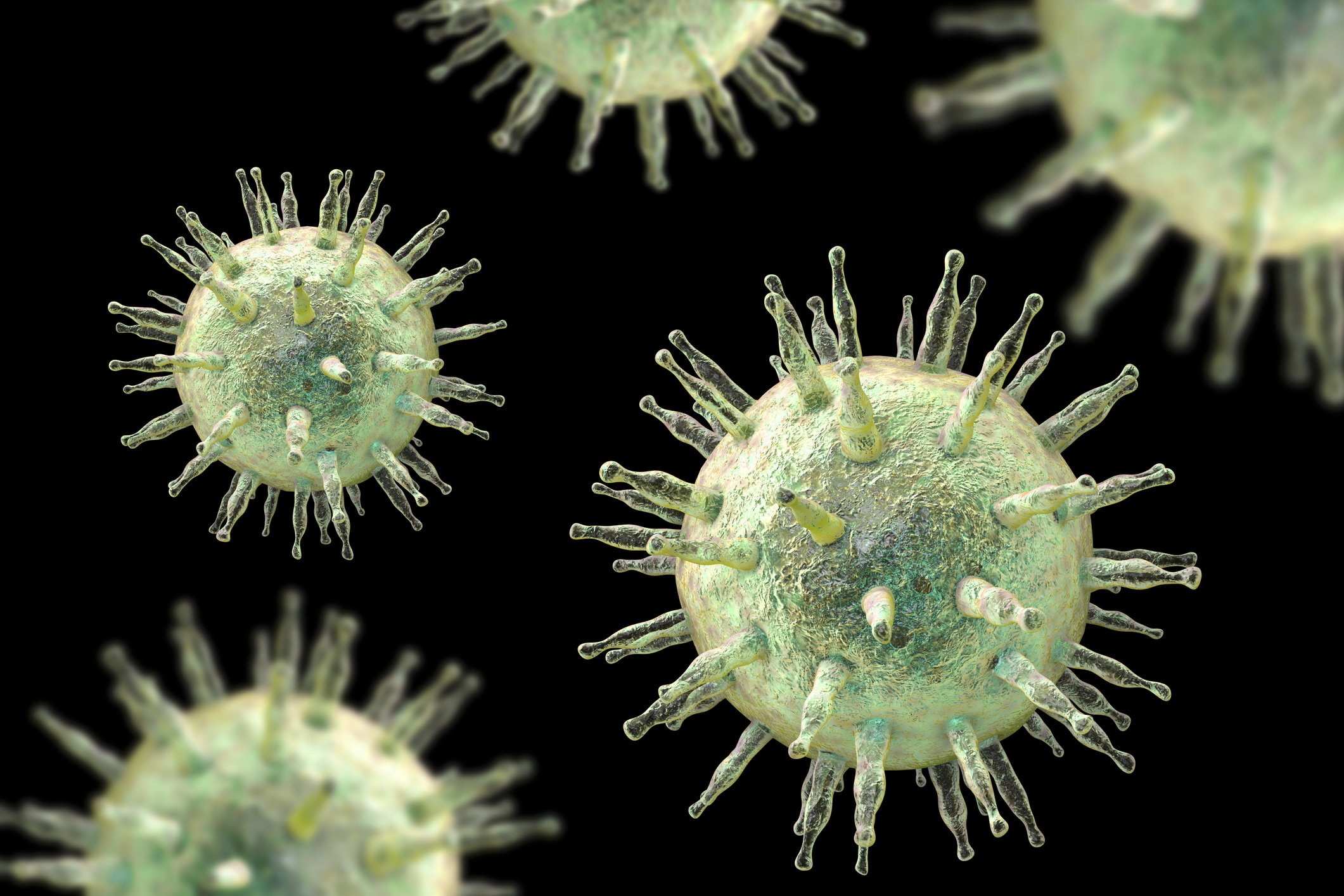
另有强有力的证据表明,幽门螺杆菌(Helicobacter pylori)这种感染胃和小肠的细菌与胃癌的发生密切相关;据估计,这种细菌导致了约4%的新发胃癌病例。此外,爱泼斯坦-巴尔病毒(Epstein-Barr Virus,EBV)虽然会引起单核细胞增多症,并且全球超过90%的人口都携带这种病毒,但它也与大约1%的新发癌症病例有关,这些癌症包括淋巴瘤、鼻咽癌和胃癌。研究中还发现,包括HIV在内的另外7种感染也被列为致癌因素。
There is also strong evidence linking Helicobacter pylori, a bacterium that infects the stomach and small intestine, with gastric cancers. This infection was calculated to be behind about 4% of new diagnoses. And Epstein-Barr Virus (EBV), which causes mononucleosis and affects more than 90% of the world’s population, was involved in around 1% of new diagnoses, including lymphomas, nasopharyngeal cancers, and gastric cancers. Seven other infections, including HIV, were also flagged as carcinogens in the study.
大多数感染这些病原体的人不会发展成癌症。这也不是立即发生的——可能会有数年的延迟。而且感染往往只是导致某种癌症的众多因素之一。例如,在中国,EBV驱动的鼻咽癌发病率相对较高,研究人员认为,除了病毒本身之外,一些遗传易感性和环境因素也可能起作用。为什么有些感染会导致癌症?
Most people who have these infections will not develop cancer. It’s not also immediate—there may be a years-long delay. And infection is often only one of a number of factors contributing to a given cancer. For instance, when it comes to the relatively high rates of EBV-driven nasopharyngeal cancers in China, researchers believe that some genetic predisposition and environmental factors are also involved. Why do some infections cause cancer?
这取决于具体的感染类型。以HIV为例,这种病毒会抑制免疫系统,使其他致癌病毒更容易复制。幽门螺杆菌会造成组织损伤并产生毒素,这些毒素会破坏身体对细胞生长和分裂的自然控制,从而可能导致癌症。
It depends on the infection. In the case of HIV, the virus suppresses the immune system, making it easier for other carcinogenic viruses to replicate. H. pylori causes tissue damage and produces toxins that destabilize the body’s natural control of cellular growth and division, which can lead to cancer.
至于EBV,英国伯明翰大学的病毒学家克莱尔·香农-洛(Claire Shannon-Lowe)表示,她研究EBV和癌症但未参与此项研究,这与病毒如何隐藏在称为B细胞的免疫细胞内有关。“病毒本身在做很多事情,使B细胞持续增殖,”她说。这包括阻断正常的细胞清理过程——这些过程本来既能清除病毒,又能阻止癌症的发展。这些癌症如何预防?
With EBV, says Claire Shannon-Lowe, a virologist at the University of Birmingham in the U.K. who studies EBV and cancer but was not involved in the research, it has to do with how the virus hides within immune cells called B cells. “It's a whole host of things that the virus itself is doing to the B cell to make it continually grow,” she says. That includes blocking normal cellular housecleaning procedures that would both root the virus out and arrest cancer development. How can these cancers be prevented?
一些感染是可以治疗的。例如,幽门螺杆菌可以通过抗生素清除,从而降低胃癌的风险;治疗HIV也能降低由此感染导致的癌症风险。名单上的其他一些感染有疫苗可用。
Some of these infections have treatments. H. pylori can be cleared with antibiotics, for example, reducing the risk of gastric cancer, and treating HIV reduces cancer risk from the infection as well. Some other infections on the list have vaccines.
事实上,这些疫苗中的一些的研发主要目标就是预防癌症。“乙肝病毒疫苗是首个针对癌症研发的疫苗,”拉姆盖说。同样,20年前获批准的HPV疫苗旨在预防宫颈癌。拉姆盖表示,癌症流行病学家可能在未来的分析中开始看到广泛接种HPV疫苗的效果。“越来越多接种疫苗的人开始达到我们可能看到其对宫颈癌发病率或其他癌症发病率影响的年龄,”她说。
In fact, for some of these vaccines, cancer prevention was a major goal driving their development. “The hepatitis B virus vaccine was the first vaccine that was developed against cancer,” says Rumgay. Likewise, the HPV vaccine, which was approved 20 years ago, is intended to prevent cervical cancer. Cancer epidemiologists may start seeing the effects of widespread HPV vaccination in future analyses, Rumgay says. “More and more people who have been vaccinated are starting to reach the age where we would potentially see the impact on cervical cancer rates or other cancer rates,” she says.
然而,这些疫苗并未惠及所有可能受益的人群。在美国,新生儿乙肝疫苗接种率在过去两年里急剧下降。
However, these vaccines aren’t making it to everyone who might benefit from them. In the U.S., hepatitis B vaccination rates in newborns have declined steeply over the last two years.
对于其他感染,尚无疫苗可用。EBV是一种几乎无处不在的病毒,有着长期且有明确记录的致癌史。“我们目前还没有有效的疫苗,也没有有效的预防方法,”拉姆盖说。“这是我们希望通过研究凸显的问题。”历史上,制药公司对针对EBV等常见且非致命病毒的疫苗兴趣不大,英国华威大学分子肿瘤学名誉教授、病毒学家劳伦斯·杨表示,他一生致力于癌症和EBV的研究。
For other infections, no vaccines are available. For EBV, a nearly ubiquitous virus with a long, clearly documented history of contributing to cancer, “we don't have an effective vaccine yet, or an effective way of preventing it,” says Rumgay. “This is something that we want to highlight with our study.”Historically, it was difficult to interest pharmaceutical companies in vaccines for viruses like EBV that are common and nonlethal, says Lawrence Young, a virologist and emeritus professor of molecular oncology at University of Warwick in the U.K. who has spent his career studying cancer and EBV. (Young was not involved in the IARC research.)
(杨未参与IARC的研究。)但部分研究表明EBV可能与多发性硬化症——一种自身免疫性疾病——相关,这引起了他们的广泛关注。“他们都变得非常感兴趣了,”他说。目前多种疫苗候选者正在接受研究,其中一些已进入临床试验阶段。
But thanks in part to research suggesting EBV might be involved in multiple sclerosis, an autoimmune disorder, “they've all become very interested,” he says. A number of vaccine candidates are now being studied, with some in clinical trials.
对于最新研究所关联的一些感染——特别是与卡波西肉瘤相关的疱疹病毒——拉姆盖表示,亟需开展更多预防方面的研究。“我们希望这些新发现能够刺激该领域的更多研发,”她说。
For some of the infections implicated by the latest study—the Kaposi-sarcoma associated herpes virus, in particular—there’s need for much more research into prevention, says Rumgay. The hope is that “these new findings might stimulate more development in that area,” she says.