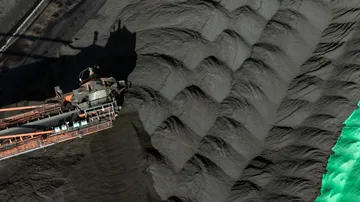
亚洲热煤价格因电厂为冬季囤积燃料而飙升至两年高点,使得本已因需求上升以及从中国到印尼的供应中断而紧张的市场进一步收紧。
Asian thermal coal prices have surged to a two-year high as power plants stockpile fuel for winter, tightening a market already strained by elevated demand and supply disruptions from China to Indonesia.
煤作为最肮脏的化石燃料,一直是削减产量和使用的主要目标,但这些努力正因与能源安全相关的需求增长而受阻。国际能源署原本预计全球消费量今年将下降,但因伊朗战争导致油气价格飙升,电力行业对煤的依赖加剧,该机构已将预测调整为预测全球消费量将增长1.2%,达到历史最高水平。
Coal’s status as the dirtiest fossil fuel has made it a prime target for cuts to output and usage, but those efforts are being thwarted by growing demand linked to energy security. After expecting global consumption to fall this year, the International Energy Agency flipped to forecasting a 1.2% increase to record levels, as the Iran war sent oil and gas prices skyrocketing and raised the power sector’s dependence on coal.
摩根士丹利分析师(包括艾米·戈尔)在上周的一份研究报告中表示,今年中东能源危机使得“热煤需求的长期前景更具韧性”,该行同时将纽卡斯尔出口价格(亚洲基准)的长期前景上调4%,至每吨125美元。
This year’s Middle East energy crisis has made “the long-term outlook for thermal coal demand more resilient,” Morgan Stanley analysts including Amy Gower said in a research note last week, where the bank raised its long-term outlook for Newcastle export prices, an Asian benchmark, by 4% to $125 a ton.
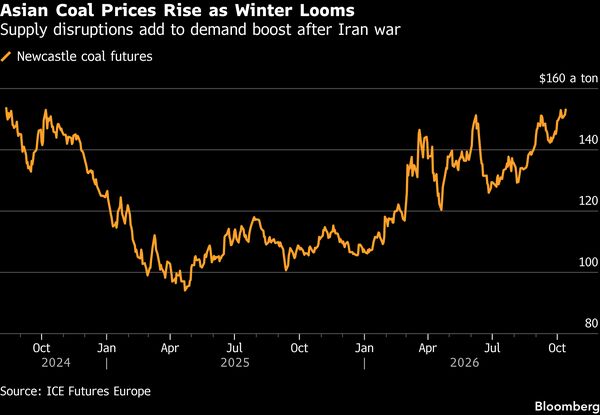
纽卡斯尔煤炭期货今年已上涨逾40%,周二收盘价达到自2024年8月以来的最高水平。伊朗战争促使亚洲买家转向购买更便宜的煤炭以替代价格更高的天然气,而为保障供暖燃料的需求进一步放大了这一趋势。印度的天气已经造成影响,干旱和炙热的气温削减了水电供应——水电是煤炭的另一种替代能源——同时也推高了空调需求。
Newcastle coal futures have risen over 40% this year, and on Tuesday closed at the highest since August 2024. The war in Iran has prompted Asian buyers to switch from pricier gas, and demand is now being amplified by the need to secure fuel for heating. The weather has already taken its toll in India, where drought and scorching temperatures have curbed hydropower, another substitute for coal, while raising demand for air-conditioning.
油价飙升导致用于驱动矿井设备的柴油成本创历史新高,这迫使矿商随之提高自身价格。但与此同时,煤炭也得以在一些传统上使用原油作为原料的行业(如化工)中替代石油。
The spike in oil has fed through to record costs for the diesel that powers equipment at pits, which has forced miners in turn to hike their own prices. But it has also allowed coal to replace oil in industries like chemicals that have typically used crude as a feedstock.
与此同时,关键供应商的产出受到限制。中国最大的采矿地区在5月发生致命事故后,因展开一轮安全检查,产量大幅下降。印度尼西亚作为全球最大的出口国,正面临政府生产配额以及干旱对连接矿场与港口的驳船交通的影响。
At the same time, output has been constrained in key suppliers. The top mining region in China saw production drop dramatically after a deadly accident in May set off a round of safety inspections. Indonesia, the biggest exporter, is contending with government production quotas and the impact of drought on the barge traffic that links mines to ports.
中国是全球煤炭开采和燃烧量的一半所在国,随着国内产量在截至8月的一年内下降超过3%,本周热煤价格升至三年高点。尽管考虑到该国可再生能源的突飞猛进发展,这目前不是主要问题,但冬季煤炭使用量的增加仍可能使价格保持上升趋势。
In China, which mines and burns half the world’s coal, thermal prices climbed to a three-year high this week after domestic output fell more than 3% in the year through August. While that’s less of an issue these days, given the country’s breakneck adoption of renewable energy, rising coal use over the winter is still likely to keep prices on an upward trajectory.
伍德麦肯兹公司研究分析师李航宇表示:“我们预计,在暂停约四个月后,将有更多矿井逐步获得重启批准,但短期内产量快速反弹的可能性不大。”
“We expect more mines to gradually win approval to restart after about four months of suspension, but a quick rebound on production in the near-term is unlikely,” said Hangyu Li, research analyst at Wood Mackenzie Ltd.
中国钢铁厂使用的焦煤市场在山西灾难后也面临类似挑战。进口需求上升,大连期货价格接近两年高点,尽管由于钢铁利润下降限制了行业对更高原材料成本的承受能力,价格可能在此处有所回落。
The market for coking coal used by Chinese steel mills faces similar challenges after the Shanxi disaster. Import demand has risen and Dalian futures are near two-year highs, although prices could ease from here as a collapse in steelmaking profits limits the industry’s appetite for higher raw material costs.
在全球第二大煤炭消费国印度,由于炎热的夏季天气,燃煤电厂已经消耗了大部分库存。与此同时,自2015年以来最弱的季风未能补充水库,反而增加了农业灌溉的需求。
In No. 2 consumer India, coal-fired power stations have burned through much of their inventories after the hot summer weather. At the same time, the weakest monsoon since 2015 has failed to replenish reservoirs and buoyed demand for farm irrigation.
非计划性停电已经开始,这可能促使煤炭买家尽管价格高昂,也更积极地抢购外国货物。
Unscheduled power cuts have already begun, which could prompt coal buyers to become more aggressive in snapping up foreign cargoes despite high prices.
前财政和能源部门高级官员苏巴斯·钱德拉·加尔格表示:“除了这种方式之外别无选择。”政府监测的近一半电厂库存低于其应持有量的四分之一,使其处于“临界”状态。
“There’s no way other than that,” said Subhash Chandra Garg, a former top bureaucrat at the finance and power ministries. Almost half of the power stations monitored by the government have less than a quarter of the inventories they’re required to hold, putting them in the ‘critical’ category.
与此同时,主要供应国印度尼西亚一直难以获利。根据研究公司DBX商品的数据,其出口量在9月降至五年来的最低水平。虽然政府已经撤回了部分之前的减产措施,但矿商需要时间才能再次提升产量。
Top supplier Indonesia, meanwhile, has struggled to profit. Exports fell to a five-year low in September, according to research firm DBX Commodities. And while the government has rowed back on some of its earlier output cuts, it’ll take time for miners to ramp up production again.
煤价的未来走势很大程度上取决于天气。亚洲大部分地区预计将出现相对温和的冬季,这一现象与今年超强的厄尔尼诺现象有关——这种天气模式可能导致季风减弱和气温升高。
Where coal prices go from here very much depends on the weather. Forecasts of a relatively milder winter in much of Asia have been linked to this year’s supercharged El Niño, a weather pattern that can cause weaker monsoons and warmer temperatures.
根据欧洲中期天气预报中心的预测,中国大部分地区的冬季平均气温预计将比常年偏高0.5摄氏度至1摄氏度。日本和韩国的这一幅度预计将达到1摄氏度至2摄氏度。最暖和的天气将出现在东南亚大陆地区,越南大部分地区和泰国北部预计平均气温将比常年高出2摄氏度或更多。
Much of China is forecast to see average winter temperatures of 0.5C to 1C above normal, according to the European Centre for Medium-Range Weather Forecasts. That rises to 1C to 2C for Japan and South Korea. The warmest weather is reserved for mainland Southeast Asia, where much of Vietnam and northern Thailand are expected to average 2C or more above normal.