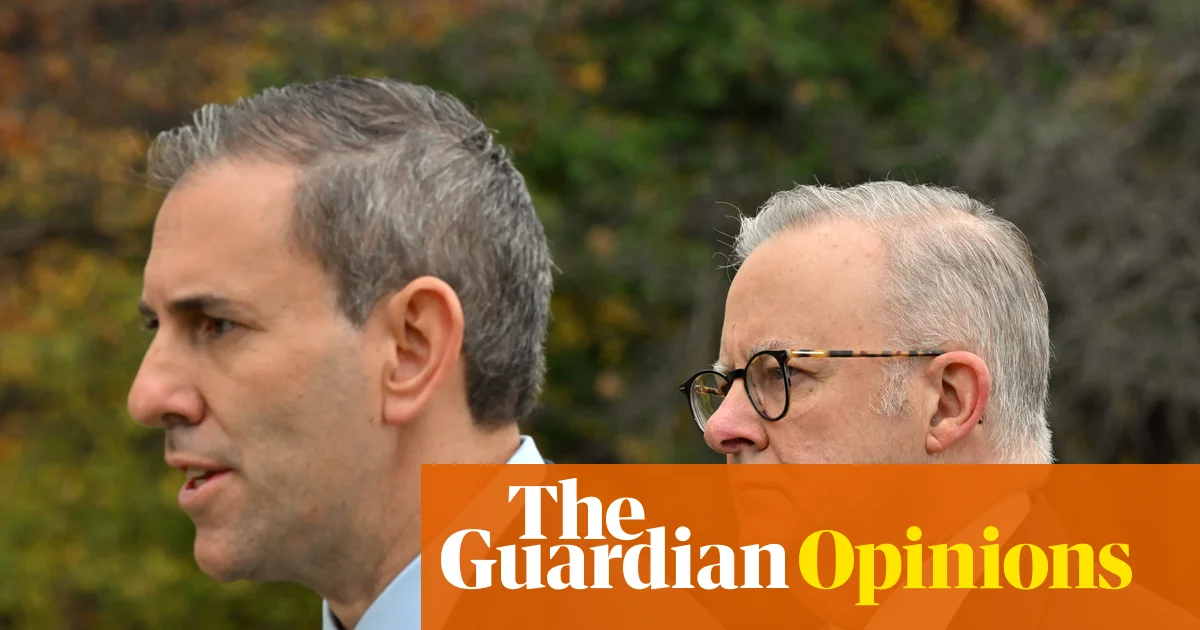
吉姆·查尔默斯和安东尼·阿尔巴尼塞。格雷格·杰里科写道,阿尔巴尼塞政府将“感谢国际货币基金组织确认,政府降低通胀的最佳方式是降低能源和汽油等物品的价格”。
Jim Chalmers and Anthony Albanese. Greg Jericho writes Albanese’s government will ‘thank the IMF for confirming that the best way for a government to lower inflation is to lower prices of things such as energy and petrol’.
摄影:米克·蒂卡斯/AAP 格雷格·杰里科 国际货币基金组织周二发布了其最新的《世界经济展望》,报告标题为《在压力下的韧性,紧急选择》 但这些选择是一个希望赢得选举的政府可能会忽视的选择。
Photograph: Mick Tsikas/AAP Greg Jericho he IMF on Tuesday released its latest World Economic Outlook, suggesting“Resilience Under Strain, Urgent Choices” But the choices are ones a government wishing to win an election would likely ignore.
国际货币基金组织一贯认为需要削减开支和降低税收。鉴于其向严重负债国家提供贷款的历史,这并不令人惊讶;即使其所规定的紧缩政策毁掉了人们的生活,国际货币基金组织也非常符合玛格丽特·撒切尔的模式——“药方虽苦,但患者需要它”。这一点很重要,因为正是基于它认为的“紧急选择”。
The IMF, as a rule, always sees a need to cut spending and lower taxes. Given its history of lending money to countries in severe debt, that’s no shock, and, even if the austerity it prescribed ruined lives, the IMF is very much in the Margaret Thatcher “the medicine is harsh but the patient requires it” mould. That’s important given what it thinks are “urgent choices”.

但首先,当我们查看其展望报告的标题时,我们总能感受到国际货币基金组织对世界的看法。一年前,其标题是《全球经济处于动荡之中,前景依然黯淡》,随后是《全球经济:在分歧力量中保持稳定》。正如我当时所指出的,这是一种非凡的方式来描述一个世界——当时唐纳德·特朗普正威胁格陵兰,并刚刚对委内瑞拉发动起义。
But first we always get a sense of how the IMF see the world when we look at the titles of its outlook. A year ago, it was Global Economy in Flux, Prospects Remain Dim followed by Global Economy: Steady amid Divergent Forces That, as I suggested at the time was an extraordinary way to describe a world where Donald Trump was threatening Greenland and had just launched an insurgency into Venezuela. Since then, of course, there has been nothing “steady”, and the IMF outlooks went from Global Economy in the Shadow of War Global Economy in Crosscurrents of War and Technology Now apparently all is resilient despite the strain.
此后,显然没有什么是“稳定”的,国际货币基金组织的展望从《全球经济:战争的阴影》转变为《全球经济:战争与技术的交叉流动》。如今看来,尽管承受压力,一切似乎都具有韧性。
For Australia the update slightly downgrades forecasts for economic growth over the next couple years. The big downgrades, though, came last October, before the US and Israel’s war on Iran:
对于澳大利亚而言,此次更新略微下调了未来几年经济增长的预测。不过,较大的下调其实发生在去年10月,就在美国和以色列对伊朗发动战争之前:如果此图表未显示,请点击此处 自4月以来的下调均属于误差范围内的波动。
Click here if this graph does not display The downgrades since April are all margin of error stuff. The forecast for economic growth this year has Australia in the top half of the advanced nations of the OECD, and only behind the US among the G7 nations:
今年经济增长的预测显示,澳大利亚在经合组织发达国家中位居前半部分,仅次于美国,在七国集团中排名第二。
Similarly, the forecast for inflation is not much changed from April – up a bit, but the IMF still thinks inflation will be below 3% by next year:
同样,通胀预测与4月份相比变化不大——略有上升,但IMF仍认为明年通胀将低于3%:有报道称,这将意味着澳大利亚的通胀率将在明年成为经合组织国家中最高的之一。但老实说,只要通胀率在2%至3%之间,争论谁的通胀率最低其实毫无意义。
There has been a report that this will mean Australia’s inflation is among the highest across the OECD next year. But, to be honest, so long at it is between 2% and 3%, arguing over who has the lowest is pretty silly.
此外,澳大利亚预计将看到失业率上升,幅度高于大多数经合组织经济体,但其失业率仍将低于七国集团中的三个国家。
And yes, Australia is expected to see its unemployment rise by more than most OECD economies but it will remain lower here than three of the G7.
我也很乐意接受IMF对2026年失业率的预测为4.4%,明年为4.7%,鉴于目前(至少到周四为止)失业率为4.6%。
I also would happily take the IMF’s prediction for unemployment in 2026 of 4.4% and 4.7% next year, given currently (at least until Thursday) it is 4.6%.
在未来五年(届时预测变得非常不可靠),IMF预测增长将相当疲软,通胀将处于目标区间内,失业率不会超过4.8%。这真的那么糟糕吗?我更希望失业率接近4%,但鉴于目前经济的动荡,通胀稳定低于3%且失业率低于4.8%已经是一个相当不错的组合了。
Over the next five years (at which point predictions get very ropey) the IMF sees pretty weak growth, inflation within the target range and unemployment not going above 4.8% Would that be so bad? I’d prefer unemployment closer to 4% but, right now, given the ructions in the economy, steady inflation below 3% and unemployment lower than 4.8% is a pretty nice combination. These things never come true though (see above), so perhaps more relevant are the “urgent choices” that the IMF thinks needs to be made.
不过这些预测从来不会完全实现(见上文),因此也许更相关的是IMF认为需要紧急作出的“选择”。
One chapter of the outlook examines how governments respond to cost of living shocks such as the US-Israel war on Iran or Russia’s invasion of Ukraine.
展望报告的一章探讨了政府如何应对生活成本冲击,例如美国-以色列对伊朗的战争或俄罗斯对乌克兰的入侵。
It notes government can either provide income support to (mostly) low-income households or it can suppress prices by, for example, cutting the fuel excise or subsidising energy costs (two policies the Albanese government undertook).
报告指出,政府既可以向(主要是)低收入家庭提供收入支持,也可以通过例如削减燃油税或补贴能源成本来抑制价格(这是阿尔巴尼斯政府曾实施的两项政策)。
The IMF found that (and prepare to be shocked) price-suppressing policies suppressed prices and thus lowered current inflation and also the inflationary expectations of the following year.
IMF发现(且请做好惊讶的准备),抑制价格的政策确实压低了价格,从而降低了当前通胀以及次年的通胀预期。
By contrast, providing households with income support raised consumption by more (again not a shock) but it actually raised inflation not only in the current year but the expectation for inflation in the following year:
相比之下,向家庭提供收入支持提高了消费(这一点也不令人惊讶),但它实际上不仅在当年提高了通胀,还提升了次年的通胀预期:现在你可能会认为,如果你想降低通胀负担,最好的政策就是压制物价并实际降低通胀,这显而易见。但事实并非如此。
Now you might think that makes it obvious that if you want to lower the burden of inflation the best policy is to suppress prices and actually lower inflation. But no.
国际货币基金组织表示,这些数据表明,“在生活成本危机期间,政府应保持价格信号,并主要依靠对最脆弱群体的临时性、有针对性的收入支持”。
The IMF says these figures show that “during cost-of-living crises, governments should preserve price signals and rely primarily on temporary, targeted income support for the most vulnerable”.
为什么?主要原因是价格压制成本更高,而国际货币基金组织反对政府支出——尤其是当它增加预算赤字时。
And why? Well mostly because price suppression costs more, and the IMF hates government spending – especially if it increases a budget deficit.
国际货币基金组织研究了欧洲国家在2020年至2023年期间采取的措施,发现收入支持对最底层20%的家庭帮助略大于价格压制——但其余80%的家庭则都变得更糟。
The IMF looked at measures by European countries in 2020 to 2023 and found income support helped the lowest 20% of households slightly more than price suppression – but the other 80% were all worse off.
我对国际货币基金组织不太担心高收入家庭的情况有些同情,但这忽视了一个事实:削减燃油税或补贴能源成本实际上会降低通胀,从而有助于保持利率较低。
I have some sympathy with the IMF not worrying too much about higher income households but this ignores the reality that cutting fuel excise or subsiding energy costs actually lowers inflation and thus helps keep interest rates lower.
有人真的认为,如果政府增加收入支持,从而导致通胀上升,澳大利亚储备银行去年还会维持利率不变吗?
Does anyone really think the RBA would have kept rates down last year if the government increased income support and, as a result, increased inflation?
国际货币基金组织不是一个需要担心选举或利率、通胀政治成本的机构。
The IMF is not a body that needs to worry about elections or the political cost of interest rates or inflation.
因此,其建议值得考虑,但我怀疑阿尔巴尼斯政府会看待这一发现并感谢国际货币基金组织的确认:政府降低通胀的最佳方式是降低能源和汽油等物品的价格,并在必要时再次这样做。
As such, its advice is nice to consider but I suspect the Albanese government will look at the finding and thank the IMF for confirming that the best way for a government to lower inflation is to lower prices of things such as energy and petrol, and to do so again if needed.
格雷格·杰里科是《卫报》专栏作家和澳大利亚研究所首席经济学家。
Greg Jericho is a Guardian columnist and chief economist at the Australia Institute