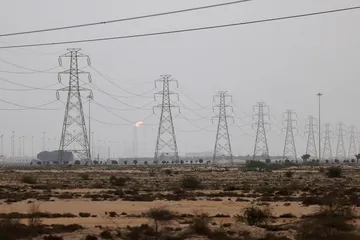
在一场给波斯湾带来剧烈动荡的战争爆发六个月后,卡塔尔发现自己陷入了困境。到8月下旬,在这海湾大油轮在霍尔木兹海峡外遭到导弹袭击后,这个天然气大国的有限出货量也几乎全面停摆。压力不仅来自极度渴求能源的客户,也来自一个建立在常规交付之上的国内经济。
Six months into a war that sowed upheaval in the Persian Gulf, Qatar found itself stuck. By late August, even limited shipments from the gas heavyweight had all but stopped following a projectile attack on one of its tankers outside the Strait of Hormuz. Pressure was growing, not only from energy-starved clients but also from inside an economy built on regular deliveries.
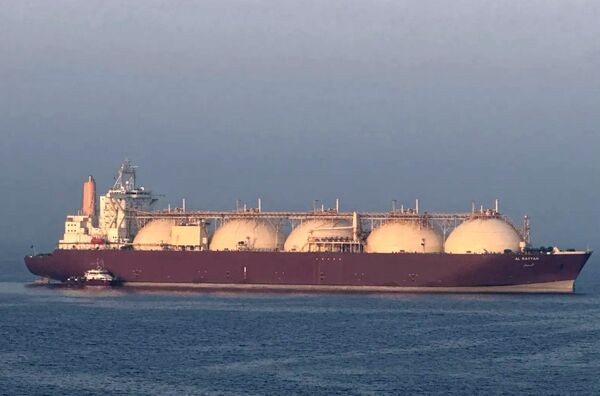
随后,卡塔尔能源公司的高级管理人员看到了一种潜在的解决方案——“赖扬”号(Al Rayyan),这是该船队中最旧的船只之一。
Then senior executives at QatarEnergy saw a potential fix — Al Rayyan, one of the oldest vessels in the fleet.
在距离该国海岸几小时航程的海湾平静水域中,“赖扬”号的船长在接到命令时已经闲置了好几天。在手握美国海军安全保证的情况下,他得到了放行许可,但被告知要悄悄起航,不开启雷达应答器或航行灯。作为一艘拥有29年历史的天然气油轮的掌舵人——在拥有世界上一些最昂贵船只的船队中,它堪称“老古董”——这位船长将测试一个至关重要的变通方案。
Out in the calm waters of the Gulf, a few hours from the country’s coast, Al Rayyan’s captain had been idling for days when the order came through. With security assurances from the US Navy in hand, he was given the green light, but was told to sail out quietly, without transponders or lights. At the helm of a 29-year-old gas tanker — a dinosaur in a flotilla that includes some of the most expensive vessels in the world — the shipmaster would be testing a vital workaround.
成功了。这艘油轮于9月10日悄然驶过,并驶向阿曼的苏哈尔港。几天后,它与另一艘卡塔尔控制的船只会合,那是2025年建造的现代化程度极高的运输船“马斯哈比耶”号(Al Mas’habiyyah)。这艘第二艘船随后将液化天然气货物运往最终目的地:中国。“赖扬”号随后穿过霍尔木兹海峡返航,准备装载下一批货物。
It worked. The tanker slipped through and headed toward the port of Sohar in Oman on Sept. 10. A few days later, it was met by another Qatar-controlled vessel, the Al Mas’habiyyah, a state-of-the-art carrier built in 2025. The second ship would now carry the cargo of liquefied natural gas on to its final destination: China. Al Rayyan headed back through Hormuz, for its next load.
彭博新闻社采访了20多位贸易商和官员,以拼凑出卡塔尔逐步恢复其主要液化天然气出口国地位的努力——在战争爆发之前,其地位仅次于美国——尽管这场动摇了该地区的美伊冲突何时能清晰结束仍遥遥无期。由于事态敏感,这些受访者要求匿名,他们的叙述让人得以一窥这个天然气大国如何开始适应一个新的、充满不确定性的现实。
Bloomberg News interviewed more than two dozen traders and officials to piece together Qatar’s efforts to steadily restore its position as a leading LNG exporter — until the war began, it was second only to the United States — even without a clear end in sight for the conflict between the US and Iran that has destabilized the region. Their accounts, provided under condition of anonymity given the sensitive nature of the issue, offer a glimpse into how a gas powerhouse has begun to adapt to a new and uncertain reality.
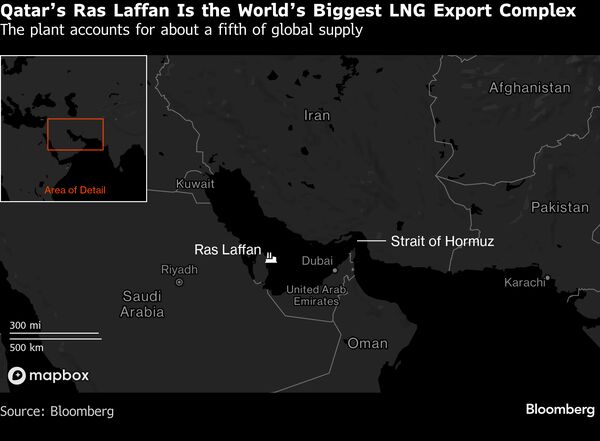
卡塔尔去年提供了全球近五分之一的液化天然气,因此受到交易商和竞争对手生产商的密切关注。持续复苏可能会在冬季临近、价格多年来最高的时候缓解市场压力。
Qatar provided nearly a fifth of global LNG last year and so is closely monitored by traders and rival producers. A sustained recovery could ease strain in the market at a time when winter is approaching and prices are at their highest in years.
“它必须在短期内进行适应。其整个模式基于通过海峡运输巨量货物,”托比·科普森说,他是总部位于中国的达文波特能源公司管理合伙人,该公司从事石油和天然气贸易。“如果卡塔尔能够建立更规律的出口路线,它将开始缓解全球液化天然气市场最大的限制之一。”卡塔尔能源公司未对彭博社的查询作出回应。
“It has to adapt in the near term. Its entire model is based on shipping huge volumes through the strait,” said Toby Copson, China-based managing partner at Davenport Energy, which trades oil and gas. “If Qatar can establish a more regular export route, it would start to ease one of the biggest constraints on the global LNG market.”QatarEnergy did not respond to Bloomberg queries.
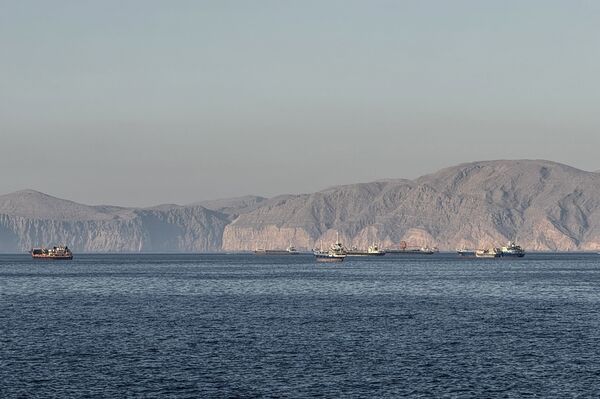
自美国与伊朗的冲突开始扰乱船运以来,海湾地区的所有能源生产商都被迫寻找新的方式,将燃料输送至亚洲和欧洲的客户。大型石油出口商和贸易商越来越多地转向穿梭运输,即让装满货物的“母船”穿越水道——这些船只通常较老,且不亮灯或不开启通常有助于导航的应答器——以便在阿曼湾等待的“女船”接货,随后将货物(通常为原油)运往任何目的地。
Since the US war with Iran began disrupting shipments, all energy producers in the Gulf have been forced to find new ways to get fuel to customers across Asia and Europe. Large oil exporters and traders have increasingly turned to shuttle runs, which send laden “mother” vessels through the waterway — often older vessels, traveling without lights or transponders that usually aid navigation — to be met by “daughter” vessels waiting in the Gulf of Oman, ready to take the cargo, typically crude, to any destination.
对于需要冷却至零下162摄氏度(-260华氏度)并加压的液化天然气而言,海上转运要困难且昂贵得多。其运输需要特殊的低温软管和受过训练的船员。但随着石油货运在夏季持续进行,熟悉公司战略的人士透露,围绕萨德·谢里达·阿尔-卡比(一位行业资深人士,担任卡塔尔能源部长兼卡塔尔能源公司首席执行官)的高管们日益担忧。他们看到,美国的天然气货物正在替代印度等主要客户的船运,而中国则正加大力度,努力摆脱对海湾地区的依赖。
Transfers at sea are far harder and costlier for LNG, a fuel that needs to be chilled to minus 162C (-260F) and pressurized. Moving it requires special, cryogenic hoses and trained crews. But with oil shipments flowing through the summer, executives around Saad Sherida Al-Kaabi, an industry veteran who serves as Qatar’s energy minister and QatarEnergy’s chief executive officer, were growing concerned, according to people with knowledge of the company’s strategy. They could see gas cargoes from the US replacing shipments for major clients like India, while China was stepping up efforts to diversify away from the Gulf.
卡塔尔的经济围绕液化天然气(LNG)构建,其需求十分紧迫。根据彭博社基于当前长期交付价格的计算,拉斯拉凡的运营每停运一周,就会给该国造成约10亿美元的销售额损失——对于一个规模达2000亿美元的经济体而言,这是一笔巨额损失。国际货币基金组织估计,卡塔尔今年可能遭遇15.6%的经济收缩。
With an economy built around LNG, Qatar’s needs are pressing. Every week that Ras Laffan’s operations are not exporting costs the country roughly $1 billion in lost sales, according to Bloomberg calculations based on current long-term deliver prices, a significant sum for a $200 billion economy. The International Monetary Fund estimates Qatar could suffer an contraction of 15.6% this year.
卡阿比的团队决定,别无选择,只能重启运货——尽管其他手段也将同时动用,包括扩大贸易业务,试图从阻碍该公司发展的同类混乱中获利。
There was no alternative but to restart shipments, Al-Kaabi’s team decided — though other levers would be pulled simultaneously, including an expansion of trading operations in an effort to profit from the same dislocation that was hobbling the company.
在“赖扬”号航行之后,通过霍尔木兹海峡的出口激增。根据船舶追踪数据和知情人士透露,在首次穿越海峡之后的四个星期里,大约有20艘载有卡塔尔液化天然气的油轮驶出霍尔木兹海峡,并在空载后全速返航。截至9月底,交付量接近战前水平的三分之一,这一速度甚至让客户措手不及。买家(尤其是印度的买家)在经历了最初几个月的困难之后,本已对卡塔尔的交付不抱希望,现在不得不仓促腾出空间以迎接货船抵港。
After Al Rayyan’s run, exports through Hormuz cranked up. Over the four weeks that followed the first crossing, roughly 20 tankers carrying Qatari LNG exited Hormuz, according to ship-tracking data and people familiar with the operations, racing back once empty. Deliveries approached a third of prewar levels by the end of September, a speed that caught even customers off guard. Buyers, particularly in India, had written off Qatari deliveries after the difficulties of the first months and now had to scramble to make room for arrivals.
埃克森美孚负责液化天然气的高级副总裁彼得·克拉克在9月份该国正加大货运量之际表示:“这绝对是全球能源安全的基石。”埃克森美孚持有拉斯拉凡出口工厂生产线股份。他在一个行业会议上表示,卡塔尔将“继续发挥非常重要的作用”。尽管如此,袭击并未停止——上周新一轮袭击目标是一艘与卡塔尔能源公司有关联的油轮——几乎每天都在考验该国的决心。
“It is absolutely a cornerstone for global energy security,” said Peter Clarke, senior vice president for LNG at ExxonMobil, which has a stake in the Ras Laffan export plant’s production trains, speaking in September around the time the country was ramping up its shipments. Qatar, he told an industry conference, would “continue to play a really important role.”Still, attacks have not stopped — a new wave last week targeted a tanker linked to QatarEnergy — testing the country’s resolve almost daily.
卡塔尔的恢复工作始于3月,也就是战争爆发的第一天以及庞大的拉斯拉凡综合设施遭到打击之后不久。导弹和无人机袭击迫使其三十年运营中首次中断供应,促使客户仓促寻找替代货源。
Qatar’s recovery effort began back in March, in the first days of the war and immediately after the vast Ras Laffan complex was struck. Missile and drone attacks forced the first interruption to supply in three decades of operation, pushing customers to scramble for replacements.
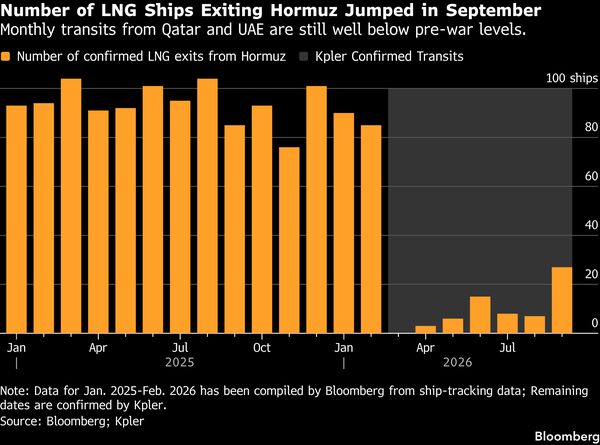
动荡给一个倾向于让买家(主要在亚洲和欧洲)签订具有严格条款和刚性定价的数十年长期合同的生产商带来了前所未有的威胁。卡塔尔的可靠性 — — 直至今年,它从未宣布不可抗力 — — 意味着它一直能够收取溢价。但今年4月至9月期间的出口量相比去年同期暴跌近90%。
The upheaval posed an unprecedented threat for a producer that preferred to lock buyers, mostly in Asia and Europe, into decades-long contracts with strict terms and rigid pricing. Qatar’s reliability — until this year, it had never declared force majeure — meant it had been able to command a premium. But exports for the period between April and the end of September plunged almost 90% compared to the same six months last year.
熟悉公司情况的人士称,从一开始,高层团队就深刻意识到这一挑战。卡比开始协调公司内部不同部门,同时加速推动在波斯湾以外地区进行天然气贸易和采购。与此同时,根据参与通话的人士透露,即使没有进展,合同经理也一直保持与客户的持续联系,以维系买家与可信赖的长期供应商之间的关系。
From the start, the senior team was all too aware of the challenge, according to people familiar with the company. Al-Kaabi began marshaling different segments of the company, all while accelerating efforts to trade and source gas far beyond the Persian Gulf. In the meantime, contract managers kept in constant touch with customers even when there were no updates, according to people involved in the calls, in an attempt to preserve the link between buyer and trusted long-term supplier.
计划的第一步是依托卡塔尔能源贸易公司。该公司成立于2020年,长期承担在现货市场买卖液化天然气并在境外建立供应头寸的任务。随着亚洲现货价格飙升,该部门开始加速采购美国液化天然气 — — 其目的不仅是替代失去的卡塔尔供应并维持交付,更是为了以盈利的价格卖给买家。
The first part of the plan was to lean on QatarEnergy Trading. Established in 2020, QET has long had a mandate to buy and sell LNG on the spot market and build supply positions outside the country. With prompt prices in Asia surging, the unit began accelerating purchases of American LNG — not simply to replace lost Qatari supply and keep up deliveries, but to sell to buyers at a profit.
孟加拉国自战争爆发以来一直面临能源短缺,是其中一家客户。该贸易部门与孟加拉国石油公司(Petrobangla)签有长期合同,同意交付货物以弥补拉斯拉法供应中断留下的缺口。根据安排,孟加拉国支付的价格略低于当前现货价 — — 该价格因战争而飙升至天价 — — 但这些货物的售价仍大约是其远低于现货价的长期合同价格的两倍。
Bangladesh, struggling with energy shortages since the war began, was one such client. The trading arm, which has a long-term contract with Petrobangla, agreed to deliver shipments to help fill the gap left by Ras Laffan. Under the arrangement, Bangladesh paid a small discount to prevailing spot prices — driven to sky-high levels by the war — but the cargoes still sold at roughly twice the price of its much cheaper long-term contract.
同样的对话正在欧洲和亚洲各地不断上演,QET四处搜寻供应并确保自身留在竞争格局之中——即便市场条件推高了价格。据一位熟悉其运营情况的人士透露,该部门今年有望处理超过1500万吨液化天然气。这只是全球最大液化天然气贸易商、同时也是卡塔尔雄心参照对象的壳牌公司去年处理的70多万吨(注:原文如此)的一小部分,但比该公司去年年中估计的每年处理100万吨是一个飞跃。
The same conversation is playing out across Europe and Asia, with QET hunting down supply and keeping itself in the equation — even if market conditions push prices higher. The unit is on track to handle more than 15 million tons of LNG this year, according to a person familiar with its operations. That’s a fraction of the more than 70 million handled last year by Shell Plc, the world’s biggest LNG trader and a benchmark for Qatar’s ambitions, but a jump from the annual 10 million tons the company estimated it was handling in the middle of last year.
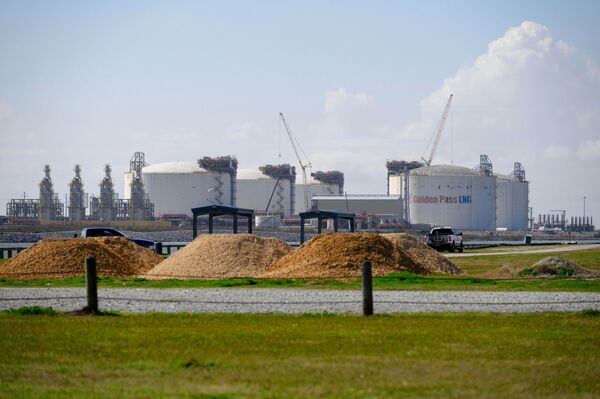
“卡塔尔能源公司具备成为贸易商的实力,”曾在Wideangle LNG担任高管、现为独立顾问的让-克里斯蒂安·海因茨表示,“他们拥有人才、财务声誉和基本逻辑——通过采购替代货量来缓解霍尔木兹海峡的影响。”知情人士称,卡塔尔能源公司正与路易斯安那州和得克萨斯州的出口项目进行深入谈判,以购买数百万吨、为期多年的液化天然气,从而扩大其供应资产组合。QET已经从主要由卡塔尔能源公司所有、于今年投入运营并一直在稳步提高产量的美国金山口设施采购天然气。
“QatarEnergy has what it takes to become a trader,” said Jean-Christian Heintz, a former trading executive who’s now an independent consultant at Wideangle LNG. “They have the talent, the financial reputation and the rationale — sourcing replacement volumes to mitigate Hormuz.”QatarEnergy is in advanced discussions with export projects in Louisiana and Texas to purchase millions of tons of LNG for years in order to expand its portfolio of supply, according to the people familiar with the matter. QET already sources gas from the US Golden Pass facility, primarily owned by QatarEnergy, which began operations this year and has been steadily ramping up output.
本周,该公司采取了一项罕见的举动,向孟加拉国提供了一项与其实际的“国际资产组合”而非仅仅是拉斯拉凡挂钩的长期液化天然气协议。
This week, in a rare move, it offered Bangladesh a long-term LNG deal tied to its “international portfolio” — and not simply Ras Laffan.
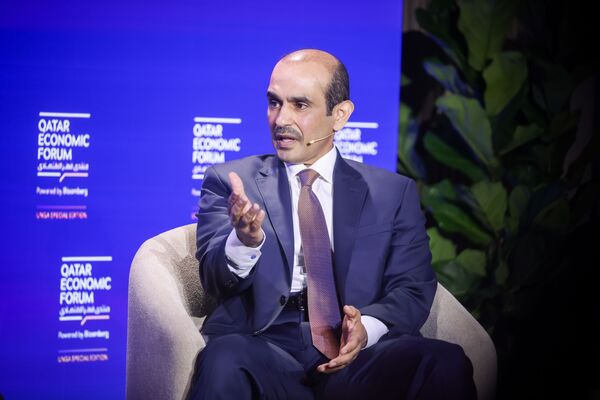
“我们正在建立我们的地位,”阿尔-卡比在9月于纽约举行的卡塔尔经济论坛上表示,阐述了公司的雄心勃勃目标。“在不久的将来,我们将远远成为世界上最大的液化天然气贸易商。”然而,首要目标仍然是出售卡塔尔自身的天然气。即使在最初的几个月里,公司也曾通过偶尔的航行试探水情 — — 直到7月一艘液化天然气油轮在穿越霍尔木兹海峡时遭到袭击。
“We are building our position,” Al-Kaabi told the Qatar Economic Forum in New York in September, laying out the company’s ambitious goals for itself. “In the very near future, we will be the largest LNG trader in the world by far.”The prime aim, however, was still to sell Qatar’s own gas. Even in the early months, the company had tested the water with occasional crossings — until the LNG tanker was attacked in July while traversing Hormuz.
发动机舱被击中并起火。阿尔-卡比将此事视为个人责任,暂停了增加出口和通过霍尔木兹海峡输送更多燃料的计划,知情人士透露。当月月底,另一艘装载卡塔尔天然气的油轮也遭到袭击。
The engine room was hit and caught fire. Al-Kaabi took the incident as his personal responsibility and suspended plans to increase exports and send more fuel through Hormuz, said people familiar with discussions at the time. Another tanker loaded with Qatari gas was struck at the end of that month.
但随着周数的推移,高管们看到邻近的石油生产国正通过霍尔木兹海峡运输货物,开始担心卡塔尔会被甩在后面。更糟的是,美国的供应量增加,正在取代一些主要客户(如印度)的货物,而最大买家中国也在加大努力,试图远离海湾地区实现多元化。
But as weeks passed, executives watched neighboring oil producers shipping cargoes through Hormuz, and began to worry that Qatar would be left behind. To make matters worse, increasing flows from the US were replacing shipments for some of its major clients like India, and top buyer China was stepping up efforts to try and diversify away from the Gulf.
储存也成为一个问题,因为该国试图让世界上最大的液化天然气出口厂保持运转状态,以便在霍尔木兹海峡周边局势稳定时能够快速扩产。其14条生产线中有2条在3月的袭击中受损,修复可能需要大约三年时间。但即便如此,仍有83%的运营产能可用于快速恢复生产。知情人士透露,卡塔尔能源公司已动员人员在几天内完成维修,在仍有碎片散落的受击设施周围航行进行作业。
Storage was also becoming a concern, as the country tried to keep the world’s largest LNG export plant in working order so that it could rapidly expand if the situation around Hormuz stabilized. Two of its 14 production trains were damaged by the March attack and could take about three years to fix. But that still left 83% of its operational capacity available to resume rapidly, and QatarEnergy had mobilized staff to make repairs within days, navigating around struck facilities with shrapnel still strewn about, according to people with knowledge of the situation.
为了确保霍尔木兹海峡重新开放后能够快速增产——液化天然气需要极低的温度,这使得重启过程缓慢——拉斯拉凡当时已经维持着刚刚好的产量,每个月向科威特运送货物,以使三到四条生产线能够以低负荷运转。但出口仍然需要回升,这意味着必须测试穿梭运输。
To ensure a rapid ramp-up once Hormuz reopened — LNG need for extremely low temperatures makes restarts slow — Ras Laffan was already producing just enough, sending cargoes to Kuwait every month to allow three to four production trains to keep running at low rates. But exports still needed to pick up, and that meant testing shuttle runs.
知情人士透露,第一步是开始召回在战争初期、当时穿行似乎不可能时租出去的船舶。根据规划知情人士的说法,名单上排在最前面的是那些车龄在15年及以上的船舶——与造价可能超过3亿美元、且更换成本高昂的全新船舶相比,保险公司对这些油轮收取的保费更容易控制。
The first step was to begin recalling the vessels that it had leased out early in the war, when crossings seemed impossible. Top of the list were those aged 15 years or more, according to people familiar with the planning — tankers for which insurers would charge more manageable premiums, compared to brand new vessels that can cost more than $300 million to replace.
但船舶数量并不够。据参与该贸易的消息人士透露,由于缺乏达到其目标所需的船舶——即每天装载大约一批货物,运往远至中国和日本的目的地——卡塔尔开始向第三方液化天然气船东(包括希腊的马兰天然气海事公司)租用油轮,运费约为当时市场价格的10倍。
But there were not enough. Short of the vessels required to meet its target — loading around a shipment a day for delivery as far afield as China and Japan — Qatar began chartering tankers from third-party LNG shipowners, including Greece’s Maran Gas Maritime Inc., at freight rates about 10 times the market price at the time, according to sources involved in the trade.
这就留下了第二个问题:愿意登船的船员。包括菲律宾在内的几个国家拒绝允许其公民通过霍尔木兹海峡运送货物。卡塔尔能源公司转而与印尼的招聘人员合作,提供平时两倍、有时甚至三倍的月薪,外加穿过海峡的奖金。
That left a second problem: willing crews. Several countries, including the Philippines, have pushed back against allowing the use of their citizens to ferry cargoes through Hormuz. QatarEnergy worked instead with recruiters in Indonesia, offering double and sometimes triple the usual monthly pay, plus bonuses for sailing through the strait.
卡塔尔现在需要应对一个最后且更具挑战性的头痛问题——航行的高度不可预测性以及不稳定的安全局势。自从上周遭到袭击以来,过境通行已经放缓。所有这一切都将意味着该国与客户之间将建立不同的关系。
Qatar now needs to manage a final and far more challenging headache — the unpredictable nature of crossings and an unstable security situation. Since the attack last week, transits have slowed. All of that will mean different relations with the country’s clients.
MST Marquee高级能源分析师索尔·卡沃尼克(Saul Kavonic)表示:“卡塔尔要求获得高额定价和优厚条款的能力减弱了。”“海湾国家正在迅速寻求修建管道和其他途径。卡塔尔处境最为艰难,因为他们没有办法让液化天然气绕过海峡。”例如,并非所有客户都会等待卡塔尔运送足量的液化天然气,这是有可能的。延长的不可抗力最终可能赋予买家解约的权利,通常是在取消交货期持续很长时间之后。
“Qatar's ability to demand premium pricing and terms diminished,” said Saul Kavonic, senior energy analyst at MST Marquee. “Gulf states are rapidly looking to build pipelines and other avenues. Qatar is in the most difficult position as they have no avenues to bypass the strait for their LNG.”It is possible that not all customers, for example, will wait for Qatar to ship in sufficient quantities. Extended force majeure can eventually give buyers the right to walk away, typically after a prolonged period of canceled deliveries.
据参与贸易的人士透露,一些买家很可能会寻求更灵活的条款和条件,这迫使这家液化天然气巨头不得不考虑为了适应新现实它能做出多大让步。
Some may well seek more flexible terms and conditions, according to people involved in the trade, forcing an LNG powerhouse to consider how far it will go to fit a new reality.
哥伦比亚大学全球能源政策中心研究员、英国石油公司天然气分析前负责人安妮-索菲·科尔博(Anne-Sophie Corbeau)表示:“已无回头路可走。”“卡塔尔能源公司将不得不做出调整,要么通过更低的价格,要么通过更大的灵活性,或者两者的结合。”
“There is no turning back,” said Anne-Sophie Corbeau, a researcher at Columbia University’s Center on Global Energy Policy and former head of gas analysis at BP Plc. “QatarEnergy will have to adapt, either through lower prices, or more flex or a combination of both.”