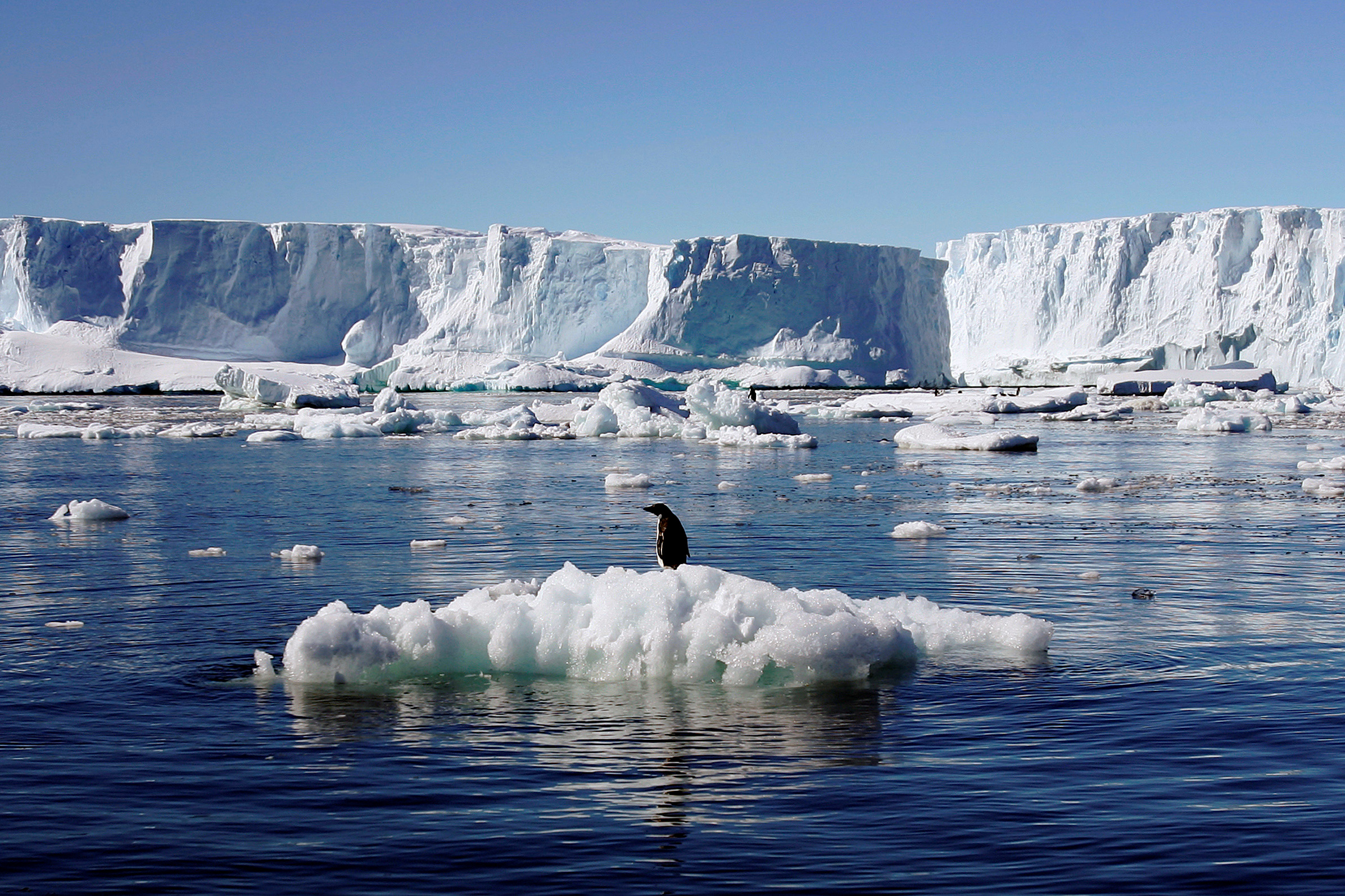
自各国在蒙特利尔达成协议、承诺到本世纪末保护和保存地球至少30%的自然以来已过去四年。生物多样性公约缔约方将于下周在亚美尼亚首都叶里温举行双年会,届时他们将面对进展参差不齐的局面。
Four years since countries agreed in Montreal to protect and conserve at least 30% of the planet’s nature by the end of the decade, parties to the Convention on Biological Diversity convening for their bi-annual meeting in Yerevan, Armenia, next week do so against a backdrop of patchy progress.
根据《自然运动》的30x30全球评估,各国政府的承诺可能使到本世纪末受保护的陆地和内陆水域比例从目前的20%提升至27%,目前已有50个国家实现了《昆明-蒙特利尔全球生物多样性框架》(GBF)设定的30%目标。
According to the Campaign for Nature’s 30x30 Global Assessment, government commitments could take the amount of land and inland waters protected to 27% by the end of the decade, from 20% today, with 50 countries having already met the 30% target set in the Kunming-Montreal Global Biodiversity Framework (GBF).
然而,海洋方面的情况远不乐观。《共同守护海洋》的配套报告显示,在实现GBF目标的 halfway 点,全球海洋仅有10%受到保护,现有承诺仅可能使这一比例在2030年前提升至约12%。
The picture at sea, however, is far less encouraging. A companion report by Together for the Ocean shows that, at the half-way point to delivering the GBF, just 10% of the world’s oceans are protected, with existing commitments only likely to raise this to around 12% by 2030.
世界自然基金会(WWF)的双年《活星球报告》也描绘了野生动物同样参差不齐的图景。积极的一面是,一些世界上最具标志性的动物种群正在恢复,老虎数量自2010年以来增长超过70%,蓝鳍金枪鱼不再被列为需高度关注的物种。
WWF’s biennial Living Planet Report showed the same mixed picture for wildlife. On the positive side, populations of some of the world’s most iconic animals are recovering, with tiger numbers up by over 70% since 2010, and bluefin tuna no longer listed as a species of major concern.
尽管如此,生物多样性指标表明,全球范围内野生动物正面临巨大衰退:在52年期间,受监测的野生动物种群平均规模下降了73%。报告指出,这种程度的崩溃仅靠保护措施无法逆转。
Nevertheless, biodiversity indicators point to a vast decline on a global scale, with a 73% drop in the average size of monitored wildlife populations over a 52-year period. It’s a level of collapse that can’t be reversed by conservation measures alone, the report says.
主要原因包括栖息地丧失、退化,以及过度开发、气候变化、污染和入侵物种等问题。但所有这些问题的根源在于食品、能源和金融体系中的更广泛系统性失灵。
Key contributors include habitat loss, degradation and issues such as overexploitation, climate change, pollution and invasive species. But all are driven by broader systemic failures across the food, energy and finance systems.
自然融资缺口预计将成为叶里温COP17议程的首要议题。目前,每年有2.6万亿美元的公共资金——接近全球GDP的2.5%——被用于耗尽土壤、污染水道和破坏生态系统的做法。根据联合国环境署的数据,大约87%的农业补贴被用于合成肥料和单一种植的创造。
The finance gap for nature is expected to top the COP17 agenda in Yerevan. Currently, $2.6 trillion a year of public money – close to 2.5% of global GDP – is given to practices that deplete soils, pollute watercourses and degrade ecosystems. According to the UNEP, around 87% of agricultural support is channelled towards synthetic fertilisers, and the creation of monocultures.
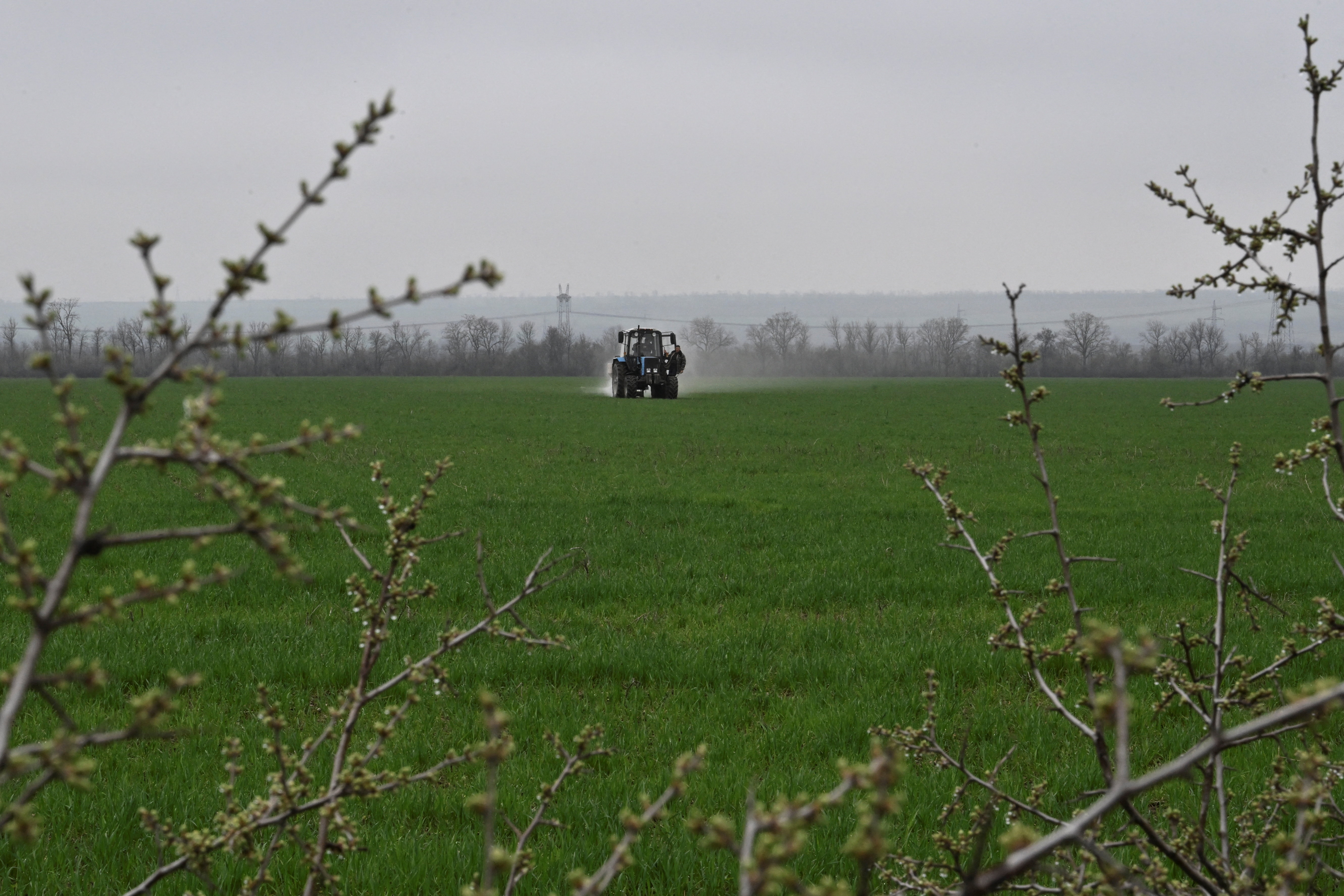
在《全球生物多样性框架》目标18中,196个国家承诺到2030年每年减少至少5000亿美元的对自然有害的激励措施,但到目前为止,只有5%的国家制定了全面的国家目标。
Under Target 18 of the GBF, 196 countries committed to reduce these nature-harming incentives by at least $500 billion annually by 2030, yet so far, only 5% have set comprehensive national targets.
由“商业为自然”和“生物多样性金融基金会”组织的一封公开信中,超过130家企业和金融机构——代表4.7万亿美元的管理资产——呼吁政府在COP17上推进激励改革。
In an open letter organised by Business for Nature and the Finance for Biodiversity Foundation, over 130 businesses and financial institutions, representing $4.7 trillion in assets under management, call on governments to drive forward with incentive reform at COP17.
签署方包括巴黎银行资产管理公司、达能和奥斯特德,他们表示,目前的金融激励措施通过使高影响产品人为地变得便宜而扭曲了市场,导致采用更可持续做法的公司承担成本负担。
Signatories include BNP Paribas Asset Management, Danone and Orsted, who write that in their current state, financial incentives distort markets by making high-impact products artificially cheap, leaving companies with more sustainable practices carrying a cost burden.
在与生产者、当地社区和土著人民合作的情况下,重新调整公共支出将确保可持续、有韧性的生产成为常态,并成为所有企业最具竞争力的选择。
Realigning public spending, in collaboration with producers, local communities and Indigenous peoples, will ensure that sustainable, resilient production becomes the norm, and the most competitive choice for all businesses.
“商业为自然”首席执行官埃娃·扎贝伊在接受采访时表示,激励改革是可用于降低全球供应链风险和解锁私人投资的最强大的经济杠杆之一,因为它不需要政府寻找新资金。“这关乎政府如何明智地分配资源……这关乎重新利用这些资金来建设和投资韧性。”激励改革还意味着利用现有的金融机制,而不是创造新的机制,因此可以更快地扩大规模。
Eva Zabey, chief executive at Business for Nature, said in an interview that incentive reform is one of the most powerful economic levers available to de-risk global supply chains and unlock private investment, as it doesn’t require governments to find new money. “It’s about governments being smart about how they allocate resources… it’s about reusing that money to build and invest in resilience.”Incentive reform also means using existing financial mechanisms, rather than creating new ones, so can be scaled more quickly.
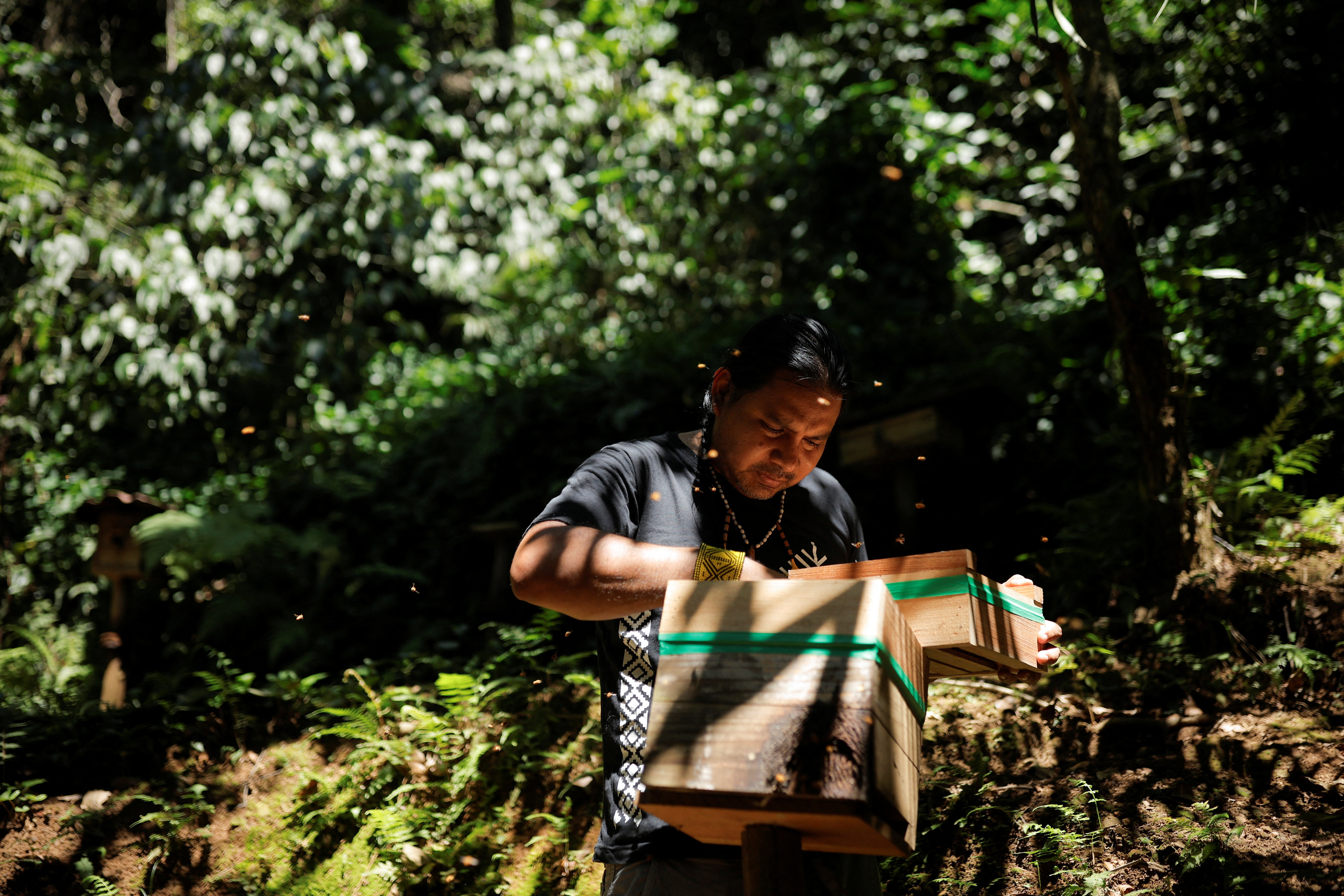
世界经济论坛森林未来联盟(Forest Future Alliance)总监吉尔·艾因霍恩(Gill Einhorn)也注意到了这一点,该联盟汇集了资助森林保护和管理的资本提供者。“通过微调现有的金融工具,我们可以为保护和修复工作解锁前所未有规模的融资,”她说道。
It’s a point picked up by Gill Einhorn, director of the Forest Future Alliance at the World Economic Forum, which brings together capital providers who fund forest conservation and stewardship. “By tweaking existing financial instruments we can unlock a scale of financing for conservation and restoration that we haven’t seen before,” she says.
艾因霍恩补充说,我们没有时间等待试点项目扩大规模,因此“利用现有机制才是解决方案”。
We don’t have time to wait for pilot projects to scale, Einhorn adds, so “drawing on existing mechanisms is the solution”.
她以巴西可持续林业管理公司BTG Pactual林地投资集团(BTG Pactual Timberland Investment Group)为例。该公司曾设立了一只为FSC(森林管理委员会)认证木材筹集资金的基金,最近又推出了一只类似的基金,其中50%分配给认证木材,另外50%旨在保护、恢复和重新造林拉丁美洲约66万英亩退化景观。
She cites Brazil’s sustainable forestry management company BTG Pactual Timberland Investment Group. The company, which had a fund to raise finance for FSC-certified wood, recently lauched a similar fund where 50% is allocated to certified wood, while 50% aims to conserve, restore and reforest approximately 660,000 acres of degraded landscapes in Latin America.
她说,这只基金超出了所有预期,最终以12.4亿美元的规模关闭,与原基金规模相同。“所以他们微调了现有的工具,为自然带来了巨大的红利。”她还提到了自然资本公司(Natural Capital),这是一个保护投资和管理集团,其使命是保护非洲一些最原始的地区,其中包括横跨50万公顷的项目。
The fund exceeded all expectations, she says, and closed at $1.24 billion, the same size as the original fund. "So they tweaked an existing instrument, with huge dividends for nature." She also points to Natural Capital, a conservation investment and management group with a mission to protect some of Africa’s wildest areas, including projects that stretch across 500,000 hectares.
她解释说,他们没有将重点仅仅放在碳汇或生物多样性额度等单一领域,而是引入了投资清洁能源和生态旅游的机会,并计划将再生农业也纳入其中。她表示,这种分层方法产出的产品是一项更安全、更多元化的投资,“在财务上看起来更有吸引力”。
Rather than just focussing on one area such as carbon or biodiversity credits, she explains, they are introducing opportunities to invest in clean energy and eco-tourism, with plans to include regenerative agriculture, too. This layering approach produces a product that is a safer, more varied investment and “looks a lot more financially interesting”, she says.
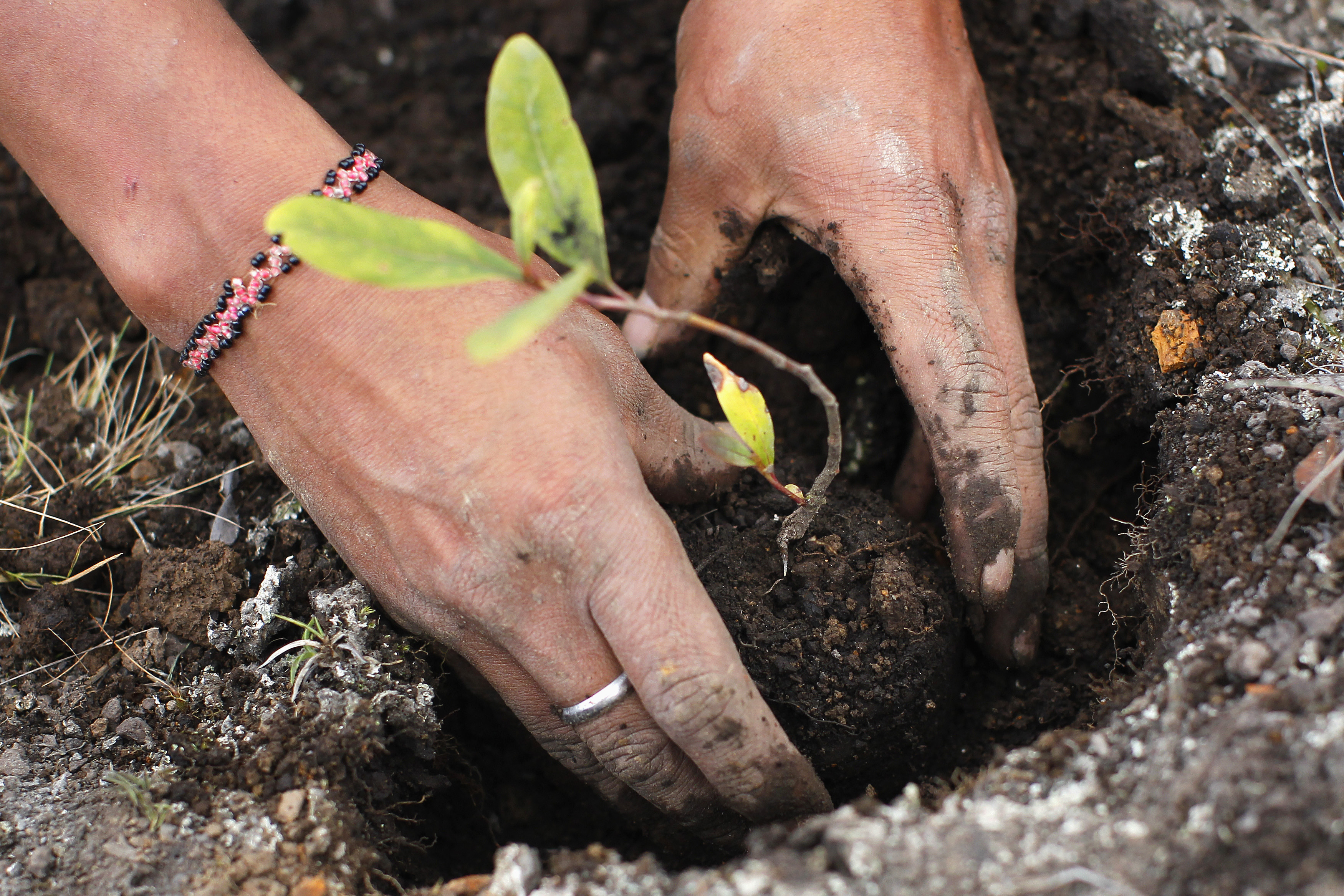
另一项即将在亚美尼亚备受瞩目的金融工具是卡利基金(Cali Fund)。该基金以两年前主办《生物多样性公约》第十六次缔约方大会(COP16)的哥伦比亚城市命名,于2025年启动,旨在使从数字序列信息(DSI)中获得商业利益的公司,能够将其资金重新投入到其产品所依赖的自然系统和社区中。
Another finance vehicle set to fall under the spotlight in Armenia is the Cali Fund. Named after the Colombian city that hosted COP16 two years ago, it was launched in 2025 as a way to allow companies that commercially benefit from digital sequence information (DSI) to reinvest in the natural systems and communities their products rely on.
人们曾希望该基金能带来数十亿美元的资本注入,但普遍缺乏认知意味着目前的数字仅为6000美元。
It was hoped that the fund would lead to billions of dollars of capitalisation, but a general lack of awareness means the current figure stands at just $6,000.
大自然保护协会(TNC)的英国政策与外部事务副主管托马斯·皮克福德(Thomas Pickford)解释说,该基金是在企业呼吁建立更简单、多边机制之后成立的。
The fund came about after businesses called for a simpler, multilateral mechanism, explains Thomas Pickford, UK policy and external affairs associate at The Nature Conservancy (TNC).
他说:“人们对该基金究竟代表什么一直存在困惑,”企业不确定这一自愿基金的范围以及谁应出资。
“There has been confusion about what the fund actually stands for,” he says, with companies unsure of the scope of the voluntary fund, and who should pay in.
他解释说,透明度方面也存在问题,这让企业望而却步。在《生物多样性公约》第十六次缔约方大会(COP16)上,各方达成一致,将把基金的50%提供给当地社区和原住民,其余部分则根据各国的生物多样性丰富度在各国之间分配。但他表示,企业需要获得关于各国政府将如何使用这笔资金的保证。
There are issues around transparency too, which are putting businesses off, he explains. At COP16 it was agreed that 50% of the fund would go to local communities and indigenous people, with the rest distributed across countries based on their biodiversity richness. But companies need assurances about how governments will spend this money, he says.
他说:“它们要对这笔资金的去向负责……(而且)它们不希望因任何资金被滥用或这些资金造成任何损害而承担责任。”
“They're responsible for where that money goes… (and) they don't want to be held liable for the misuse of any funds or if those funds cause any damages,” he says.
他希望第十七次缔约方大会(COP17)能充实细节,“使其易于理解、可预测且在执行上切实可行”。
He hopes that COP17 will flesh out the details so “that it’s understandable, it’s predictable and it’s practical to implement”.
人们也希望在亚美尼亚举行的为期两周的会谈能够催生“埃里温路径”(Yerevan Pathway),以及一份用于落实“昆蒙全球生物多样性框架”(GBF)未来四年实施工作的路线图。
There’s hope too, that the two weeks of talks in Armenia will lead to a Yerevan Pathway, and a roadmap for the next four years of implementing the GBF.
皮克福德对该计划能够成功持乐观态度。他说:“解决方案就在那里,资金也在那里。(只要有)正确的政策、正确市场框架、正确的激励措施……(我们就能)真正加速推进目标的实现。”
Pickford is optimistic it can succeed. “The solutions are out there and the finance is out there,” he says. “(With) the right policies, the right market frameworks, the right incentives… (we can) really accelerate the progress towards the targets.”