各国承诺投入数千亿美元用于自然保护和提升全球海洋保护力度的承诺,在关键联合国生物多样性会议召开前正逐渐落空。
Promises by nations to spend hundreds of billions of dollars to finance nature and increase protections for oceans around the globe are falling short ahead of a key U.N. biodiversity conference.
迈克尔·凯西 为筹集数千亿美元以保护世界海洋、森林、河流、湖泊及其他自然部分的努力,在即将召开的关键联合国生物多样性峰会之前已显不足。
MICHAEL CASEY Efforts to raise hundreds of billions of dollars to preserve the world’s oceans, forests, rivers, lakes and other parts of the natural world have fallen short ahead of a key U.N. summit on biodiversity.
各国在保护生物多样性方面的雄心勃勃表态与实际筹集到的资金之间的巨大差距,将成为亚美尼亚首都叶里温在周一启动的生物多样性大会(即COP17)的核心议题。为期近两周的会议定于10月30日结束,这是近200个《公约》缔约国评估其在2022年蒙特利尔达成的历史性协议后,对23项全球目标进展情况的机会。美国不是该公约的缔约国。
The yawning gap between the stated ambition of nations to protect biodiversity and what money has been raised will be a central topic in Yerevan, Armenia, when the biodiversity conference, known as COP17, gets started on Monday. The nearly two-week event, scheduled to end Oct. 30, is a chance for nearly 200 countries that are part of the treaty to take stock of their progress on 23 global targets after agreeing to a historic deal crafted in Montreal in 2022. The United States is not a party to the treaty.
各国在蒙特利尔承诺,到2030年保护30%被认为对生物多样性重要的陆地和水域,这一目标被称为30x30。
Countries in Montreal committed to protect 30% of land and water considered important for biodiversity by 2030, a goal known as 30x30.
他们还承诺,到2030年每年筹集2000亿美元用于生物多样性保护,并开始逐步取消或改革可能为自然带来另外5000亿美元的补贴。此外,还承诺到2025年将用于援助贫困国家的资金增加至每年200亿美元,到2030年进一步提升至每年300亿美元。
They also promised to raise $200 billion a year by 2030 for biodiversity and begin phasing out or reforming subsidies that could provide another $500 billion for nature. There were also commitments to increase to $20 billion annually by 2025 money that went to poor countries. That number would increase to $30 billion each year by 2030.
“我们进展不够快,”《生物多样性公约》执行秘书阿斯特丽德·舒马克在接受美联社采访时表示。周四发布的一份联合国进展报告显示,不到半数缔约国的生物多样性目标进展顺利,且当前承诺仅能在2030年前保护26%的陆地和12%的海域。
“We’re not moving fast enough,” convention executive secretary Astrid Schomaker told The Associated Press, before a U.N. progress report released Thursday found fewer than half of parties’ biodiversity targets are on track and that current commitments would only protect 26% of land and only 12% of sea by 2030.
经济合作与发展组织的数据显示,各国在2023年至2025年间每年筹集的资金在750亿至920亿美元之间 — — 低于2030年目标的一半。减少5000亿美元有害补贴的承诺 — — 政府对渔业和农业等行业的支持和资助 — — 进展甚微,只有少数国家明确了他们计划削减哪些补贴。
Data from the Organisation for Economic Co-operation and Development showed countries were raising between $75 billion and $92 billion each year from 2023 to 2025 — less than half the 2030 goal. Commitments to reduce $500 billion in harmful subsidies — government support and funding for sectors like fisheries and agriculture — have gained little traction, with few countries identifying which subsidies they would cut.
各国原计划在2025年前向贫困国家提供200亿美元。最新数据显示,2024年已筹集190亿美元。但外国援助的下降引发了人们对这一上升趋势能否持续的质疑。
Countries were on track to provide the $20 billion to poor countries by 2025. The latest data showed $19 billion had been raised in 2024. But a drop in foreign aid raises questions over whether the upward trend will continue.
“我们实际上是否有足够的资金来为各国所作的承诺提供融资?以及我们如何让更多资金流向有利于生物多样性的成果?”肖马凯说。“这是COP的关键问题。”全球生物多样性正遭受重创保护生物多样性的运动最初是在1992年里约地球峰会上引起全球关注的,但常常显得像是一场必输的战役。
“Do we have enough money actually to finance the commitments that countries have made? And how do we get more finance to flow toward biodiversity positive outcomes?”Schomaker said. “That is the crucial question for the COP.”Biodiversity has taken a beating worldwide The campaign to protect biodiversity, which first garnered global attention with the Rio Earth Summit in 1992, has often seemed like a losing battle.
为发展经济和支持日益增长的人口,各国将森林转变为农田,过度捕捞水域,并通过无限制的开发减少了许多动植物的栖息地。
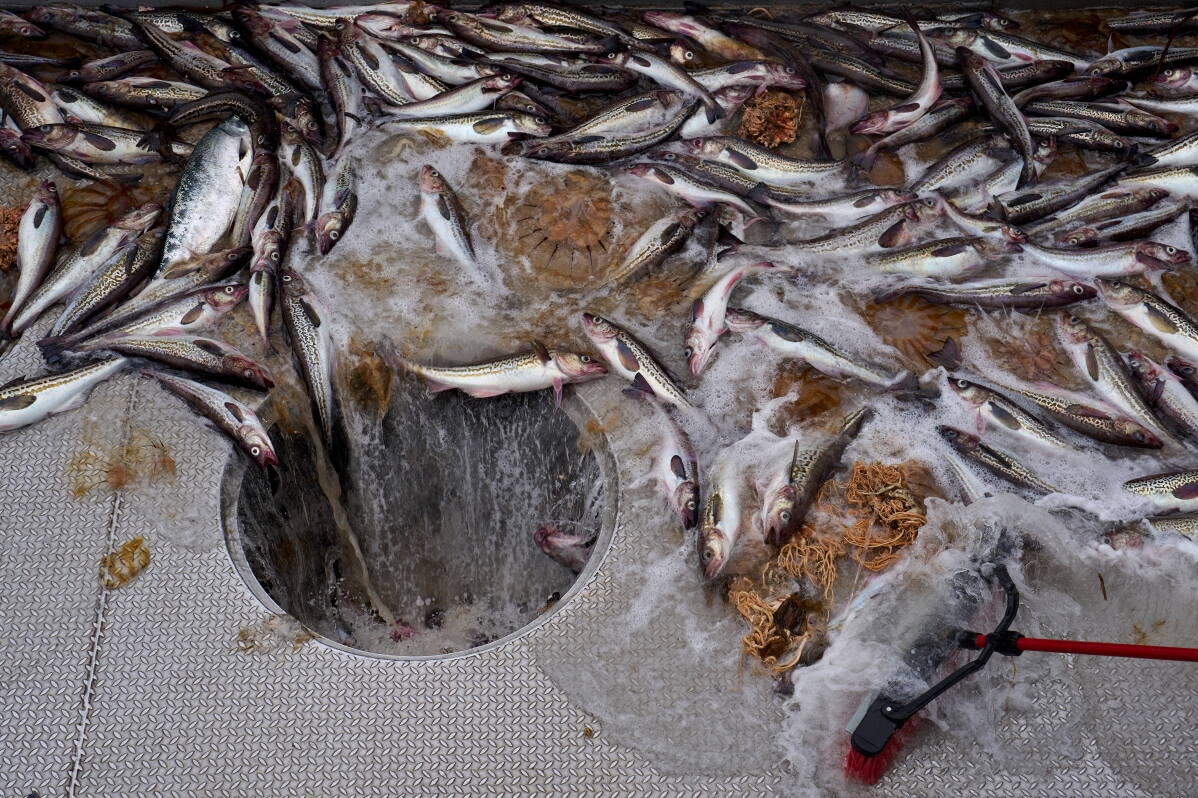
In a bid to grow their economies and support increasing populations, countries have converted forests into farm land, overfished their waters and reduced habitats of many plants and animals through unchecked development.
与此同时,气候变化导致了广泛的野火和持续的干旱,这些现象已经毁坏了生态系统。
Climate change at the same time, has created the conditions for widespread wildfires and prolonged droughts that have decimated ecosystems.
因此,根据2019年联合国报告,全球四分之三的土地已被人类“严重改变”,全球一百万种动植物面临灭绝威胁。根据世界自然基金会本月发布的《2026年地球生命力报告》,野生动物种群也出现了大幅下降,1970年至2022年间平均下降了73%。
As a result, three-quarters of the world’s land has been “severely altered” by humans and a million of the world’s plants and animals are threatened with extinction, according to a 2019 U.N. report Wildlife populations have also plummeted, according to the WWF’s 2026 Living Planet Report released this month. They have declined on average by 73% between 1970 and 2022.
“我们正在失去对人类在这个星球上至关重要的一切,”肖马凯说。
“We are losing everything that matters for us as humans on this planet,” Schomaker said.
与此同时,一些迹象表明各国正在加强对生物多样性的保护。各国已宣布超过5000项与该条约相关的倡议。
Meanwhile, there are some signs that countries are protecting more biodiversity. Countries have announced over 5,000 initiatives tied to the treaty.
由全球倡议“自然运动”牵头推动30x30目标的《自然运动》报告发现,拉丁美洲国家已承诺保护其29%的陆地,而大洋洲国家则承诺保护其41%的海域。根据野生动物保护协会的报告,去年菲律宾设立了一个禁止捕捉鳐鱼和鲨鱼的海洋保护区。2023年,柬埔寨划出近10万英亩(4万公顷)的淹没草原栖息地用于保护,而阿根廷则在2024年建立了一个国家公园。
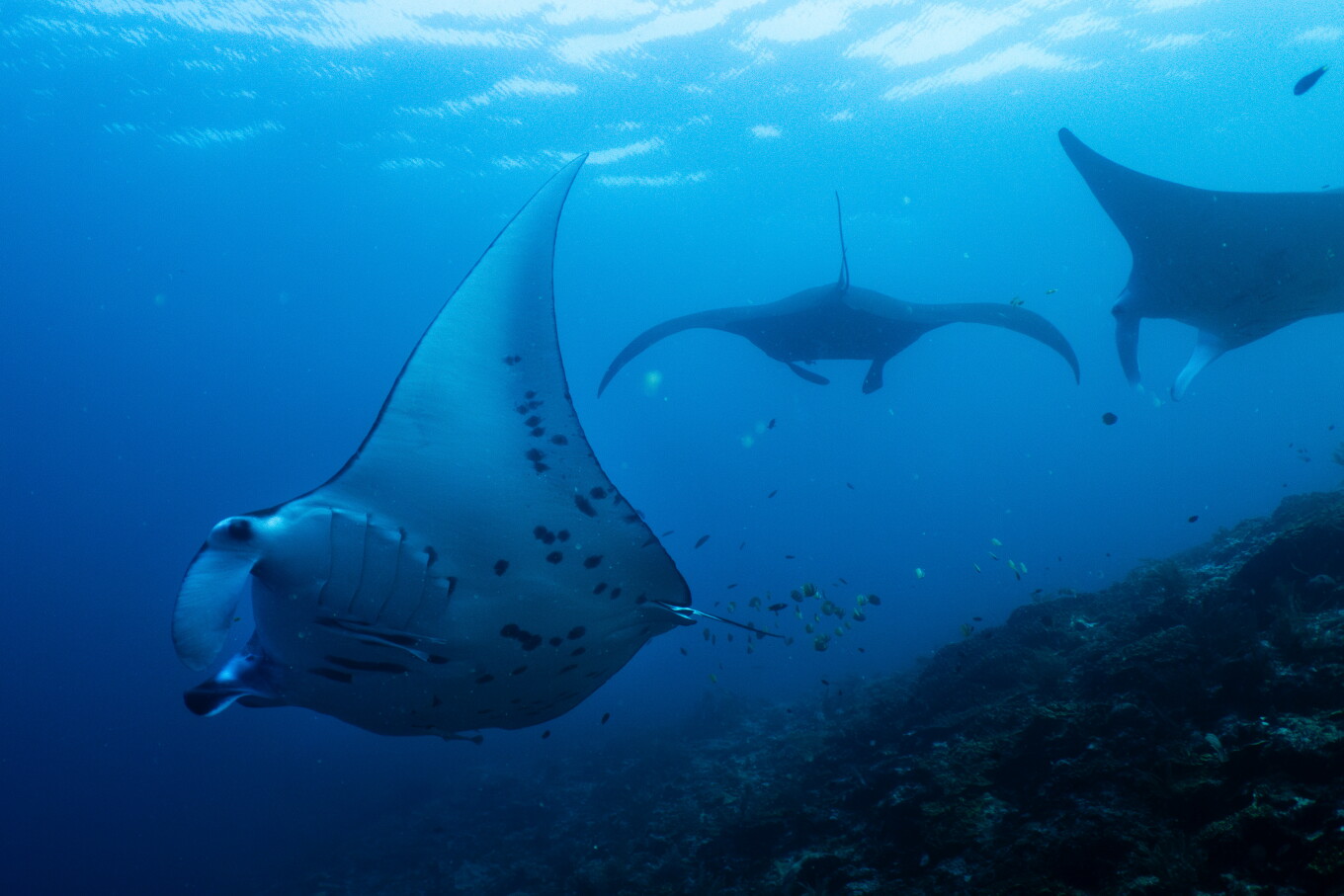
A report from the Campaign for Nature, a global initiative which has spearheaded the 30x30 effort, found that countries in Latin America have already committed to protecting 29% of their land while those in Oceania have promised to preserve 41% of their seas. Last year, the Philippines created a marine protected area where catching rays and sharks is prohibited, according to the Wildlife Conservation Society. In 2023, Cambodia set aside almost 100,00 acres (40,000 hectares) of flooded grassland habitat for protection while Argentina created a national park in 2024.
自然运动的主管布莱恩·奥唐纳德表示,我们需要保护什么以及在哪里保护已经很明确,实现这一目标的方法也很清楚。“如今所需要的是政治雄心和决心的提升,”奥唐纳德说。
Brian O’Donnell, director of the Campaign for Nature, said where and what we need to protect is clear, as are the methods to do so. “What is now needed is an upswing in political ambition and determination,” said O’Donnell.
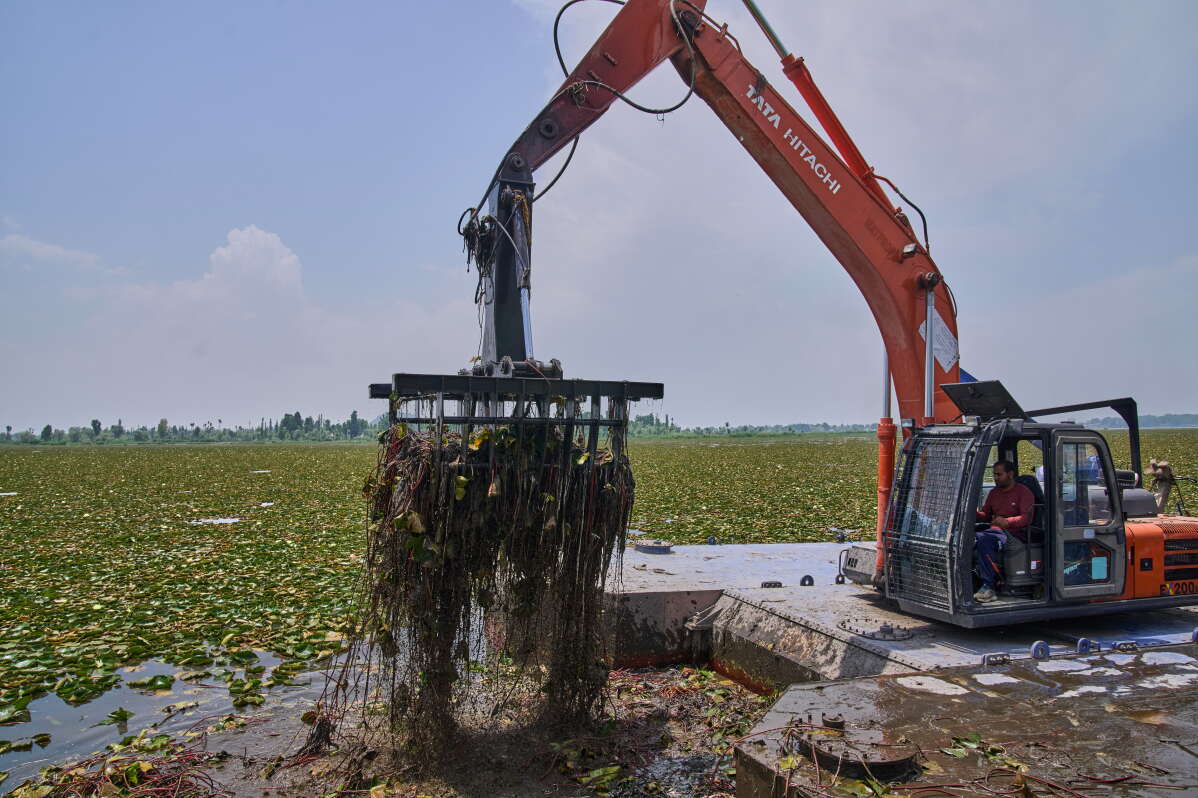
对发展中国家的援助和补贴将成为核心议题。许多预计将参加会议的代表希望各国、私营部门和慈善机构利用下周的会议宣布重大生物多样性资助倡议。
Help for developing countries and subsidies will be central topics Many expected conference attendees are hoping countries, the private sector and philanthropies use the meeting next week to announce major biodiversity funding initiatives.
野生动物保护协会国际政策副总裁苏珊·利伯曼表示,保护重要生物多样性需要资金和专业知识。
Susan Lieberman, the vice president for international policy for WCS, said that protecting important biodiversity required money and expertise.
“你不能仅仅说,好吧,地图上有一条线。你需要做科学,”她说。“你需要知道它是否在正确的位置。如果你要建立一个公园,你最好拥有公园的管理、治理和基础设施。”这在较贫穷的国家尤其如此,非洲自然资本联盟秘书处负责人多萝西·马塞克表示。该联盟是一个由非洲主导的倡议,旨在将自然融入金融决策。许多生物多样性丰富的发展中国家无法为保护和保育生物多样性提供资金,因为各国政府也在努力为医疗、教育、基础设施和公共服务提供资金。
“You can’t just say, OK, there’s a line on the map. You need to do the science,” she said. “You need to know if it’s in the right place. If you’re going to establish a park, you better have management of the park, governance, infrastructure.”That is especially true in poorer countries, according to Dorothy Maseke, head of the African Natural Capital Alliance Secretariat, an African-led initiative to integrate nature into financial decision-making. Many developing countries with significant biodiversity are not able to finance protecting and conserving it, as governments are trying to also pay to finance healthcare, education, infrastructure and public services.
刚果的生物多样性谈判代表丹尼尔·穆库比同意,如果没有足够的财政援助,“扩大受保护和保育区域”是不可能的。他 lamented( lamented 为原文,保留英文)海外发展援助,包括来自美国的援助,已经大幅下降。这导致了“执法力度削弱和生态警卫在关键栖息地巡逻”,包括该国多个联合国教科文组织世界遗产地。
Daniel Mukubi, the biodiversity negotiator for Congo, agreed it was “not possible to scale up protected and conserved areas” without sufficient financial help. He lamented that overseas development assistance, including from the United States, has dropped significantly. That has resulted in “weakened law enforcement and eco-guards patrolling critical habitat” including at several of the country’s UNESCO World Heritage sites.
“如果这些宝贵的生态系统因国际资金未能得到保障而崩溃,由此产生的经济损失将使全球市场蒙受数万亿美元的损失,”穆库比说。“因此,投资刚果盆地不是一项支出。这是西方可以购买的最具成本效益的保险政策。”另一个预计将成为焦点的话题是如何让政府减少估计达7.3万亿美元的补贴,并将这笔资金转向自然。根据“自然运动”(Campaign for Nature),这一数额是2023年投入自然基础解决方案金额的约30倍。
“If these valuable ecosystems collapse because international funding fails to secure them, the resulting economic damages will cost the global market tens of trillions of dollars,” Mukubi said. “So, investing in the Congo basin is not an expenditure. It is the most cost-effective insurance policy the West can buy.”Another topic expected to be big is how to get governments to reduce an estimated $7.3 trillion in subsidies and redirect that money into nature. That is about 30 times more than what was invested in nature-based solutions in 2023, according to the Campaign for Nature.
“每年,数万亿美元投入到损害自然的补贴中,而保护自然的资金远远不足,”保护国际组织执行主任帕特里夏·苏里塔在一份声明中说。“在继续为导致森林砍伐、过度捕捞、污染等活动提供资金的同时,我们无法扭转生物多样性丧失。”
“Every year, trillions of dollars go into subsidies that harm nature, even as funding to protect it falls far short of what’s needed,” Patricia Zurita, Conservation International’s executive director, said in a statement. “We can’t reverse biodiversity loss while continuing to finance the activities that drive deforestation, overfishing, pollution and more.